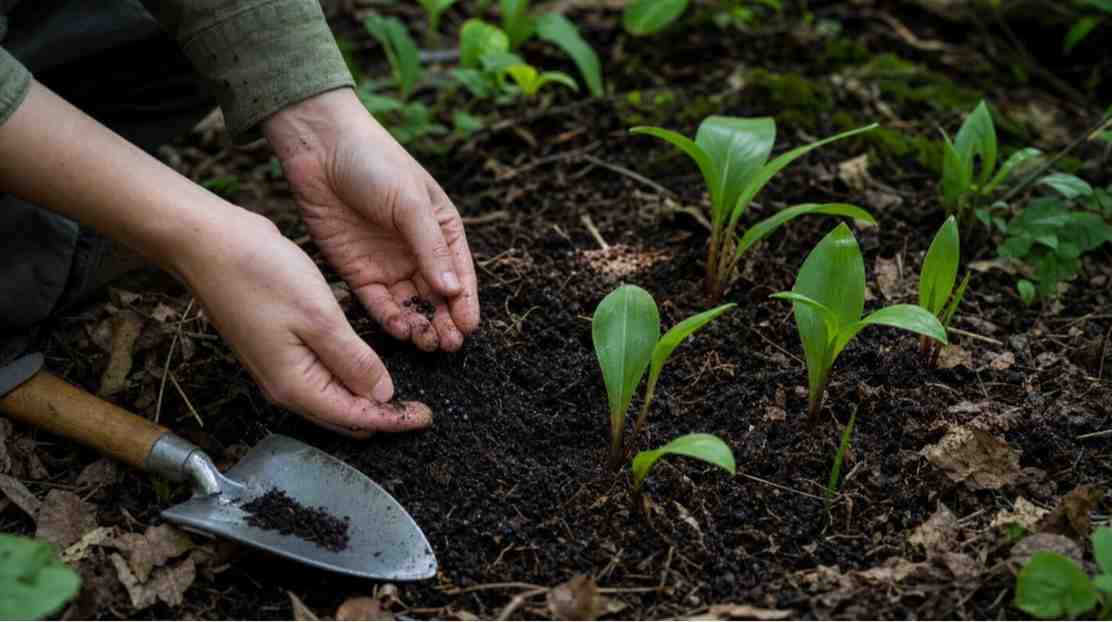
Healthy woodland growth starts with how to grow ramps from seed using moist soil, shade, and proper germination care.
How to Grow Ramps from Seed
Growing ramps at home becomes easier when the soil, shade, and moisture conditions are right. Many gardeners search for how to grow ramps from seed because ramps are rare, expensive, and slow growing. With proper care and patience, these woodland plants can grow successfully for many years in the same location.
Quick Steps for How to Grow Ramps from Seed
| Step | Action | Purpose |
|---|---|---|
| 1 | Choose shaded location | Protects seeds from drying |
| 2 | Prepare rich organic soil | Supports root growth |
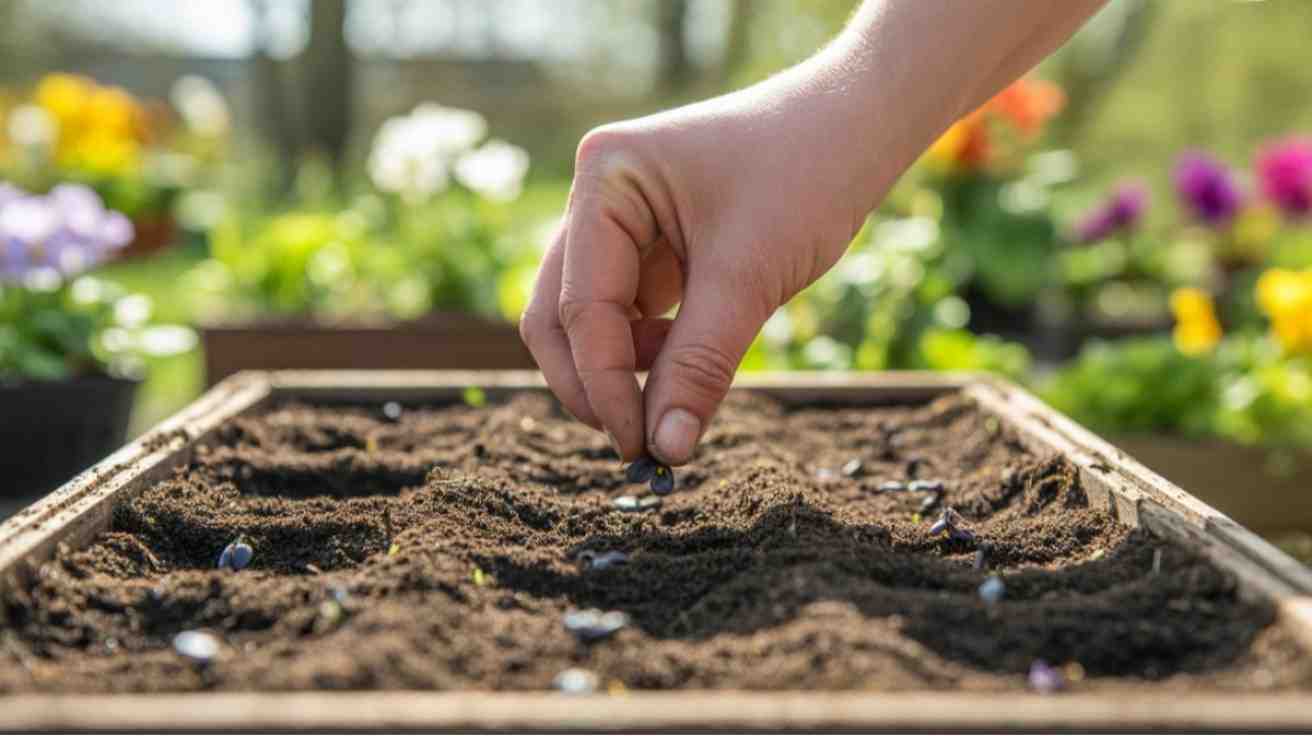
| 3 | Sow ramp seeds lightly | Improves germination |
| 4 | Cover with leaf mulch | Maintains moisture |
| 5 | Keep soil consistently moist | Supports healthy seedlings |
What Are Ramps and Why Grow Them
Ramps are wild perennial plants also called wild leeks. They belong to the onion family and produce a mild garlic-onion flavor. Many gardeners interested in how to grow wild leeks prefer ramps because they return every year once established.
These plants grow naturally in forest environments with moist woodland soil and heavy organic matter. Growing ramps at home gives gardeners access to fresh edible leaves without relying on seasonal markets.
Benefits of Growing Ramps
- Perennial woodland plant
- Suitable for shaded gardens
- Low maintenance after establishment
- Natural addition to forest garden plants
- Produces edible leaves and bulbs
Best Conditions for How to Grow Ramps from Seed
Successful ramp seed germination depends heavily on environmental conditions. Understanding the natural habitat of ramps helps recreate the correct setup at home.
Ramps grow best in:
- Cool temperatures
- Partial or full shade
- Moist woodland soil
- Rich humus soil
- Organic leaf compost
Direct sunlight dries the soil too quickly and slows growth. Natural forest-style settings help maintain consistent soil moisture levels.
Growing Condition
| Growing Factor | Ideal Condition | Effect on Ramp Growth |
|---|---|---|
| Sunlight | Partial to full shade | Protects moisture levels |
| Soil Type | Rich organic soil | Supports healthy roots |
| Moisture | Consistently moist | Improves germination |
| Temperature | Cool environment | Supports dormancy cycle |
Balanced moisture, shade, and soil improve healthy ramp growth from seed.
When to Plant Ramp Seeds
Timing matters when learning how to grow ramps from seed. Ramp seeds require both warm and cold periods before germination begins.
The best planting time is:
- Late summer
- Early fall
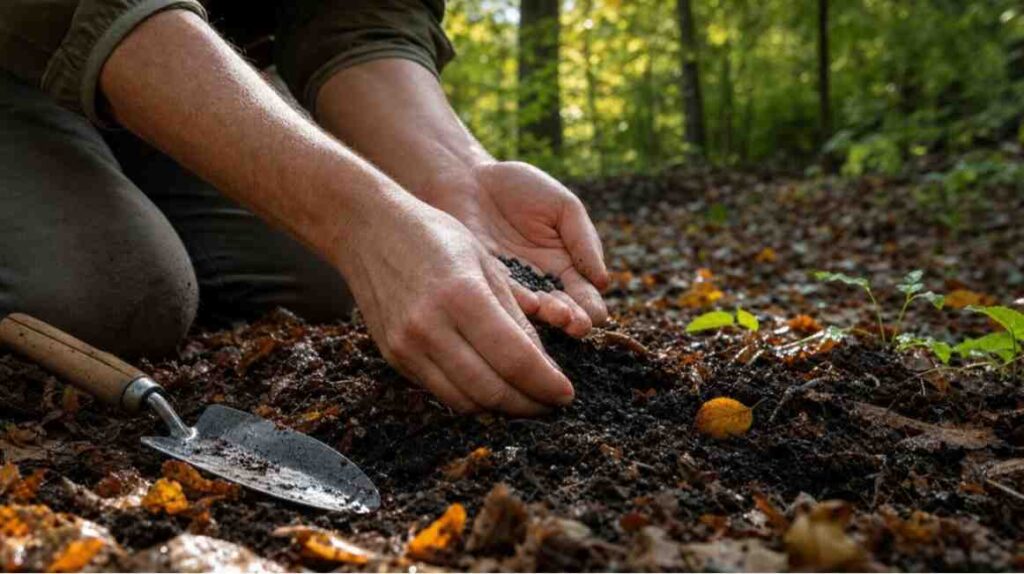
Seeds planted during this period experience natural seasonal temperature changes outdoors. This process improves ramp seed germination naturally.
Why Ramp Seeds Germinate Slowly
Ramp seeds contain a natural dormancy cycle. Many beginners think seeds failed, but germination may take several months.
Common reasons for delayed growth:
- Dry soil
- Warm winter conditions
- Poor moisture retention
- Too much sunlight
Patience is necessary because ramps grow much slower than common garden vegetables.
Materials Needed for How to Grow Ramps from Seed
Starting ramps requires only a few basic gardening materials.
Materials
| Material | Purpose |
|---|---|
| Ramp seeds | Plant propagation |
| Leaf compost | Adds organic matter |
| Moist soil | Supports germination |
| Leaf mulch | Retains moisture |
| Shade-covered area | Protects seedlings |
These materials help create natural woodland gardening conditions.
Step-by-Step Process for How to Grow Ramps from Seed
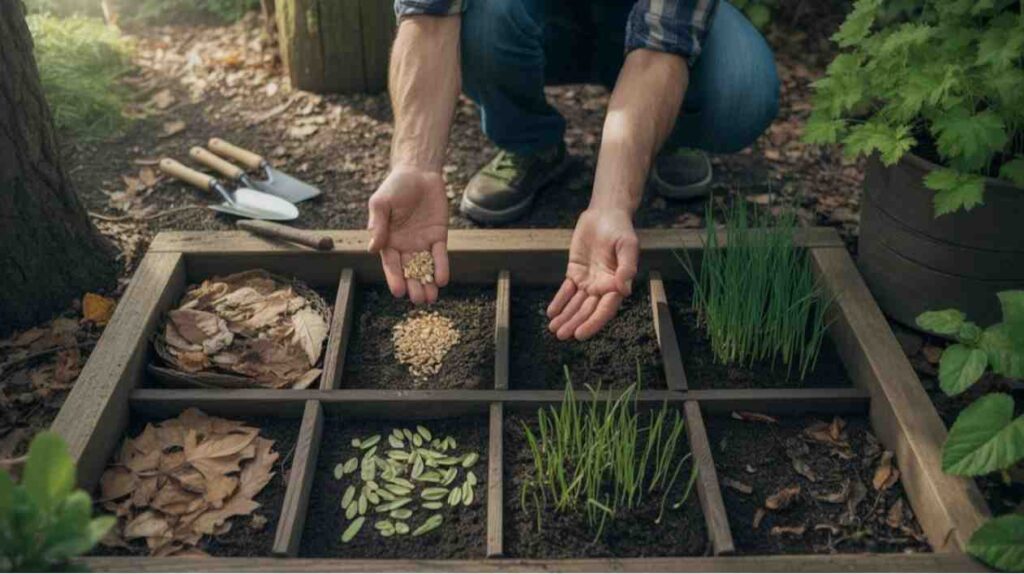
Step 1 – Select a Shaded Area
- Choose partial shade and moist woodland soil
Step 2 – Prepare Organic Soil
- Mix leaf compost and organic matter into loose soil
Step 3 – Sow Ramp Seeds
Step 4 – Apply Leaf Mulch
- Cover soil with dry leaves to retain moisture
Step 5 – Maintain Moisture
- Keep soil cool, moist, and well-drained
Ramp Growing Steps
| Step | Action | Result |
|---|---|---|
| 1 | Choose shaded spot | Protects seedlings |
| 2 | Prepare organic soil | Improves root health |
| 3 | Plant seeds lightly | Supports germination |
| 4 | Add leaf mulch | Retains moisture |
| 5 | Water carefully | Prevents dryness |
Indoor vs Outdoor Growing Methods
Both methods can work when learning how to grow ramps from seed, but each has advantages.
Indoor Growing
Indoor growing offers:
- Better moisture control
- Stable temperatures
- Easier monitoring
Indoor setups help beginners manage ramp seed germination more easily.
Outdoor Growing
Outdoor growing provides:
- Natural winter stratification
- Woodland gardening conditions
- Natural moisture cycles
Outdoor woodland-style soil helps support natural ramp growth.
Ramp Plant Care After Germination
Young ramp seedlings require consistent care after sprouting.
Basic Ramp Plant Care
- Keep soil moist
- Protect from strong sunlight
- Maintain airflow
- Avoid dry conditions
Ramp Care
| Care Factor | Recommended Method |
|---|---|
| Watering | Keep evenly moist |
| Sunlight | Partial shade only |
| Mulching | Use natural leaves |
| Airflow | Prevent overcrowding |
Good ramp plant care improves long-term growth and healthier leaves.
Common Mistakes When Learning How to Grow Ramps from Seed
Many gardeners fail because they overlook small environmental details.
Common mistakes include:
- Allowing soil to dry
- Planting seeds too deeply
- Using direct sunlight
- Overwatering
- Expecting fast germination
Ramp seeds naturally germinate slowly, so patience matters.
How Long Do Ramps Take to Grow
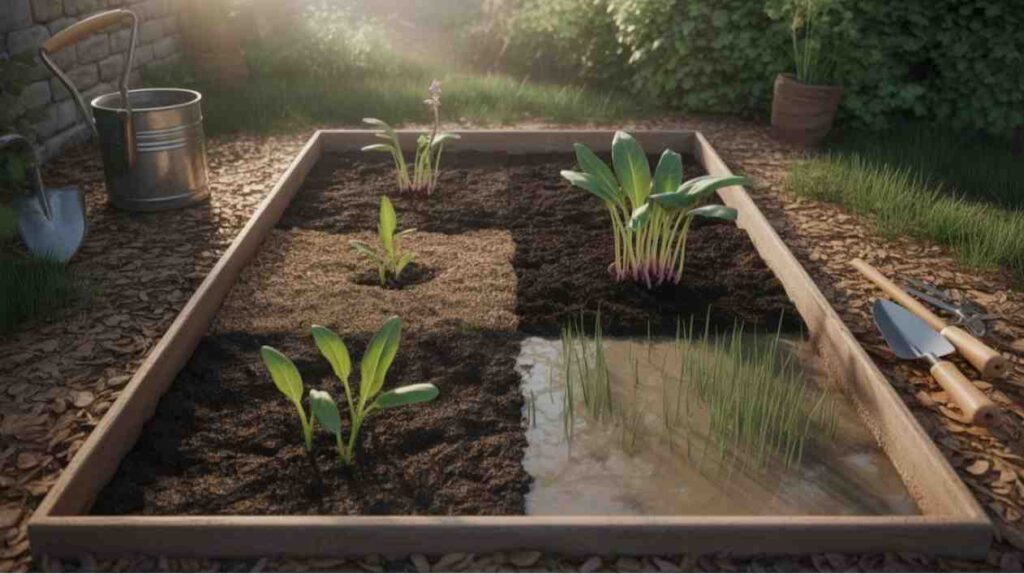
Ramps are slow-growing woodland plants.
Growth Timeline
| Growth Stage | Estimated Time |
|---|---|
| Seed dormancy | Several months |
| Germination | 6–18 months |
| Young plant growth | 2–3 years |
| Harvest maturity | 5–7 years |
Understanding this timeline helps set realistic expectations for how long do ramps take to grow.
FAQs
1. Can ramps grow indoors?
Yes, ramps can grow indoors if moisture, shade, and cool temperatures are maintained properly.
2. Why are my ramp seeds not germinating?
Ramp seeds often need warm and cold dormancy periods before sprouting begins.
3. Do ramps need full shade?
Ramps grow better in partial or full shade because direct sunlight dries the soil quickly.
4. How often should ramps be watered?
Water regularly enough to keep the soil consistently moist but not waterlogged.
5. How long does it take to grow ramps from seed?
Ramp plants may take several years before reaching full harvest size.