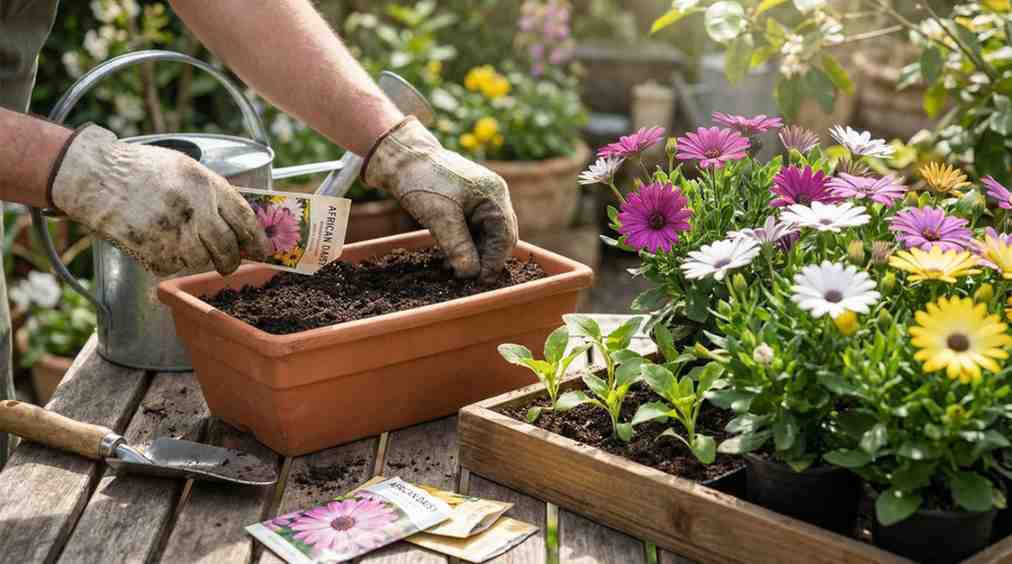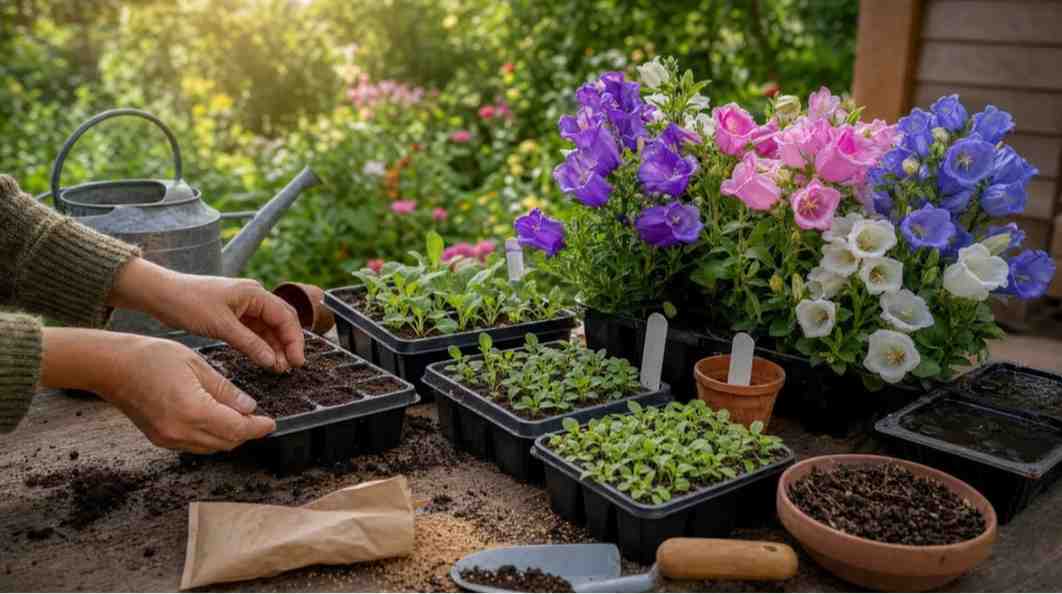
Beautiful blooms start with proper care. See how to grow canterbury bells from seeds with simple steps and avoid common mistakes.
How to Grow Canterbury Bells from Seeds
Canterbury bells are attractive biennial flowers known for their colorful bell-shaped blooms. Many gardeners search for how to grow canterbury bells from seeds because growing from seed is affordable and offers many varieties. With proper soil, moisture, and sunlight, these flowers can produce stunning displays in the garden.
Step-by-Step Process for How to Grow Canterbury Bells from Seeds
| Step | Action | Purpose |
|---|---|---|
| Step 1 | Choose quality seeds | Improve germination |
| Step 2 | Prepare loose soil | Encourage root growth |
| Step 3 | Sow seeds lightly | Prevent poor emergence |
| Step 4 | Maintain moisture | Support seedlings |
| Step 5 | Provide sunlight | Promote healthy growth |
Materials Needed for How to Grow Canterbury Bells from Seeds
Before starting, gather these supplies:
- Canterbury bells seeds
- Seed trays or small pots
- Seed-starting mix
- Organic compost
- Spray bottle
- Garden trowel
Materials
| Material | Purpose |
|---|---|
| Seeds | Plant propagation |
| Seed trays | Starting seedlings |
| Seed-starting mix | Root development |
| Spray bottle | Gentle watering |
| Organic compost | Improves fertility |
Best Conditions for How to Grow Canterbury Bells from Seeds
Healthy plants require suitable growing conditions.
- 6–8 hours of indirect sunlight
- Loose, fertile soil
- Moderate watering
- Cool temperatures
- Good airflow
Heavy soil and excessive moisture may slow growth and damage roots.
Growing Conditions
| Factor | Ideal Condition | Benefit |
|---|---|---|
| Sunlight | Partial sun | Improves flowering |
| Soil | Well-drained soil | Prevents root rot |
| Watering | Light moisture | Supports seedlings |
| Temperature | Cool weather | Better development |
When to Plant Canterbury Bells Seeds
Timing affects success when learning how to grow canterbury bells from seeds.
The best planting periods are:
- Late spring
- Early summer
- Early fall in mild climates
Cool weather helps improve seed germination naturally.
Reasons Germination Becomes Slow
- Dry soil
- Poor drainage
- Extreme heat
- Lack of sunlight
- Deep planting
Early growth is often slow, and plants require time to establish properly.

How to Grow Canterbury Bells from Seeds Step by Step
Step 1 – Prepare Containers
- Fill pots with seed-starting mix
- Use containers with drainage holes
Step 2 – Sow Seeds Properly
- Scatter seeds lightly
- Avoid deep planting
- Cover with a thin layer of soil
Step 3 – Water Gently
- Keep soil slightly moist
- Avoid waterlogging
Step 4 – Provide Sunlight
- Place containers in bright conditions
- Avoid intense afternoon heat
Step 5 – Transplant Seedlings
- Move plants outdoors after they strengthen
- Maintain proper spacing
Indoor vs Outdoor Growing Methods
Both methods work effectively.
Indoor Growing
Advantages:
- Better temperature control
- Protection from harsh weather
- Easy monitoring
- Consistent moisture
Outdoor Growing
Advantages:
- Natural sunlight
- Better airflow
- Seasonal development
- Stronger plants
Plants grown outside often adapt better to local conditions.

Watering and Fertilizing Canterbury Bells
Proper care improves flowering.
Watering
- Keep soil evenly moist
- Avoid overwatering
- Allow excess water to drain
Fertilizing
- Apply organic compost
- Use balanced fertilizer
- Feed lightly during active growth
Healthy soil encourages stronger stems and colorful blooms.
Common Mistakes When Learning How to Grow Canterbury Bells from Seeds
Many gardeners experience problems because of simple mistakes.
Common mistakes include:
- Overwatering seedlings
- Poor drainage
- Planting seeds too deeply
- Insufficient sunlight
- Heavy soil
- Overcrowding plants
- Irregular watering
Avoiding these issues helps improve plant health.
Pests and Diseases
Canterbury bells are generally easy to maintain, but some problems may occur.
Common issues include:
- Aphids
- Slugs
- Powdery mildew
- Root rot
Healthy airflow and proper watering reduce disease risks.
Blooming Season and Flower Colors
Canterbury bells produce eye-catching blooms in many shades.
Popular colors include:
- Blue
- Purple
- Pink
- White
Flowering usually occurs during late spring and summer.
Harvesting and Seed Collection
Mature plants produce seeds that can be saved for future planting.
Seed Collection Tips
- Allow flowers to dry naturally
- Collect mature seed pods
- Store seeds in a cool location
- Keep seeds dry
Proper storage helps maintain seed viability.
Canterbury Bells Growing Information
| Feature | Details |
|---|---|
| Plant Type | Biennial flower |
| Sunlight | Partial sun |
| Soil Type | Well-drained fertile soil |
| Water Needs | Moderate |
| Flower Colors | Blue, pink, purple, white |
| Bloom Time | Late spring to summer |
FAQs
1. How long do Canterbury bells take to grow from seed?
Most plants establish during the first year and bloom during the second year.
2. Do Canterbury bells need full sun?
They grow best with partial sun and cool temperatures.
3. Can I grow Canterbury bells indoors?
Indoor seed starting is possible before planting young plants outside.
4. How often should Canterbury bells be watered?
Water when the soil starts to dry, but avoid excessive moisture.
5. Are Canterbury bells perennial plants?
They are usually grown as biennials and flower during their second season.