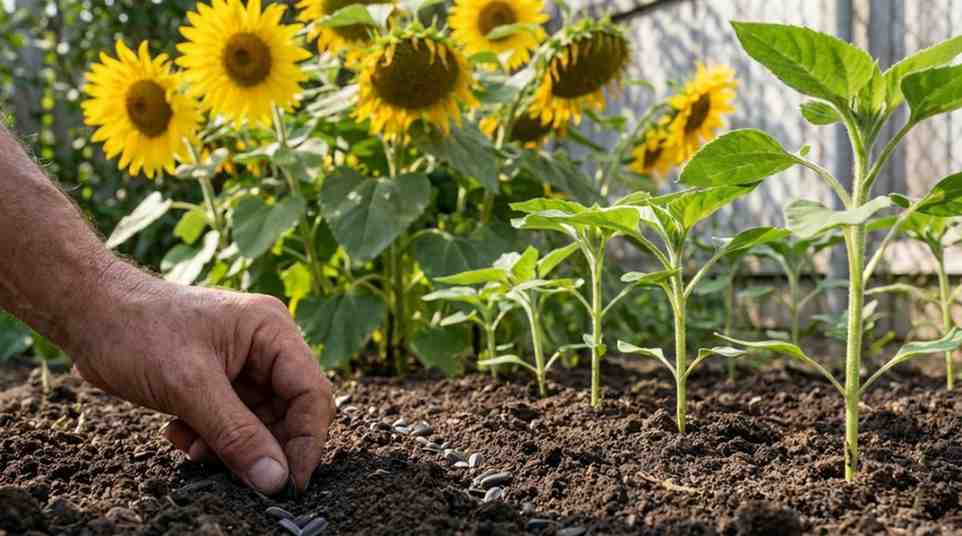
Strong yields come from how to grow black oil sunflower seeds with correct soil, spacing, watering, and timing for healthy plants.
How to Grow Black Oil Sunflower Seeds
Growing sunflowers at home feels simple, but results depend on small details. Many beginners miss soil prep, spacing, or watering balance. This guide explains how to grow black oil sunflower seeds with clear, practical steps. You’ll see what works, what fails, and how to avoid weak plants. Everything is written in a direct, easy-to-follow way.
Sunflower Planting Steps Overview
| Step | Action | Key Detail |
|---|---|---|
| 1 | Choose location | Full sunlight (6–8 hours daily) |
| 2 | Prepare soil | Well-drained, loose, fertile soil |
| 3 | Sow seeds | 1–2 inches deep |
| 4 | Spacing | 6–12 inches between plants |
| 5 | Watering | Keep soil moist, not soggy |
| 6 | Care | Protect from pests and overcrowding |
| 7 | Harvest | When flower head turns brown |
What Are Black Oil Sunflower Seeds and Why Grow Them
Black oil sunflower seeds are known for high oil content and thin outer shells. These traits make them easier to germinate and faster to grow compared to other types.
- High germination rate helps beginners succeed
- Fast growth cycle (around 70–100 days)
- Attract pollinators like bees and butterflies
- Useful for bird feed and oil production
When learning how to grow black oil sunflower seeds, it becomes clear why they are widely used in home gardening. They don’t require complex care and adapt well to different conditions.
For anyone interested in growing sunflowers at home, this variety gives consistent results with minimal effort.
Ideal Conditions to Grow Black Oil Sunflower Seeds
Understanding the right environment is essential for strong growth.
Sunlight Requirements
- Full sun exposure is necessary
- Minimum 6–8 hours daily sunlight
- Weak light leads to thin stems and small flowers
Soil Requirements
- Well-drained soil is critical
- Loamy soil works best
- Avoid compact or waterlogged soil
Temperature Conditions
- Ideal range: 18°C to 30°C
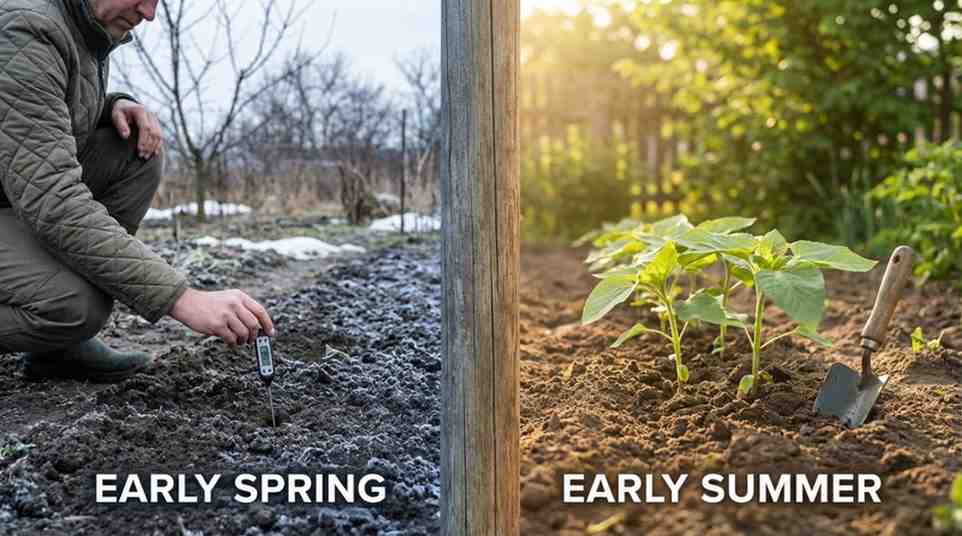
- Soil should be warm before planting
- Cold soil slows germination
When focusing on how to grow black oil sunflower seeds, these three factors directly affect plant strength and yield.
When to Plant Black Oil Sunflower Seeds
Timing plays a major role in success.
- Plant after the last frost
- Soil temperature should be at least 10°C
- Spring is the best season in most regions
Indoor vs Outdoor Planting
- Outdoor planting is more common
- Indoor sowing works in colder climates
Correct timing improves the success rate when practicing how to grow black oil sunflower seeds.
How to Grow Black Oil Sunflower Seeds Step by Step
Soil Preparation
- Loosen soil to improve root growth
- Mix compost for nutrients
Planting Process
- Sow seeds 1–2 inches deep
- Cover lightly with soil
- Press gently to secure seeds
Spacing
- Keep 6–12 inches distance
- Prevent overcrowding
Watering After Planting
- Water immediately after sowing
- Maintain moist soil, not wet
Following these steps ensures a strong start when learning how to grow black oil sunflower seeds.
Watering and Fertilizing Guide
Watering Schedule
| Growth Stage | Watering Frequency | Important Point |
|---|---|---|
| Seedling | Daily light watering | Soil should stay moist |
| Growing plant | 2–3 times per week | Deep watering preferred |
| Mature plant | Less frequent | Avoid overwatering |
Fertilizing Tips
- Use organic compost
- Avoid excess nitrogen
- Balanced nutrients support flower growth
Proper watering control is key in how to grow black oil sunflower seeds successfully.
Sunflower Plant Care and Maintenance
Thinning Seedlings
- Remove weak plants
- Allow space for healthy growth
Support for Tall Plants
- Use stakes if plants bend
- Protect from strong winds
Pest Protection
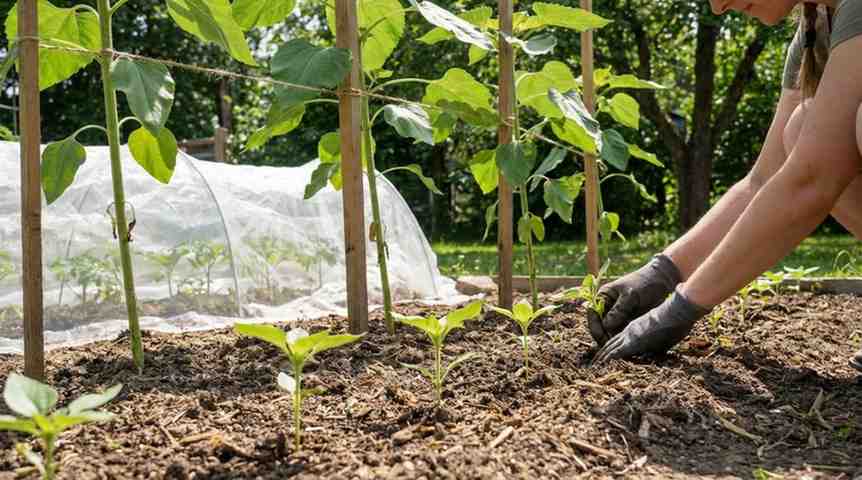
- Birds eat seeds early
- Use nets if needed
Air Circulation
- Proper spacing improves airflow
- Reduces disease risk
Maintenance directly impacts results when practicing how to grow black oil sunflower seeds.
Common Problems and Solutions
| Problem | Cause | Solution |
|---|---|---|
| Poor germination | Cold soil | Plant in warm conditions |
| Yellow leaves | Overwatering | Reduce water |
| Weak stems | Lack of sunlight | Increase sun exposure |
| Pest damage | Birds/insects | Use protective covering |
These issues are common when learning how to grow black oil sunflower seeds, but easy to fix.
How to Harvest Black Oil Sunflower Seeds
Harvesting at the right time is important.
Signs of Maturity
- Back of flower turns yellow to brown
- Head starts to droop
- Seeds become firm
Harvest Process
- Cut the flower head
- Hang in a dry place
- Let seeds dry completely
Storage
- Store in a cool, dry place
- Use airtight containers
Correct harvesting completes the process of how to grow black oil sunflower seeds.
Yield Improvement Guide
| Factor | Impact on Growth | Action |
|---|---|---|
| Sunlight | Strong stems | Ensure full sun |
| Spacing | Bigger flowers | Maintain distance |
| Soil quality | Better yield | Add compost |
| Water balance | Healthy roots | Avoid excess water |
FAQs
1. How long does it take to grow black oil sunflower seeds?
Around 70–100 days depending on weather and care.
2. Can I grow black oil sunflower seeds in pots?
Yes, use a large pot with proper drainage and full sunlight.
3. How often should I water sunflower plants?
Water lightly in early stages, then 2–3 times weekly.
4. Why are my sunflower seeds not sprouting?
Cold soil, overwatering, or poor seed quality may cause this.
5. Do sunflowers need fertilizer?
Yes, but small amounts of organic fertilizer work best.