Grow your garden for free with trusted ways to get seeds from swaps, libraries, and giveaways. Learn How to Get Free Seeds safely and easily today.
How to Get Free Seeds
Finding how to get free seeds can transform your gardening plan. With smart strategies, you can build a seed collection without paying. This guide shows 7 proven ways to secure seeds and grow your garden sustainably.
Quick Sources to Get Free Seeds
| Source | Where to Find | Why It’s Great |
|---|---|---|
| Seed libraries | Local libraries & community centers | Borrow, plant, and return fresh seeds for free |
| Online seed swaps | Facebook groups, Reddit, garden forums | Exchange seeds safely with real gardeners |
| Nonprofit seed banks | Botanical gardens, NGOs | Access rare & heirloom seeds without cost |
| Seed giveaways | Social media & company promos | Free starter packs mailed directly to you |
Start with Local Seed Libraries
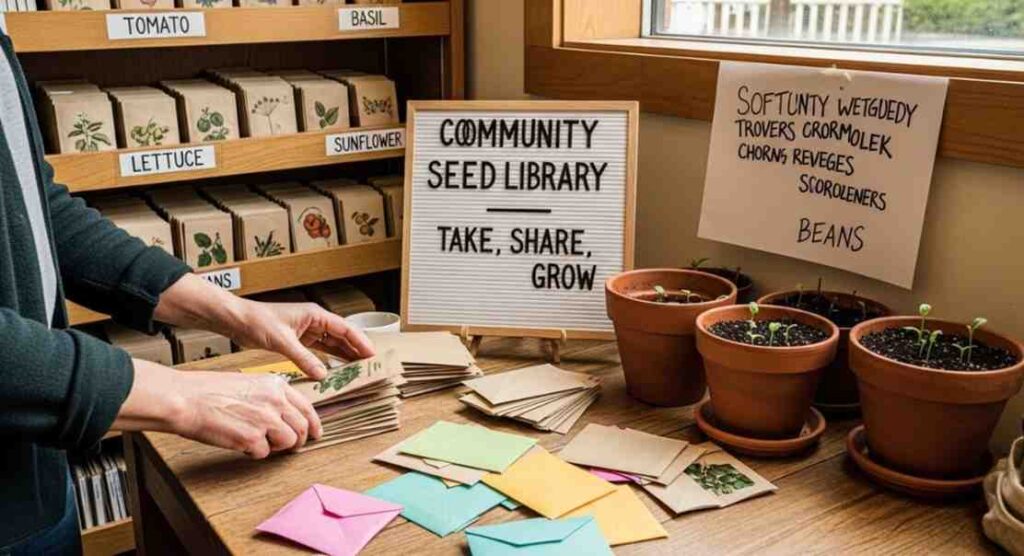
- Visit your nearest seed library many public libraries now include a seed section.
- Borrow seasonal seeds, plant them, and return saved seeds later.
- Ask librarians about community gardening programs; they often include free starter packs.
- Keep a record of what you borrowed so you can contribute back next season.
Pro tip: Local seed libraries promote biodiversity and connect you with experienced growers in your area.
Join Online Seed Exchanges
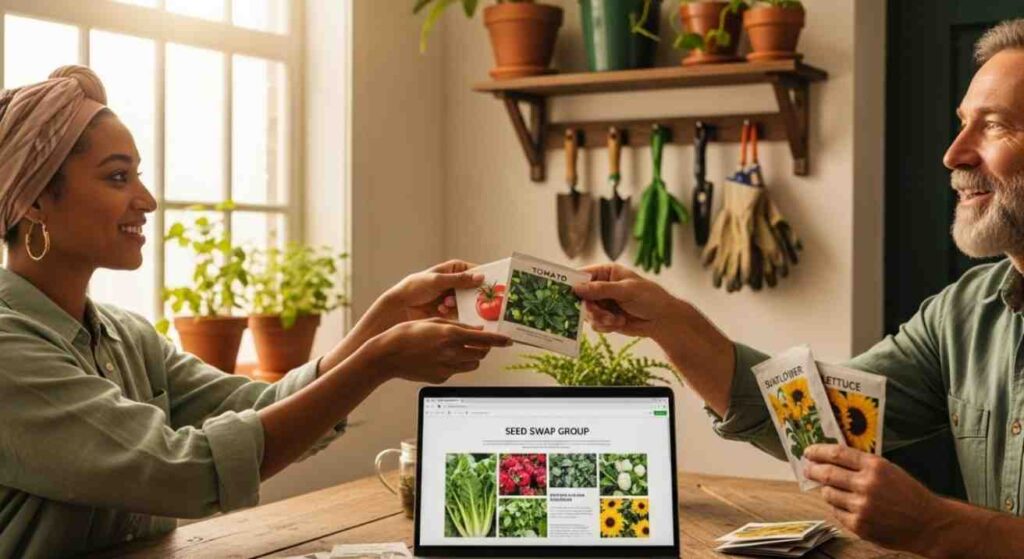
- Explore Facebook seed swap groups or garden forums like Reddit’s r/Seed-swap.
- Trade extra seeds from your harvest with others who have different varieties.
- Always verify reviews or member activity to ensure reliable exchanges.
- Use bubble mailers or labeled envelopes for safe shipping.
Why it works: Online seed swaps give you hundreds of varieties from heirlooms to hybrids without spending a cent. It’s one of the easiest ways for gardeners learning how to get free seeds consistently every year.
Check Seed Bank & Nonprofit Programs
- Many botanical gardens and environmental NGOs distribute seeds for conservation.
- Look for programs like the Seed Savers Exchange or Native Plant Trust.
- Some even provide free native wildflower kits to promote pollinator health.
- Sign up early quantities are limited and go fast.
Note: These nonprofits promote seed diversity and sustainability, making them a trusted source for gardeners exploring how to get free seeds responsibly.

Participate in Seed Giveaways
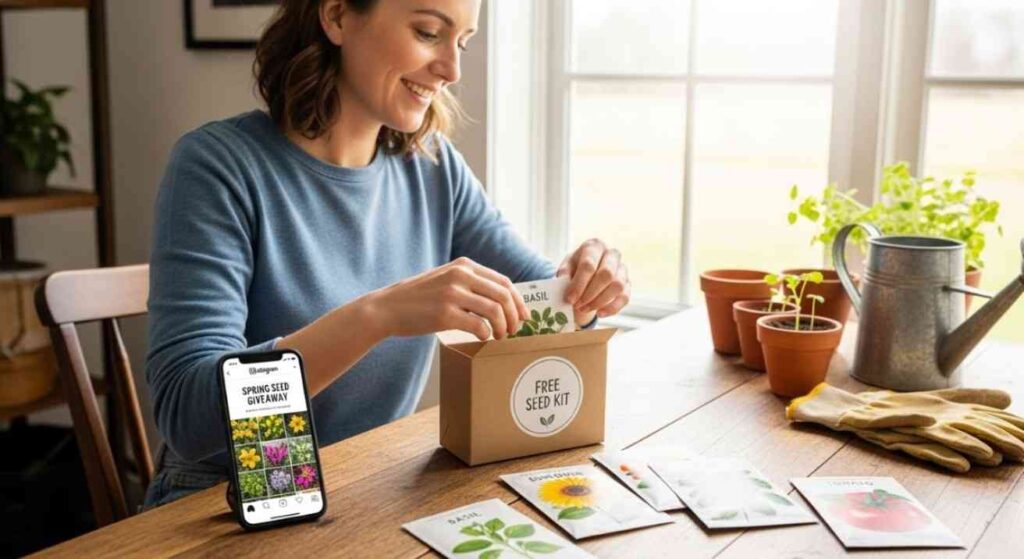
- Follow gardening influencers, blogs, and eco-brands on Instagram or Facebook.
- They often run monthly seed giveaways for new followers.
- Watch for Earth Day or Spring promotions, when companies gift seed packets.
- Subscribe to email newsletters; many brands reward new subscribers with free seed kits.
Important: Always confirm the source’s authenticity legit companies never ask for payment beyond shipping.
Save Seeds from Your Own Harvest
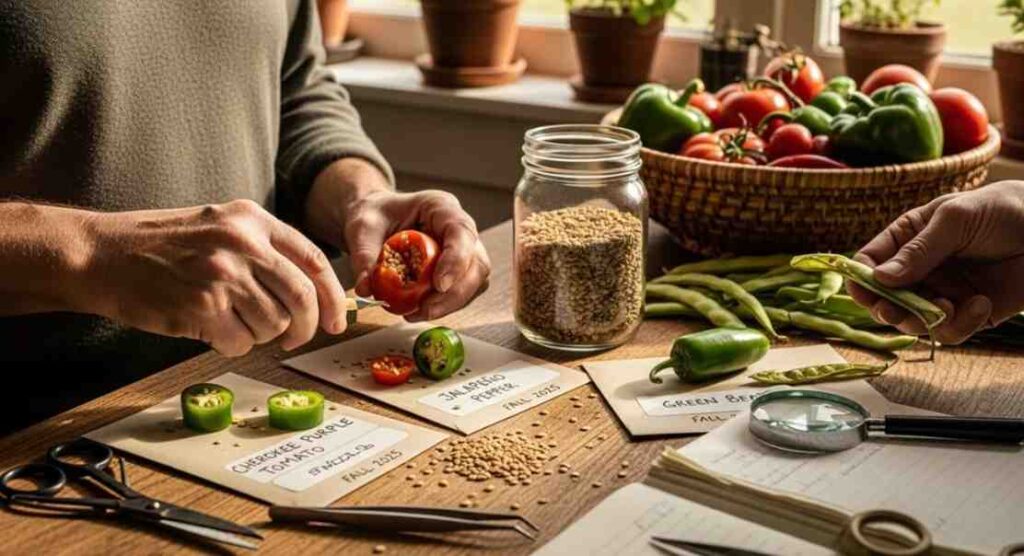
- Choose open-pollinated or heirloom plants they reproduce true to type.
- Dry seeds from ripe tomatoes, peppers, beans, or herbs.
- Store them in paper envelopes labeled with date and variety.
- Keep them in a cool, dry place to extend viability.
Benefit: Learning how to save and reuse your own seeds ensures a continuous supply no more yearly purchases. You’ll build a self-sufficient garden and share extra seeds locally.
Visit Community Events & Gardening Clubs
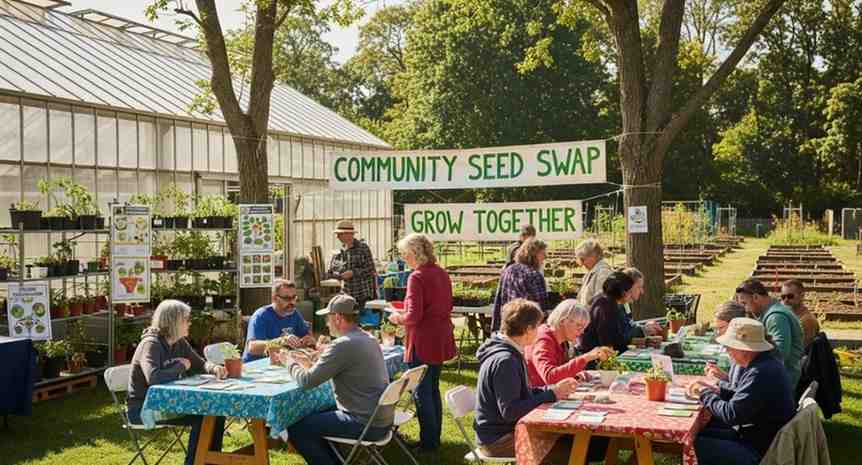
- Attend local garden fairs, workshops, and seed swap events.
- Bring any extra seeds or seedlings to exchange face-to-face with other gardeners.
- Networking here often leads to future collaborations and private exchanges.
- Some clubs even offer seasonal seed boxes free for members.
Tip: Joining these events boosts your gardening knowledge and your free seed collection.
Explore Online Free-Seed Programs
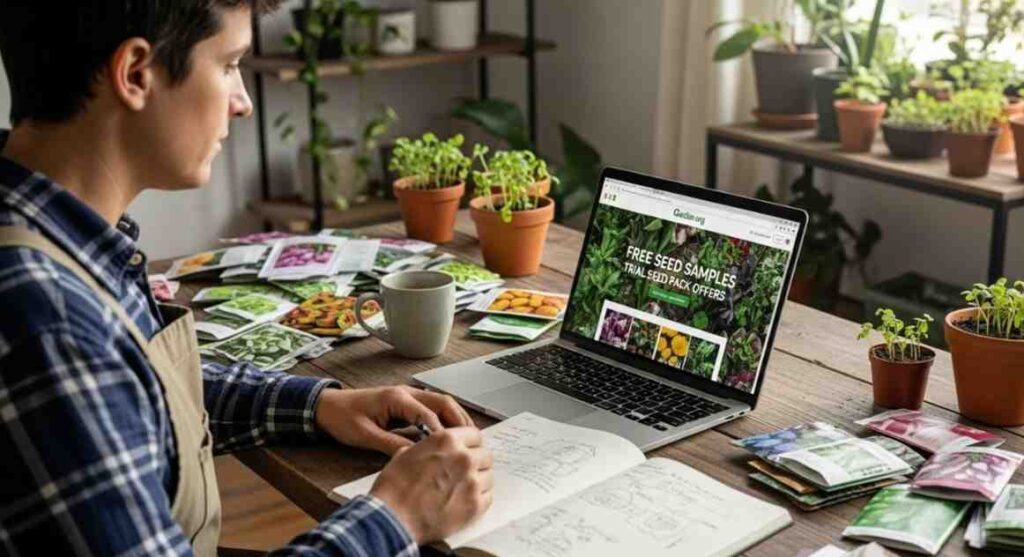
- Several companies mail trial seed packs to promote new varieties.
- Websites like Garden.org or SeedsNow.com occasionally run free-sample offers.
- Search “free seed samples + your country” for current opportunities.
- Check government or university horticulture departments they sometimes distribute free native seeds for research or pollinator projects.
Tip: Always read the terms carefully some programs may require simple surveys or feedback after planting.
FAQs
Q1. Are free seeds good quality?
Yes, most free seeds from reputable swaps, libraries, or banks are high-quality and tested for germination.
Q2. Can I sell the seeds I get for free?
No, these are meant for personal gardening and sharing, not resale.
Q3. How long do free seeds last?
Properly stored seeds last 2–5 years, depending on the plant type and humidity control.
Q4. Is it safe to request free seeds online?
Yes only use verified websites or community groups. Avoid giving personal payment info.
Q5. Which seeds are easiest to save at home?
Start with tomatoes, beans, peas, and herbs they dry easily and store well.