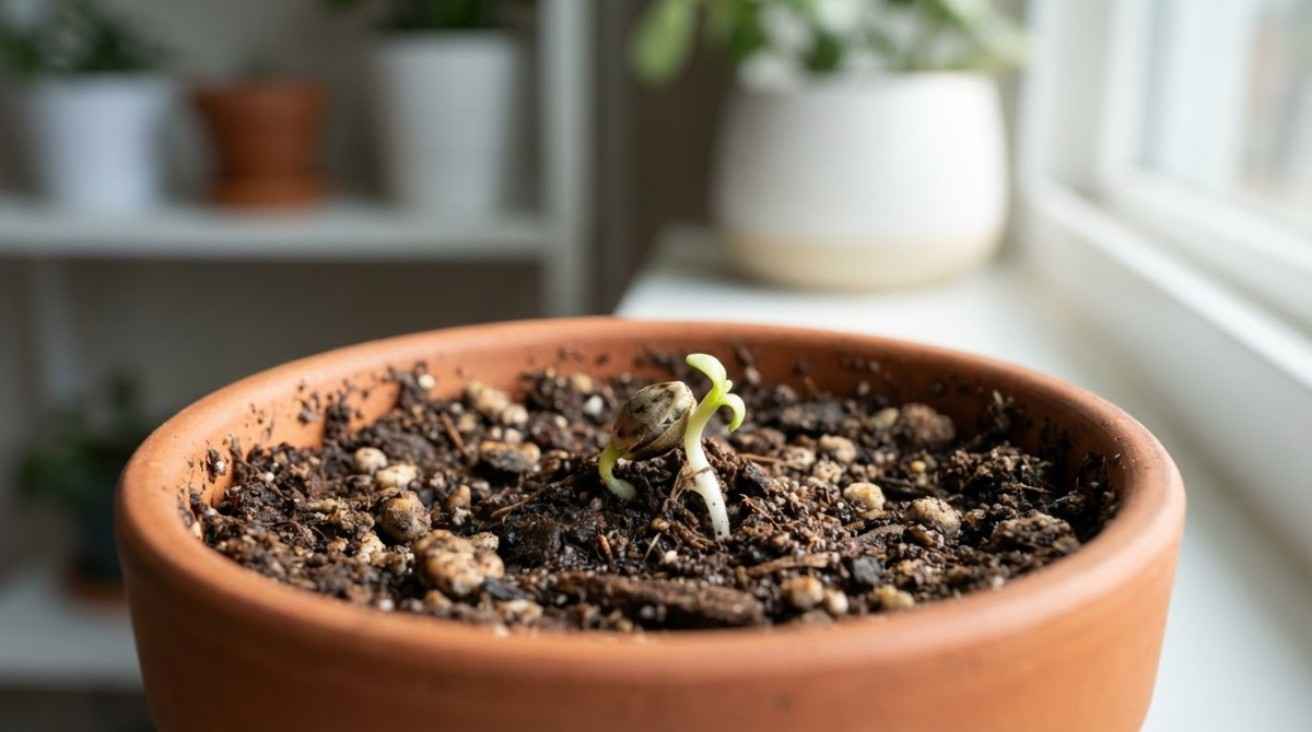
Eggplant seeds usually sprout in 7–14 days when warmth and moisture are balanced. This explains how long do eggplant seeds take to germinate accurately.
How Long Do Eggplant Seeds Take to Germinate
Growing eggplant from seed requires patience and correct timing. Many gardeners struggle because they do not clearly understand how long do eggplant seeds take to germinate under normal conditions. Eggplant seeds are heat-loving and sensitive to moisture balance, which directly affects sprouting time.
When conditions are controlled properly, germination becomes predictable and reliable. This guide explains how long do eggplant seeds take to germinate, what slows the process, and what improves success without confusion or wasted effort.
Eggplant Seed Germination Timeline Overview
Germination Time Under Different Conditions
| Growing Condition | Days to Germinate | Success Level |
|---|---|---|
| Ideal indoor warmth (80–85°F) | 7–10 days | High |
| Average soil temperature (70–75°F) | 10–14 days | Moderate |
| Cool soil below 65°F | 15–21 days | Low |
| Dry or compact soil | Often fails | Very Low |
Eggplant seeds germinate fastest in warm, evenly moist soil.
Cold or unstable conditions extend how long do eggplant seeds take to germinate.
What Happens During Eggplant Seed Germination
Eggplant seed germination follows a slow biological activation process.
- Seed absorbs moisture
- Outer shell softens
- Root tip emerges
- Shoot pushes upward
If any stage is interrupted, germination stops.
Understanding how long do eggplant seeds take to germinate depends on these internal stages completing without stress.
Soil Temperature and Its Direct Impact
Optimal Temperature Range
Eggplant seeds are tropical by nature.
- Best range: 80–85°F
- Acceptable range: 75–80°F
- Below 70°F: germination slows sharply
Low soil temperature is the most common reason eggplant seeds fail to sprout on time.
Temperature Effect
| Soil Temperature | Germination Result |
|---|---|
| 85°F | Fast and even |
| 75°F | Slower but steady |
| 65°F | Delayed |
| Below 60°F | Failure likely |
Soil warmth directly controls how long do eggplant seeds take to germinate.
Moisture Balance During Germination
Eggplant seeds need moisture—but not saturation.
- Dry soil stops activation
- Wet soil causes rot
- Even moisture supports root development
Consistent moisture shortens how long do eggplant seeds take to germinate.
Moisture Mistakes That Delay Germination
- Letting seed trays dry out
- Water pooling at the bottom
- Watering heavily after planting
Seed Depth and Placement Accuracy
Planting depth affects oxygen access.
- Ideal depth: ¼ inch
- Too deep: weak or failed sprouting
- Too shallow: drying risk
Eggplant seeds planted correctly germinate faster and more evenly.
Seed Age and Storage Quality
Viability Timeline
| Seed Age | Germination Rate |
|---|---|
| Fresh (1 year) | High |
| 2–3 years | Moderate |
| 4+ years | Low |
Old seeds increase how long do eggplant seeds take to germinate—or prevent germination entirely.
Light Requirements During Germination
Eggplant seeds do not require light to germinate.
- Light becomes important after sprouting
- Early light exposure does not speed germination
- Warmth matters more than brightness
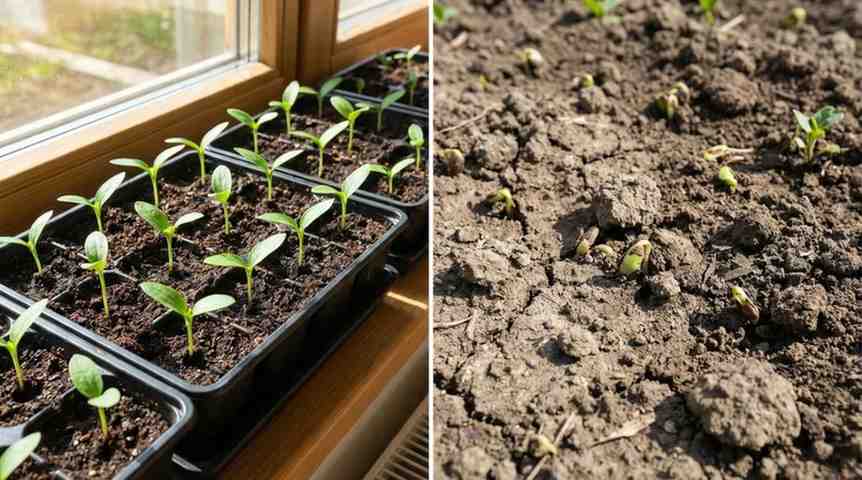
Indoor vs Outdoor Germination Differences
Indoor Germination
- Controlled temperature
- Stable moisture
- Faster sprouting
Outdoor Germination
- Temperature fluctuates
- Moisture inconsistent
- Slower results
Indoor setups reduce how long do eggplant seeds take to germinate significantly.
Germination Time by Growing Method
Method Comparison
| Method | Average Germination Time |
|---|---|
| Seed trays indoors | 7–10 days |
| Heat mat use | 6–9 days |
| Direct sow outdoors | 14–21 days |
| Cold soil planting | Unreliable |
Controlled environments always improve outcomes.
Common Reasons Eggplant Seeds Germinate Slowly
- Soil temperature below required range
- Uneven watering
- Compact soil structure
- Deep planting
- Poor seed quality
Each factor extends how long do eggplant seeds take to germinate.
How to Speed Up Eggplant Seed Germination
- Maintain 80–85°F soil temperature
- Use light, airy seed-starting mix
- Keep moisture even, not wet
- Plant at correct depth
- Use fresh seeds
These steps shorten waiting time naturally.
Signs Germination Is Successful
- White root tip appears
- Seed coat splits cleanly
- Green shoot emerges within days
- Uniform sprouting across tray
Uneven sprouting usually signals temperature or moisture problems.
Eggplant Germination Compared to Other Vegetables
| Vegetable | Germination Time |
|---|---|
| Lettuce | 3–7 days |
| Tomato | 5–10 days |
| Eggplant | 7–14 days |
| Pepper | 10–21 days |
Eggplant seeds are slower than tomatoes but faster than peppers under ideal conditions.
Environmental Stress and Germination Delay
Stress factors include:
- Sudden temperature drops
- Drafts near windows
- Overhandling trays
- Inconsistent watering
Reducing stress shortens how long do eggplant seeds take to germinate.
Why Eggplant Seeds Fail Completely
- Prolonged cold exposure
- Seed rot from excess water
- Old or improperly stored seeds
- Oxygen deprivation from compact soil
Most failures are preventable.
FAQs
1. How long do eggplant seeds take to germinate indoors?
Under stable indoor warmth, eggplant seeds usually germinate in 7–10 days.
2. How long do eggplant seeds take to germinate in cold soil?
Cold soil can extend germination to 15–21 days, or prevent it entirely.
3. How long do eggplant seeds take to germinate without heat mats?
Without heat mats, germination often takes 10–14 days if room temperature stays warm.
4. How long do eggplant seeds take to germinate in trays vs ground?
Seed trays germinate faster, usually 7–10 days, while ground planting may take 14–21 days.
5. How long do eggplant seeds take to germinate before transplanting?
Seeds germinate within 7–14 days, and seedlings are transplant-ready after 6–8 weeks.