Preserving fruit genetics depends on how to save cantaloupe seeds using proper cleaning, drying, and storage to maintain germination strength.
How to Save Cantaloupe Seeds
Saving seeds from ripe fruit preserves quality and reduces dependence on commercial supplies. Understanding how to save cantaloupe seeds protects germination potential across seasons. Seed maturity, moisture control, and storage stability determine whether seeds remain viable or fail silently. When handled correctly, cantaloupe seeds stay dormant yet alive, ready for planting. When mishandled, moisture and poor timing reduce success. This overview explains how to save cantaloupe seeds in a stable, repeatable way that protects long-term germination.
Seed-Saving Overview
| Stage | Purpose | Failure Risk if Skipped |
|---|---|---|
| Seed maturity | Ensures viable embryos | Weak germination |
| Cleaning process | Removes pulp and sugars | Mold development |
| Drying phase | Stabilizes moisture | Seed rot |
| Storage method | Maintains dormancy | Early sprouting |
Understanding Cantaloupe Seed Maturity
Correct timing defines how to save cantaloupe seeds successfully. Seeds harvested from unripe fruit fail even with perfect storage. Correct harvest timing is the foundation of how to save cantaloupe seeds without reducing seed strength.
Signs of Proper Maturity
- Fully ripened cantaloupe
- Soft flesh with strong aroma
- Dark, firm seeds
- Seeds detach easily from pulp
Immature seeds appear pale and collapse during drying.
How to Collect Cantaloupe Seeds Properly
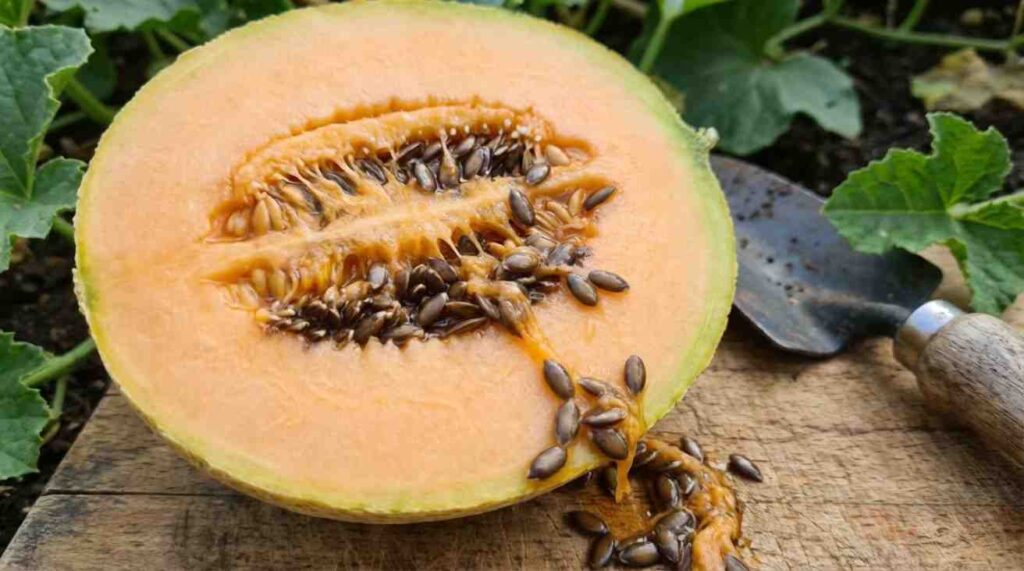
Harvesting seeds requires separation without damage. Clean handling during harvest directly supports how to save cantaloupe seeds without mechanical damage.
Collection Steps
- Cut ripe fruit lengthwise
- Scoop seed mass into a clean bowl
- Avoid cutting or crushing seeds
Seed handling at this stage determines drying success.
Cleaning Cantaloupe Seeds After Harvest
Sugars and pulp encourage mold if not removed. Thorough cleaning is a required step in how to save cantaloupe seeds for mold-free storage.
Cleaning Method
- Rinse seeds under clean water
- Rub gently to release gel coating
- Remove floating debris
Clean seeds reduce microbial growth during drying.
Fermentation vs Non-Fermentation
Fermentation is optional when learning how to save cantaloupe seeds. Choosing the right method affects how to save cantaloupe seeds while maintaining natural seed defenses.
| Method | Benefit | Risk |
|---|---|---|
| Fermentation (24–48h) | Breaks gel coating | Over-fermenting |
| Direct washing | Faster | Residual sugars |
Both methods work if drying is thorough.
How to Dry Cantaloupe Seeds Correctly
Drying controls long-term viability. Controlled drying conditions define how to save cantaloupe seeds without internal moisture loss.
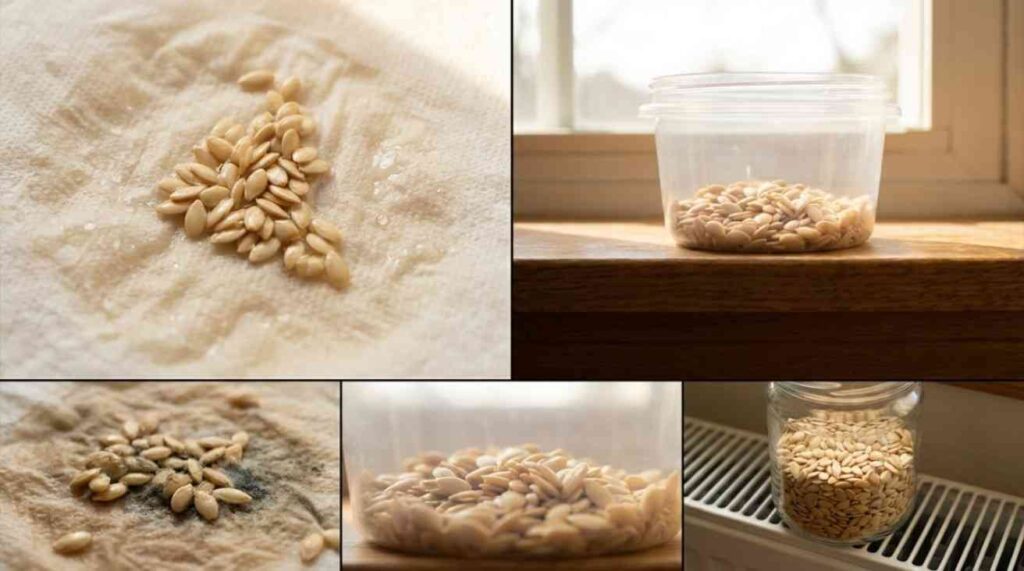
Drying Conditions
- Single layer arrangement
- Indirect airflow
- Room temperature
- No sunlight
Seeds must snap, not bend, before storage.
Drying Time Reference
Drying duration plays a decisive role in how to save cantaloupe seeds safely before storage.
| Environment | Drying Time |
|---|---|
| Low humidity room | 7–10 days |
| Moderate humidity | 10–14 days |
| High humidity | 14+ days |
How to Store Cantaloupe Seeds Safely
Storage defines the final outcome of how to save cantaloupe seeds. Storage stability determines how to save cantaloupe seeds across multiple growing seasons.
Ideal Storage Conditions
- Cool temperature
- Dark location
- Low humidity
- Stable environment
Avoid kitchens and greenhouses.
Best Containers for Cantaloupe Seed Storage
Container choice matters.
Recommended Options
- Paper envelopes
- Glass jars with desiccant
- Opaque airtight containers
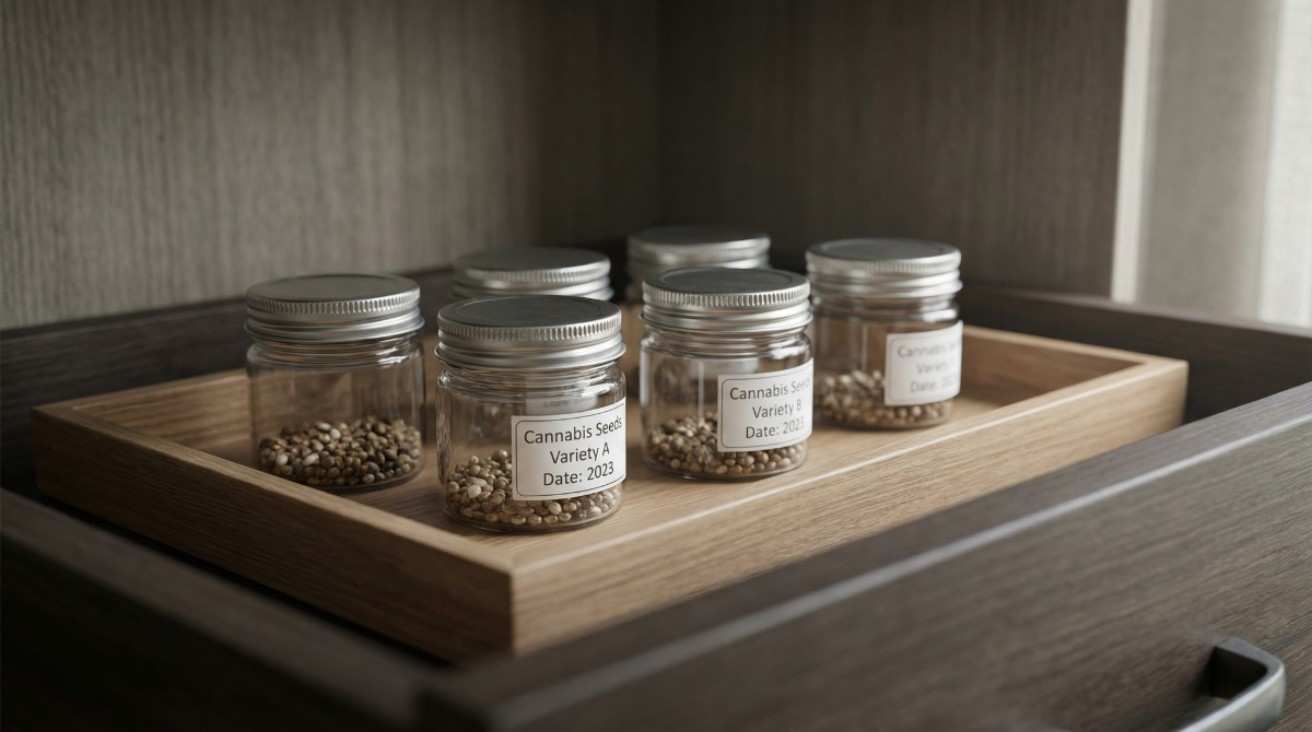
Label containers with date and variety.
Storage Lifespan Expectations
| Storage Quality | Seed Lifespan |
|---|---|
| Ideal conditions | 4–5 years |
| Warm storage | 1–2 years |
| Humid storage | Months |
Saving Cantaloupe Seeds in Humid Climates
Humidity threatens stored seeds.
Risk Control Measures
- Silica gel packets
- Extended drying time
- Monthly inspection
Moisture control determines survival.
Common Mistakes That Ruin Cantaloupe Seeds
Mistakes often go unnoticed.
Errors to Avoid
- Storing before full drying
- Ignoring humidity changes
- Using transparent containers
- Frequent opening
- Warm storage
Each mistake lowers germination potential.
Pre-Planting Viability Check
Before planting stored seeds:
- Inspect for mold
- Check firmness
- Discard cracked seeds
Poor seeds reduce planting success.
Second Storage Reference
These corrections reinforce how to save cantaloupe seeds when storage problems appear.
| Problem | Cause | Correction |
|---|---|---|
| Mold | Excess moisture | Re-dry seeds |
| Poor sprouting | Immature harvest | Improve timing |
| Clumping | Humidity | Add desiccant |
FAQs
1. How long do cantaloupe seeds remain viable?
Properly stored seeds remain viable for several years under cool, dry conditions.
2. Can seeds from store-bought cantaloupe be saved?
Seeds from ripe, non-hybrid fruit may germinate, though results vary.
3. Should cantaloupe seeds be refrigerated?
Refrigeration works if seeds are fully dry and sealed from moisture.
4. Is fermentation required when saving cantaloupe seeds?
Fermentation is optional but improves pulp removal.
5. Why do stored cantaloupe seeds mold?
Mold forms when seeds retain moisture or storage humidity fluctuates.