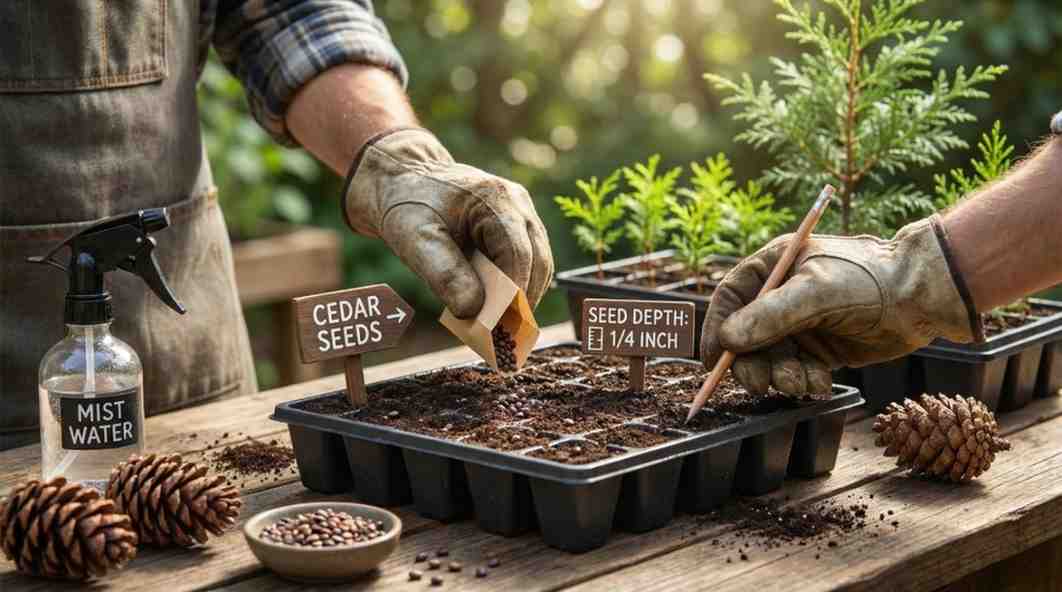
Healthy cedar trees grow from simple methods when learning how to plant cedar seeds, covering soil, depth, germination, and seedling care for strong growth.
How to Plant Cedar Seeds
Learning how to plant cedar seeds helps gardeners grow strong evergreen trees from natural seed sources. Cedar trees are valued for their long life, aromatic wood, and landscape beauty. The process of how to plant cedar seeds requires proper preparation, soil, and balanced moisture for healthy growth.
Cedar Seed Planting Steps Overview
| Step | Planting Action | Key Detail |
|---|---|---|
| 1 | Collect cedar seeds | Seeds come from mature cedar cones |
| 2 | Clean seeds | Remove debris and broken seed shells |
| 3 | Soak seeds | 12–24 hours soaking improves germination |
| 4 | Cold stratification | Refrigerate seeds 30–60 days |
| 5 | Prepare soil mix | Loose, well-drained soil works best |
| 6 | Plant seeds | Plant about ¼ inch deep |
| 7 | Water lightly | Keep soil moist but not soggy |
| 8 | Provide sunlight | Bright indirect sunlight supports growth |
| 9 | Transplant seedlings | Move plants once roots develop |
What Are Cedar Seeds
Cedar seeds are small reproductive units produced inside woody cones. Understanding seed structure helps gardeners master how to plant cedar seeds successfully.
Cedar cones develop on mature evergreen trees and gradually dry until the seeds are released. Each cone contains multiple seeds that have thin wings, allowing them to spread naturally through wind.
Typical characteristics of cedar seeds include:
- Small brown seed shells
- Winged seed structure
- Lightweight seeds designed for wind dispersal
Several cedar species can be grown from seeds:
- Atlas cedar
- Deodar cedar
- Lebanon cedar
Each species follows the same basic process of how to plant cedar seeds, although germination time may vary slightly depending on environmental conditions.
Best Time to Plant Cedar Seeds
Planting season strongly affects the success of how to plant cedar seeds. Cedar seeds naturally fall from cones during autumn, which means they experience cold winter conditions before germinating.
The most suitable planting periods include:
- Late autumn planting
- Early spring planting after stratification
- Indoor planting with controlled temperature
Environmental conditions for cedar seed germination:
- Temperature: 15–20°C
- Moist but well-drained soil
- Moderate sunlight exposure
These conditions help break seed dormancy and support healthy growth when practicing how to plant cedar seeds.
Preparing Cedar Seeds Before Planting
Seed preparation is one of the most important stages in how to plant cedar seeds.
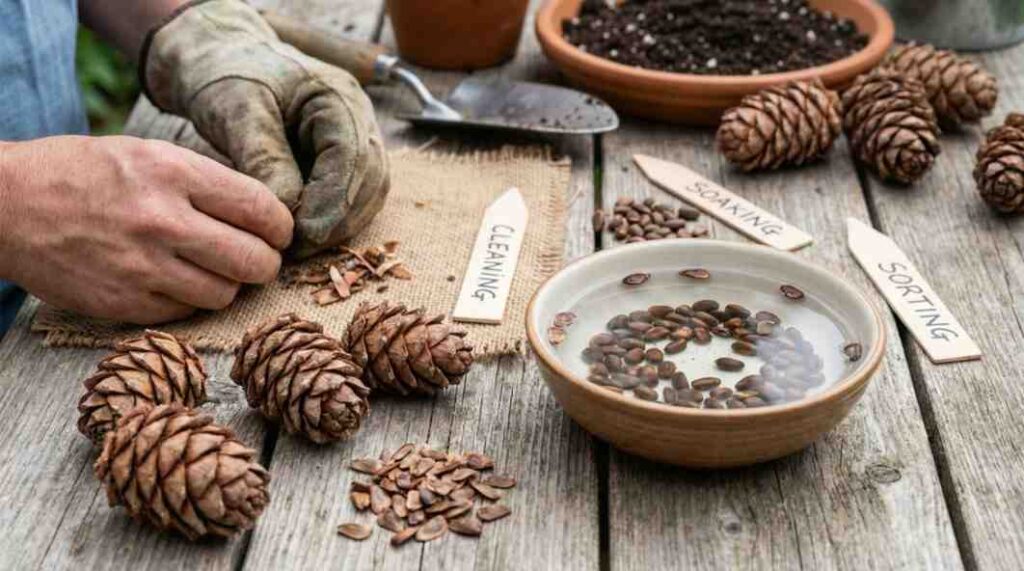
Seed Cleaning
Before planting:
- Remove cone fragments
- Separate healthy seeds
- Discard damaged seeds
Healthy seeds usually appear:
- Firm
- Uniform in color
- Free from cracks
Seed Soaking
Soaking cedar seeds softens the outer seed coat.
Steps include:
- Place seeds in clean water
- Soak seeds for 12–24 hours
- Remove floating seeds if they appear empty
Seed Viability
Good cedar seeds usually:
- Sink in water
- Have solid shells
- Show consistent size
These preparation steps increase success when following how to plant cedar seeds.
Cold Stratification Process
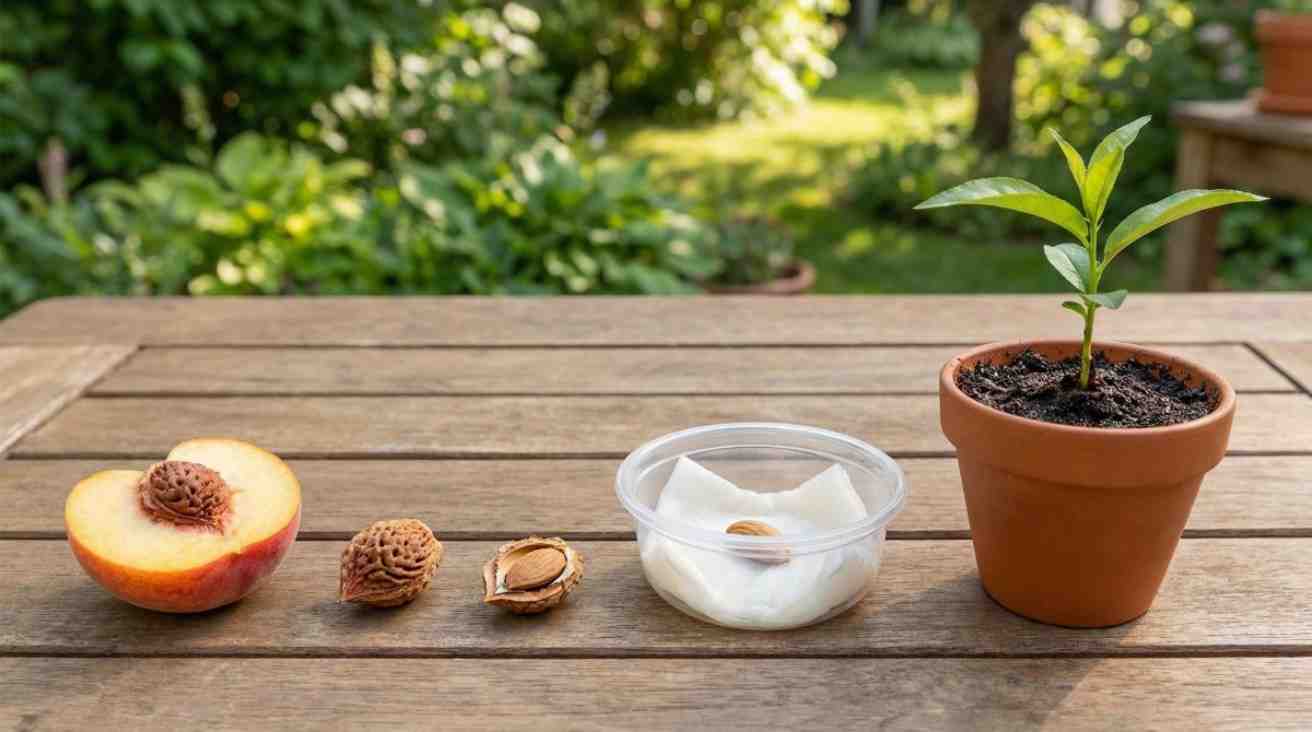
Cold stratification mimics natural winter conditions and is essential for many cedar species.
Without cold treatment, seeds may stay dormant and fail to germinate.
Refrigerator Stratification
Common stratification method:
- Mix seeds with moist sand or peat moss
- Place mixture inside sealed plastic bag
- Store inside refrigerator
Recommended temperature:
- 1–5°C
Typical duration:
- 30–60 days
Outdoor Stratification
Another approach for how to plant cedar seeds is natural stratification.
Steps include:
- Plant seeds in containers during late autumn
- Leave containers outdoors
- Winter temperatures naturally break dormancy
Soil Requirements for Cedar Seeds
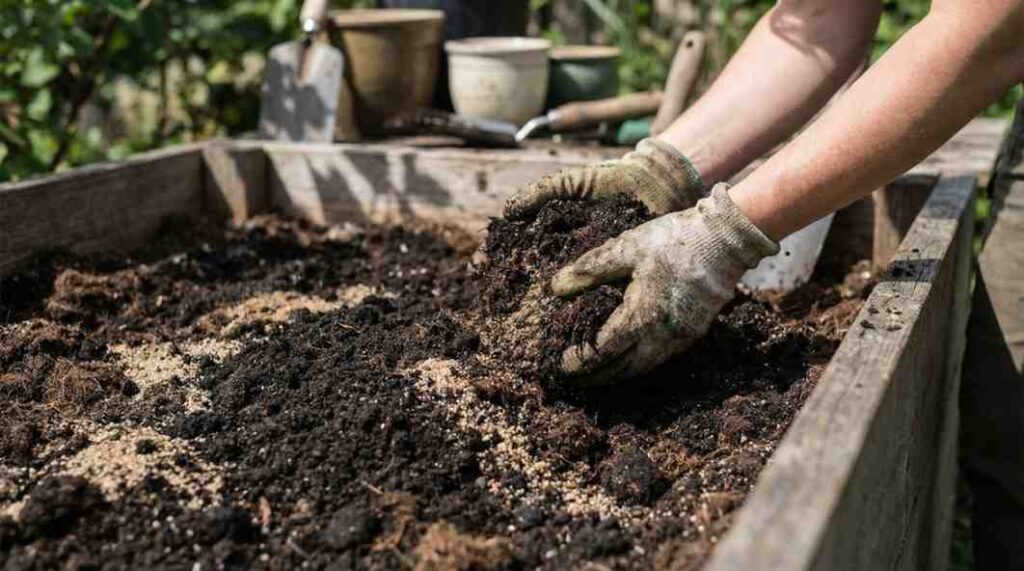
Proper soil structure plays a major role in how to plant cedar seeds.
Cedar seedlings need soil that drains easily while still holding moderate moisture.
Ideal soil features include:
- Loose structure
- Good drainage
- Moderate organic matter
Common soil mix used by gardeners:
| Soil Component | Purpose |
|---|---|
| Garden soil | Provides nutrients |
| Sand | Improves drainage |
| Compost | Supports root growth |
Avoid soils that are:
- Heavy clay
- Waterlogged
- Compact and dense
Healthy soil encourages stronger seedlings during how to plant cedar seeds.
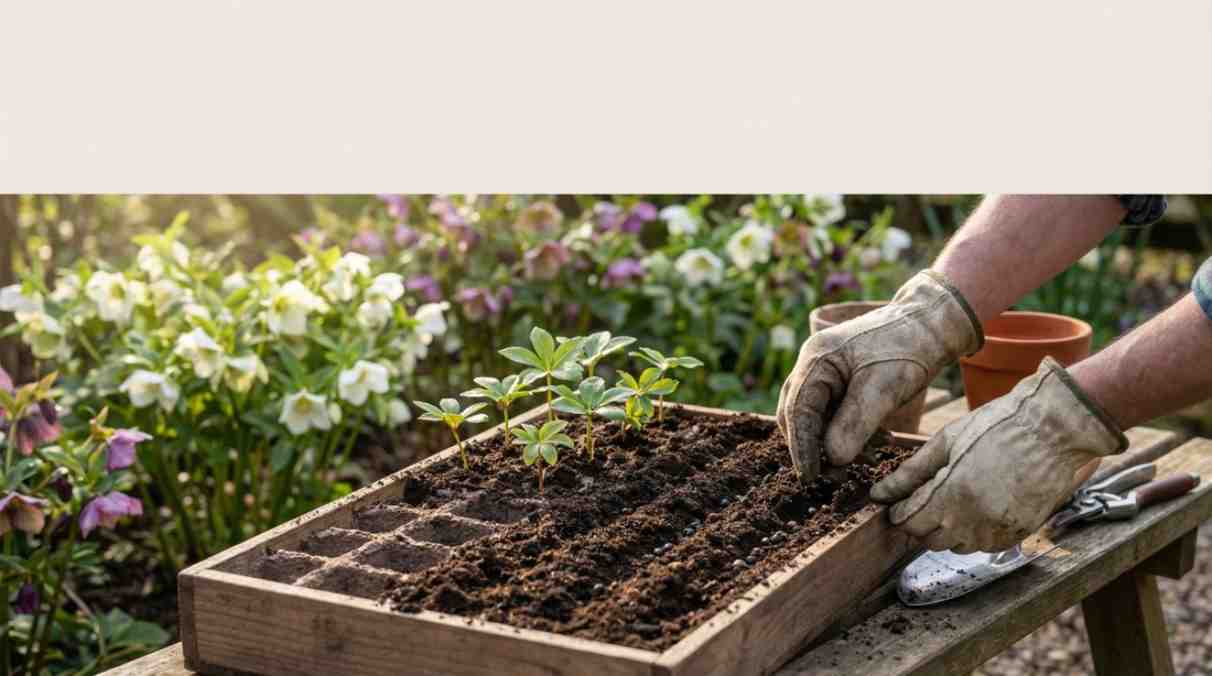
Seed Planting Depth and Spacing
Correct planting depth is critical when practicing how to plant cedar seeds.
General planting guidelines:
- Plant seeds about ¼ inch deep
- Cover lightly with soil
- Avoid deep burial
Spacing between seeds:
- 3–5 cm between seeds
Proper spacing allows roots to grow without crowding.
Cedar Seed Germination Timeline
Understanding germination stages helps improve how to plant cedar seeds.
| Stage | Estimated Time | Activity |
|---|---|---|
| Seed soaking | 1 day | Softens seed coat |
| Cold stratification | 30–60 days | Breaks dormancy |
| Germination | 30–90 days | Sprout appears |
| Seedling growth | 2–4 months | Root system develops |
Environmental factors like temperature and moisture influence this timeline.
Caring for Cedar Seedlings
Once seeds germinate, proper care becomes essential.
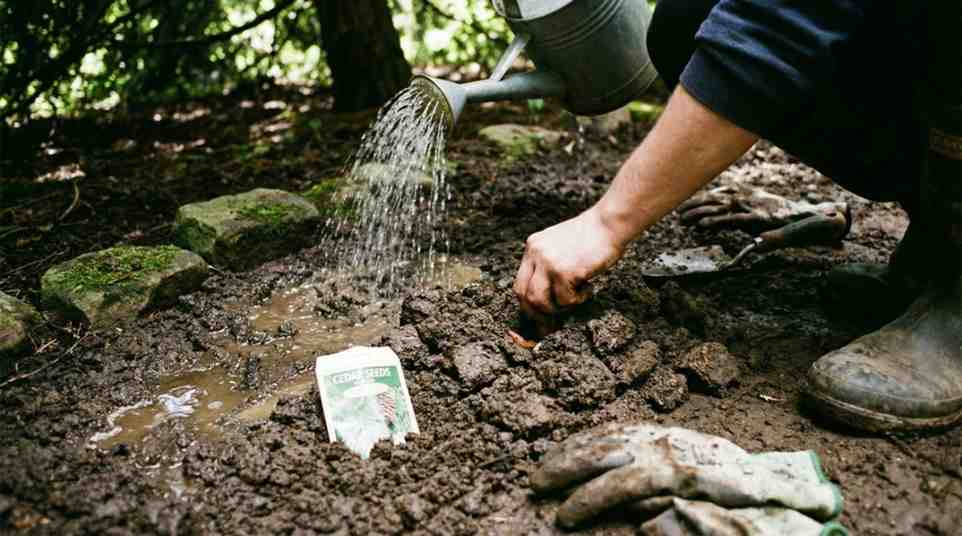
Watering
- Maintain light soil moisture
- Avoid excessive watering
Sunlight
Seedlings grow well in:
- Partial or full sunlight
Transplanting
Seedlings can be transplanted when they reach:
- 10–15 cm height
Careful attention during this stage ensures success when learning how to plant cedar seeds.
Common Mistakes When Planting Cedar Seeds
Many beginners face difficulties with how to plant cedar seeds due to simple planting mistakes.
Common problems include:
- Planting seeds too deep
- Skipping cold stratification
- Overwatering soil
- Poor soil drainage
- Insufficient sunlight
Avoiding these mistakes greatly improves cedar seed germination.
Cedar Growing Conditions Overview
| Growth Factor | Ideal Condition | Effect on Cedar Seedlings |
|---|---|---|
| Soil | Well-drained loamy soil | Healthy roots |
| Sunlight | Full or partial sunlight | Strong foliage |
| Temperature | 15–20°C | Stable germination |
| Watering | Moderate moisture | Prevents root rot |
FAQs
1. How long do cedar seeds take to germinate?
Cedar seeds usually germinate within 30 to 90 days, depending on soil moisture, temperature, and stratification.
2. Do cedar seeds require cold stratification?
Yes, most cedar seeds require 30–60 days of cold stratification to break dormancy before germination begins.
3. How deep should cedar seeds be planted?
Cedar seeds are normally planted about ¼ inch deep in loose soil.
4. Can cedar seeds be planted indoors?
Yes, cedar seeds can be started indoors in seed trays with proper light, moisture, and soil conditions.
5. What soil works best for cedar seeds?
Cedar seeds grow best in well-drained sandy or loamy soil that allows roots to expand easily.