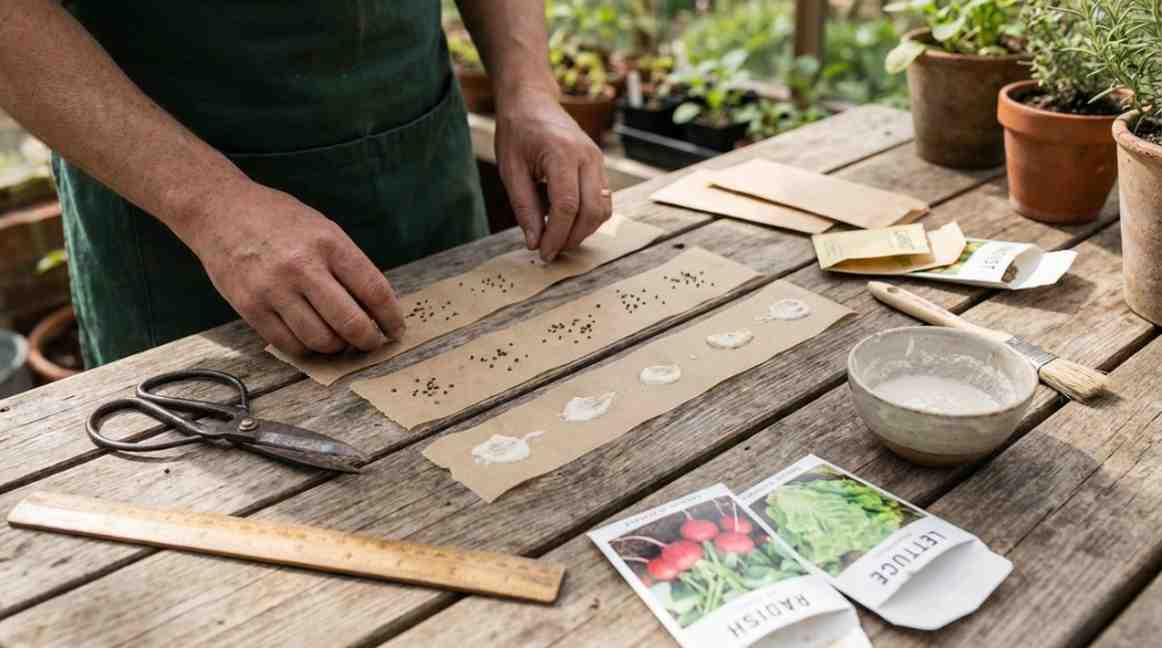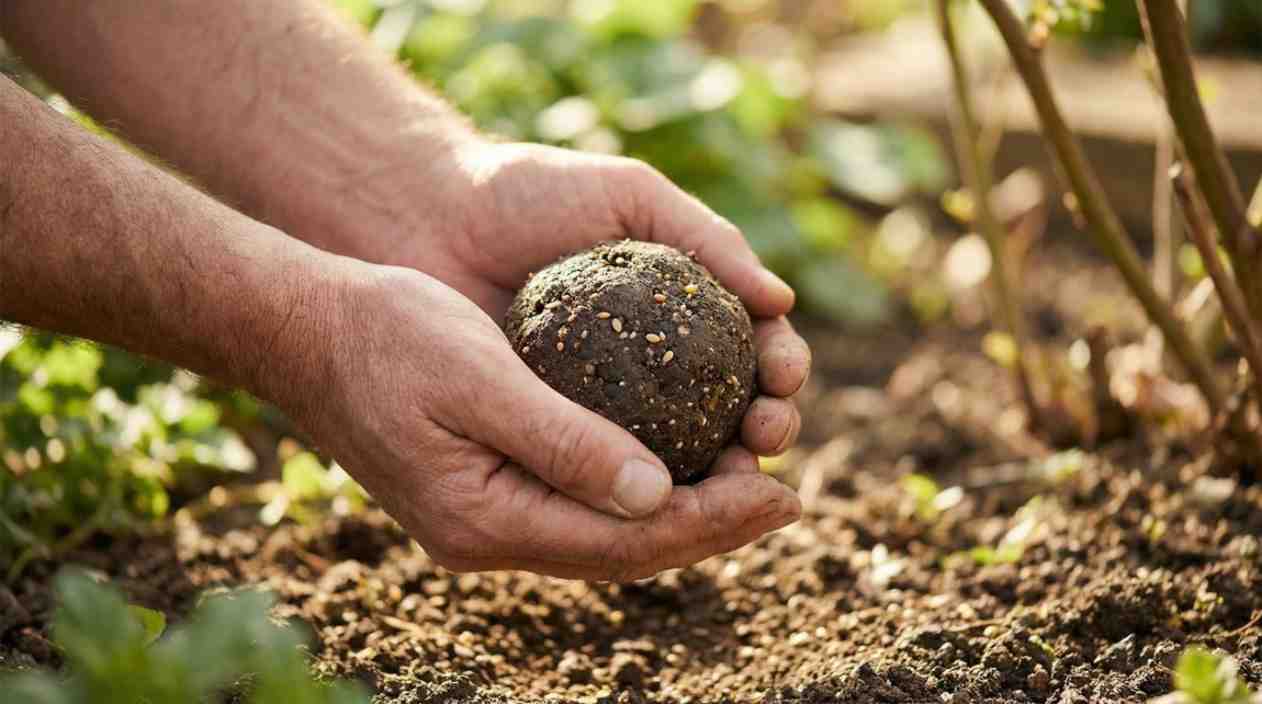
A clear method explains how to make a seed ball using soil, compost, and seeds for natural planting with better germination and low effort.
How to Make a Seed Ball
Growing plants does not always require digging, tools, or constant care. How to make a seed ball is a natural planting method that protects seeds until moisture activates growth. This technique combines seeds, soil, and compost into a compact form that supports germination. How to make a seed ball correctly improves planting success in areas where traditional sowing often fails.
Seed Ball Materials and Their Role
| Material | Function |
|---|---|
| Clay soil | Shields seeds from birds, heat, and wind |
| Compost | Supplies nutrients during early sprouting |
| Seeds | Primary source of plant growth |
| Water | Binds ingredients into a solid form |
What Is a Seed Ball and How Does It Work?
A seed ball is a compact mixture of clay, compost, and seeds shaped into a small sphere. Understanding how to make a seed ball begins with knowing how this structure supports natural growth.
- Clay creates a protective outer layer
- Compost improves early root development
- Moisture breaks the shell, allowing seeds to sprout
Seed balls remain dormant until rainfall or sufficient moisture softens the clay. This makes how to make a seed ball effective for planting in dry, degraded, or hard-to-reach locations.
Why Learning How to Make a Seed Ball Is Useful
Learning seed ball method provides multiple practical advantages.
- Seeds remain protected from birds and insects
- Planting occurs without soil disturbance
- Suitable for urban and rural areas
- Supports natural germination cycles
- Reduces planting effort and cost
This approach is often used for wildflower planting, roadside greenery, and re-vegetation projects.
Materials Required to Make a Seed Ball
Using the right materials is essential for success when applying seed ball method.
- Clay soil or red soil
- Organic compost or potting soil
- Native, grass, or wildflower seeds
- Clean water
Each component plays a specific role. Seed ball method depends on correct balance rather than quantity.
Recommended Seed Types for Seed Balls
Seed choice affects results when following how to make a seed ball.
- Wildflower seeds
- Native plant seeds
- Grass seeds
Vegetable seeds may be used, but they require more moisture and care. Seed ball method works best with resilient, low-maintenance seeds.
How to Make a Seed Ball Step by Step
| Step | Action | Key Details |
|---|---|---|
| Step 1 | Combine dry ingredients | Mix clay soil and compost, add seeds evenly, and blend until consistent |
| Step 2 | Add water slowly | Add small amounts of water, avoid soaking, texture should feel firm but moldable |
| Step 3 | Shape the seed balls | Roll into small, even balls, keep size consistent, avoid cracks or gaps |
| Step 4 | Dry the seed balls | Place in a shaded, dry area, dry for 24–48 hours, ensure full hardness |
Ideal Size and Quantity of Seed Balls
Correct sizing improves success when applying how to make a seed ball.
- Diameter: 1–1.5 inches
- Seeds per ball: small quantity
- Spacing: avoid clustering
Uniform size ensures even moisture absorption.
When to Use Seed Balls for Best Results
Timing is important when practicing how to make a seed ball.
- Before expected rainfall
- During mild seasons
- Avoid extreme heat
Rainfall activates the clay shell and initiates growth.
Where Seed Balls Work Best
Location affects outcomes when using how to make a seed ball.
- Bare soil areas
- Roadside land
- Open fields
- Unused urban spaces
Avoid placing seed balls in maintained lawns or cultivated beds.
Storage Methods for Seed Balls
Proper storage maintains quality after learning how to make a seed ball.
- Store in dry containers
- Keep away from humidity
- Avoid sunlight exposure
Stored seed balls can remain viable for months.
Common Errors in Seed Ball Preparation
Mistakes reduce effectiveness of how to make a seed ball.
- Excess water causes cracking
- Incorrect seed selection
- Poor drying conditions
Correcting these issues improves results.

Environmental Impact of Seed Balls
Understanding the broader impact of how to make a seed ball helps guide responsible use.
- Supports biodiversity
- Reduces soil erosion
- Encourages natural regeneration
Seed balls work best when native species are used.
Limitations of Seed Ball Method
While useful, how to make a seed ball has limitations.
- Dependent on rainfall
- Not suitable for all plant types
- Variable success rates
Awareness of these factors helps set realistic expectations.
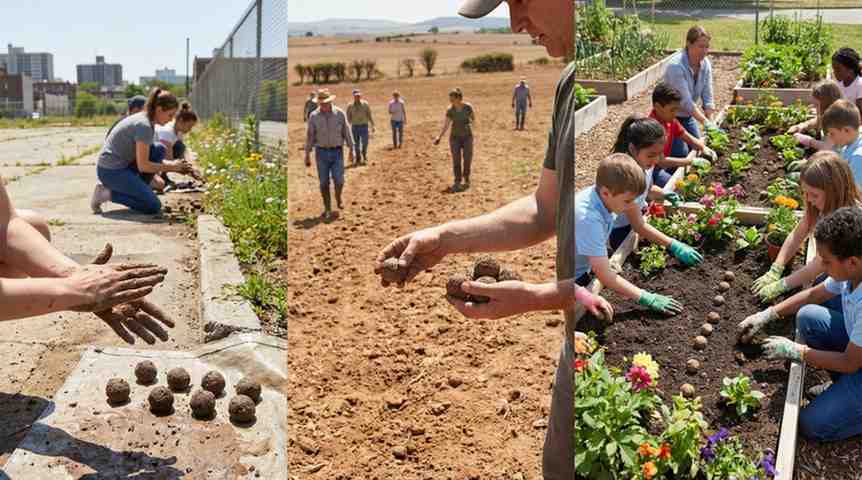
Seed Ball Use in Different Environments
Applying how to make a seed ball varies by setting.
Urban Areas
- Vacant plots
- Roadside strips
Rural Areas
- Field boundaries
- Degraded land
Community Projects
- Green drives
- School initiatives
Maintenance After Seed Ball Use
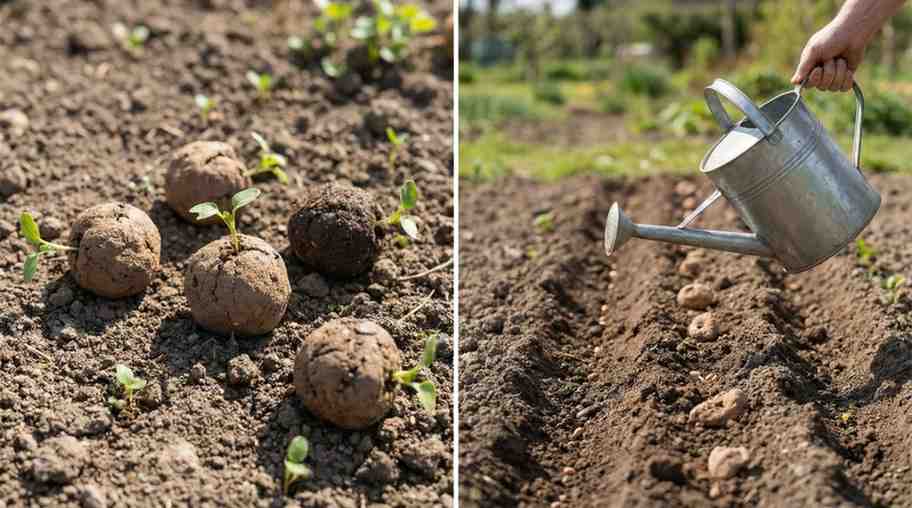
Minimal care is required after applying how to make a seed ball.
- Monitor rainfall
- Avoid disturbance
- Allow natural growth
Intervention is rarely necessary.
Seed Balls vs Traditional Planting
| Aspect | Seed Balls | Traditional Planting |
|---|---|---|
| Soil digging | Not required | Required |
| Seed protection | High | Low |
| Labor | Minimal | High |
| Water dependence | Rain-based | Manual watering |
FAQs
How to make a seed ball at home?
Mix clay soil, compost, and seeds with water, form small balls, and let them dry completely.
How many days does it take for seed balls to begin sprouting?
Most seed balls sprout within 7–21 days, depending on moisture and temperature.
Can seed balls be stored?
Yes, dried seed balls can be stored for 6–12 months in dry conditions.
Do seed balls require watering?
They mostly rely on rainfall and usually do not need manual watering.
Are seed balls effective for all plants?
They work best for wildflower, grass, and native plant seeds.