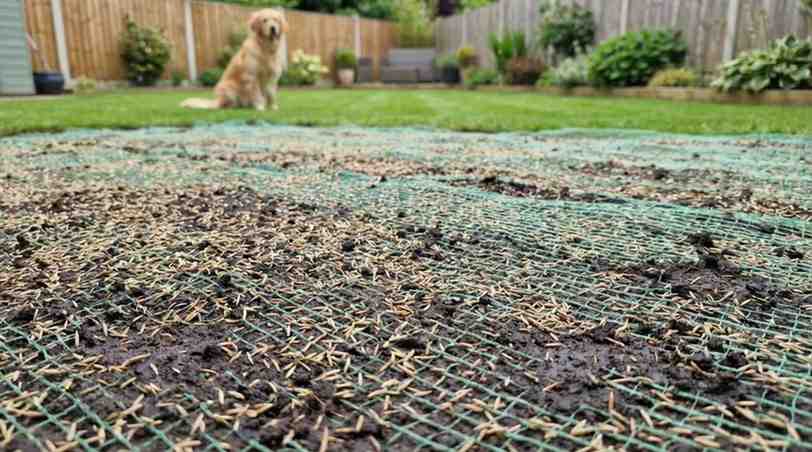
Fresh lawn protection made simple. Understand how to keep dog off grass seed with safe barriers, training, and lawn protection methods.
How to Keep Dog Off Grass Seed
Planting a new lawn takes care, but pets can easily damage fresh soil and seedlings. Many homeowners search for how to keep dog off grass seed to protect new grass from digging and running. Learning how to keep dog off grass seed helps prevent patchy growth, seed loss, and soil disturbance. Proper protection methods ensure healthy germination, strong roots, and long-lasting lawn results. Proper lawn care methods explain how to keep dog off grass seed while protecting new grass growth.
Step-by-Step Lawn Protection Process
| Stage | Action | Purpose | Expected Result |
|---|---|---|---|
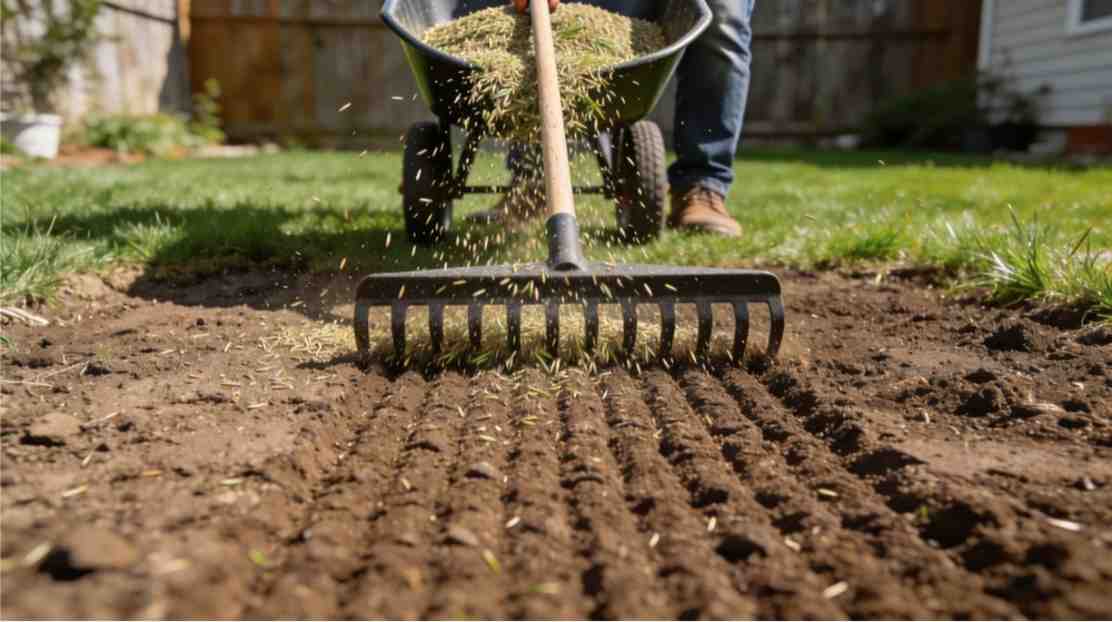
| Area Preparation | Remove debris and level soil | Improves seed contact | Even germination |
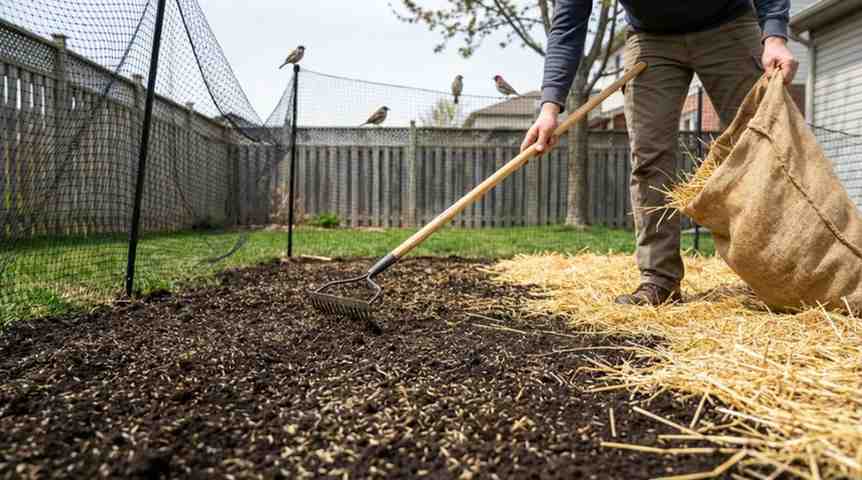
| Seed Protection | Cover seed with straw or netting | Prevents disturbance | Seeds stay in place |
| Dog Restriction | Install barriers or fencing | Limits lawn access | Reduced damage |
| Growth Monitoring | Check daily moisture and growth | Supports healthy development | Strong seedlings |
| Lawn Establishment | Remove protection after growth | Allows normal use | Healthy lawn |
Why You Must Keep Dog Off Grass Seed
Protecting newly planted areas is essential because grass seeds require stable conditions. Dogs can easily disrupt soil structure and seed placement.
- Seed displacement — running or digging moves seeds from soil.
- Soil compaction — walking on wet soil blocks root growth.
- Urine damage — high nitrogen burns young grass.
- Uneven germination — disturbed areas grow patchy.
- Wasted investment — damaged seed requires reseeding.
Understanding how to keep dog off grass seed improves lawn survival rates and reduces maintenance costs.
Common Risks When Dogs Walk on Grass Seed
| Risk Type | Impact on Lawn | Long-Term Effect |
|---|---|---|
| Foot Traffic | Compresses soil | Weak roots |
| Digging Behavior | Removes seeds | Patchy lawn |
| Urine Spots | Burns seedlings | Dead patches |
| Running Activity | Disrupts growth | Uneven turf |
Physical Barriers to Protect Grass Seed
Temporary Fencing
- Prevents direct access to seeded areas
- Easy installation and removal
- Protects large lawn sections
- Supports uninterrupted germination
Garden Netting
- Keeps seeds secure in soil
- Allows sunlight and airflow
- Prevents digging behavior
- Lightweight and affordable
Mulch or Straw Covering
- Protects seeds from movement
- Retains moisture for germination
- Reduces soil erosion
- Improves seed stability
Using physical barriers is one of the most effective ways to manage how to keep dog off grass seed safely.
Safe Dog Repellent Methods
| Repellent Type | How It Works | Safety Level |
|---|---|---|
| Natural Smell Barriers | Dogs avoid strong scents | High |
| Commercial Pet Repellents | Creates scent deterrent | High |
| Vinegar Solution | Produces strong odor barrier | Moderate |
| Citrus-Based Spray | Discourages entry naturally | High |
Repellents should not harm pets and must be applied carefully.
Training Methods to Control Dog Behavior
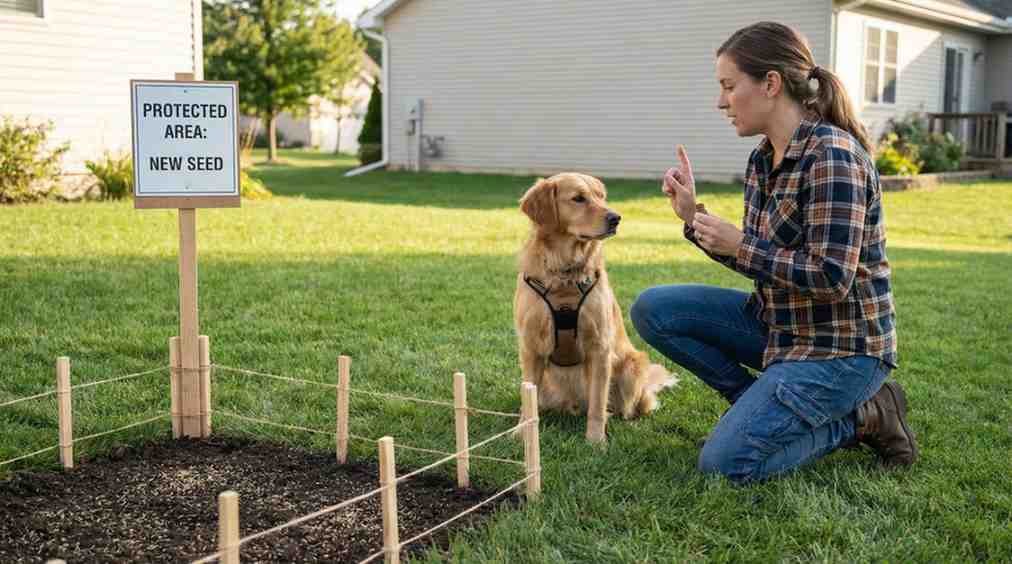
Boundary Training
- Teaches dog to avoid restricted areas
- Use clear commands consistently
- Reward correct behavior
- Builds long-term control
Supervised Outdoor Time
- Monitor dog activity during germination
- Prevent digging or running
- Reinforce lawn boundaries
Designated Play Area
- Provides alternative space for activity
- Reduces interest in seeded lawn
- Encourages controlled behavior
Training improves long-term results when learning how to keep dog off grass seed effectively.
Best Lawn Covering Techniques
- Straw mulch layer protects seeds
- Burlap sheets stabilize soil
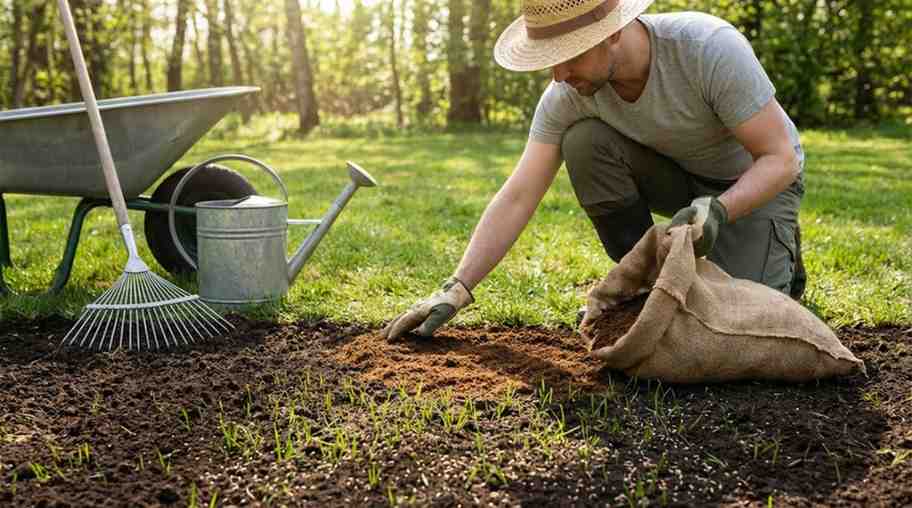
- Seed blankets support moisture retention
- Net covers prevent disturbance
Lawn coverings create a protective environment for early growth stages.
How Long to Keep Dogs Off Newly Seeded Lawn
| Growth Stage | Protection Period | Reason |
|---|---|---|
| Initial Germination | 2–3 weeks | Seeds stabilize |
| Root Development | 3–5 weeks | Roots strengthen |
| Early Growth | 5–8 weeks | Prevent damage |
| Established Lawn | After full growth | Normal use allowed |
Keeping dogs away until full establishment ensures strong turf formation.
Watering and Maintenance Tips
Balanced Watering
- Maintains soil moisture
- Prevents seed displacement
- Supports root growth
Regular Inspection
- Check for damaged areas
- Repair disturbed spots quickly
- Monitor grass development
Soil Condition Management
- Avoid overwatering
- Maintain proper drainage
- Support healthy germination
Mistakes That Damage Grass Seed
- Allowing early lawn access
- Excess watering causing seed movement
- Using harmful chemicals
- Ignoring training methods
- Removing protection too early
Avoiding these mistakes improves success in how to keep dog off grass seed.
Signs Your Grass Seed Is Successfully Protected
- Even seed distribution
- Uniform sprouting across lawn
- No digging marks
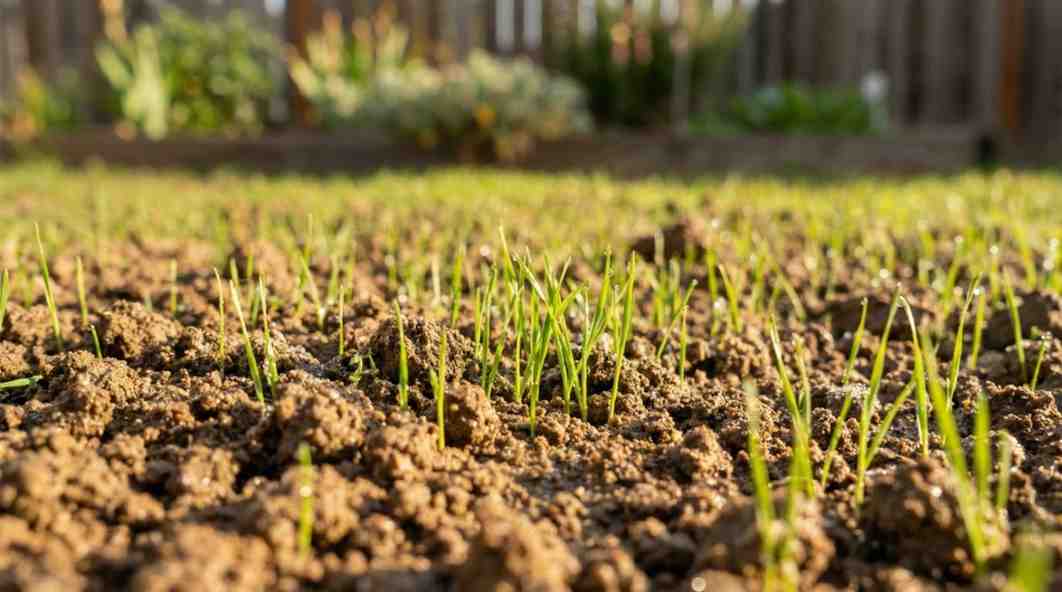
- Healthy green seedlings
- Strong root formation
Cost-Effective Ways to Protect Grass Seed
- Use household barriers like mesh
- Create temporary fencing
- Apply natural repellents
- Train dog consistently
- Monitor lawn regularly
Affordable solutions can still protect new grass effectively.
Weather Factors Affecting Lawn Protection
Rain Impact
- Moves seed from position
- Requires extra coverage
- Increases soil compaction risk
Heat Exposure
- Dries soil quickly
- Requires moisture balance
Wind Effects
- Displaces loose seed
- Requires protective covering
Lawn Growth Timeline
| Growth Phase | What Happens | Care Required |
|---|---|---|
| Seed Hydration | Seed absorbs moisture | Maintain watering |
| Root Emergence | Taproot forms | Protect soil |
| Sprouting Stage | Grass appears | Prevent traffic |
| Lawn Establishment | Strong turf forms | Normal care |
Pet Safety While Protecting Lawn
- Use non-toxic materials
- Avoid harmful chemicals
- Provide alternative play space
- Maintain supervised access
- Ensure safe environment
Pet safety remains essential while implementing how to keep dog off grass seed.
Long-Term Lawn Protection Strategy
- Continue boundary reinforcement
- Maintain training routines
- Monitor lawn health
- Repair damaged areas early
- Establish permanent pathways
Consistent care supports lasting lawn quality.
Lawn Protection Summary
| Method | Protection Level | Ease of Use | Result |
|---|---|---|---|
| Physical Barriers | Very High | Easy | Strong protection |
| Training Methods | High | Moderate | Long-term control |
| Repellents | Moderate | Easy | Temporary solution |
| Lawn Coverings | High | Easy | Seed stability |
FAQs
1. How long should dogs stay off grass seed?
Dogs should stay off for 5–8 weeks until grass establishes strong roots.
2. Can dog urine damage grass seed?
Yes, urine can burn seedlings and prevent growth.
3. Is straw covering safe for lawn protection?
Yes, straw helps protect seeds and retain moisture.
4. What is the easiest way to protect grass seed from dogs?
Temporary fencing and lawn covering provide simple protection.
5. Does watering affect grass seed protection?
Proper watering supports growth but overwatering can move seeds.