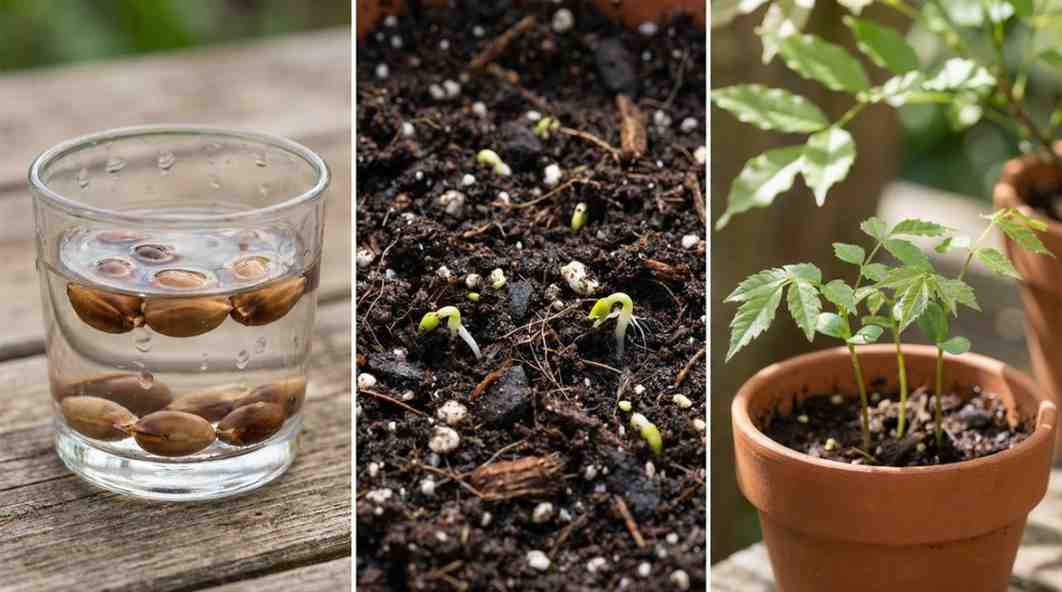
Strong vines start with correct preparation and timing; how to germinate wisteria seeds requires scarification, cold stratification, and steady moisture.
How to Germinate Wisteria Seeds
Growing wisteria from seed requires patience, preparation, and the right technique. Many gardeners fail because they underestimate the natural dormancy of these seeds. How to germinate wisteria seeds successfully depends on understanding their structure, moisture needs, and temperature requirements. When handled correctly, germination becomes consistent and predictable. This guide explains the entire process clearly, using practical methods that work in real conditions, whether seeds are started indoors or outdoors.
Wisteria Seed Germination Overview
Key Stages Before Planting
This table summarizes the key stages involved in seed preparation and early growth under controlled conditions.
| Stage | Purpose | Impact on Germination |
|---|---|---|
| Scarification | Weakens hard seed coat | Improves water absorption |
| Stratification | Mimics winter dormancy | Triggers sprouting response |
| Proper Sowing | Correct depth & soil | Prevents rot and failure |
| Controlled Moisture | Avoids drying or mold | Supports steady growth |
Skipping any stage directly affects how to germinate wisteria seeds successfully.
Understanding Wisteria Seeds and Dormancy
Wisteria seeds are naturally designed to delay sprouting until conditions are favorable. This survival mechanism protects the seed in the wild but creates challenges for gardeners.
- The seed coat is thick and water-resistant
- Dormancy prevents immediate germination
- Untreated seeds often remain inactive for months
Because of this, planting dry seeds directly into soil often results in failure. Successful wisteria seed germination requires intentional preparation that replicates natural seasonal changes.
Why Wisteria Seeds Fail to Germinate
Several factors interfere with proper sprouting:
- Unscarified seeds repel moisture
- Lack of cold exposure delays activation
- Overwatering causes rot
- Poor drainage suffocates embryos
Understanding these limitations is essential when learning how to germinate wisteria seeds correctly.
Step-by-Step: How to Germinate Wisteria Seeds
Seed Selection and Viability
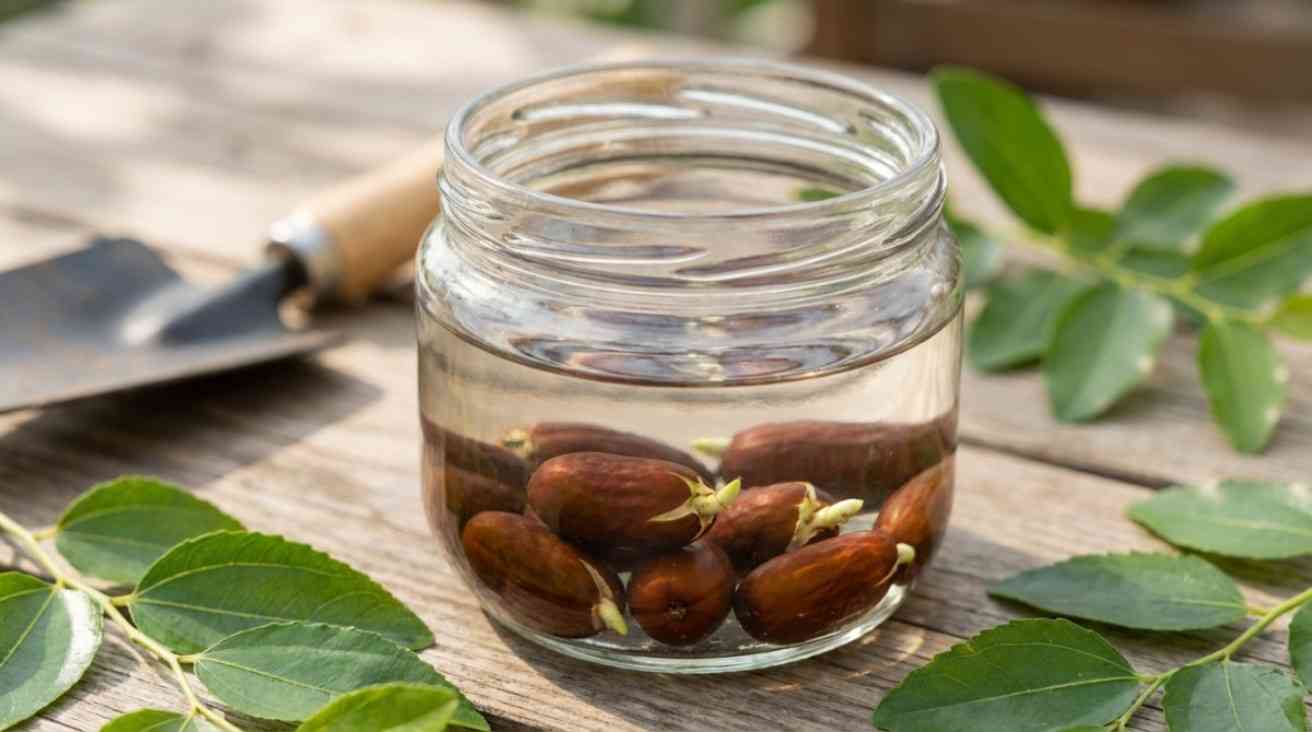
Healthy seeds are firm, dark brown, and harvested from fully dried pods.
- Avoid cracked or soft seeds
- Fresh seeds germinate more reliably
- Old seeds show delayed response
Scarification Process
Scarification allows water to penetrate the seed coat.
Methods:
- Light sanding with fine sandpaper
- Small nick with a file
- Gentle abrasion only on outer coat
Over-damaging the seed reduces germination success.
Cold Stratification
Cold stratification simulates winter conditions.
- Place scarified seeds in moist paper towel
- Seal inside breathable bag
- Refrigerate for 4–6 weeks
This step significantly improves wisteria seed germination rate.
Best Soil and Containers for Germination
Ideal Growing Medium
| Soil Component | Purpose |
|---|---|
| Seed-starting mix | Light texture |
| Perlite or sand | Drainage |
| Organic matter | Nutrient support |
Heavy garden soil restricts root development.
Container Requirements
- Drainage holes mandatory
- Shallow pots reduce moisture buildup
- Clean containers prevent fungal issues
Planting Depth and Spacing
Correct placement improves sprouting consistency.
- Plant seeds 1–2 cm deep
- Space seeds apart to avoid crowding
- Lightly cover with soil, do not compact
Improper depth delays emergence and weakens seedlings.
Temperature, Light, and Moisture Conditions
Wisteria seeds respond best to stable conditions.
- Temperature: 20–24°C
- Light: Bright, indirect light
- Moisture: Even, not saturated
Fluctuations slow how to germinate wisteria seeds efficiently.
Indoor vs Outdoor Germination Comparison
Environmental Differences
| Method | Advantages | Limitations |
|---|---|---|
| Indoor | Controlled moisture & warmth | Transplant stress |
| Outdoor | Natural conditions | Weather dependency |
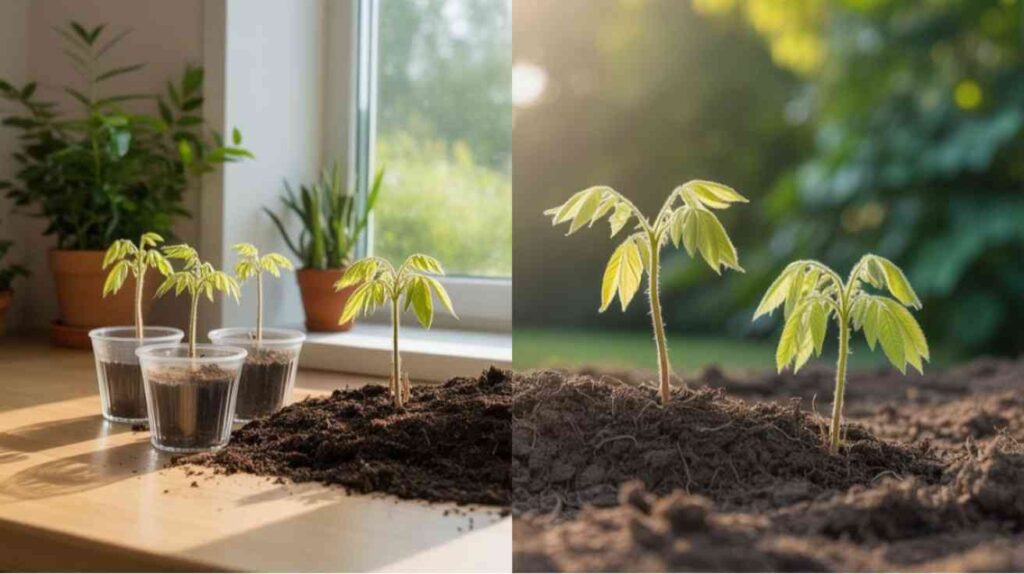
Indoor sowing reduces how long wisteria seeds take to germinate.
How Long Does It Take to Germinate Wisteria Seeds
Germination timing varies based on preparation.
- 2–4 weeks with full preparation
- 6–8 weeks with partial preparation
- 12+ weeks without stratification
Early signs include seed swelling and soil cracking.
Recognizing Successful Germination
Look for these indicators:
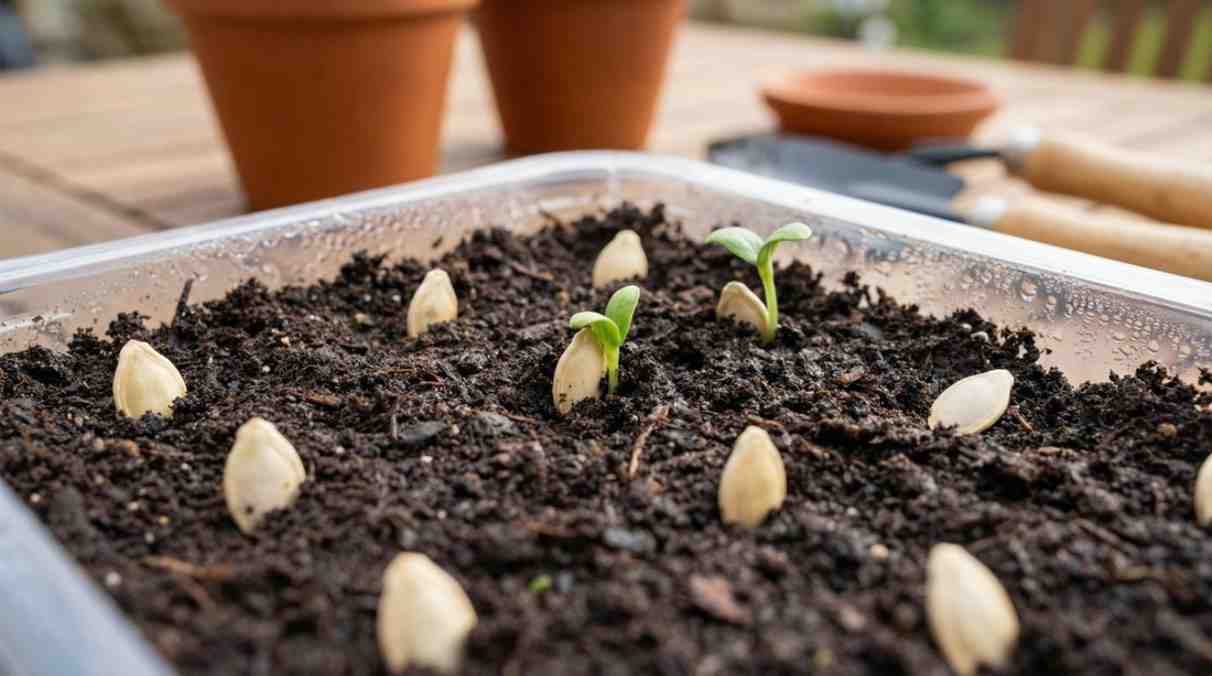
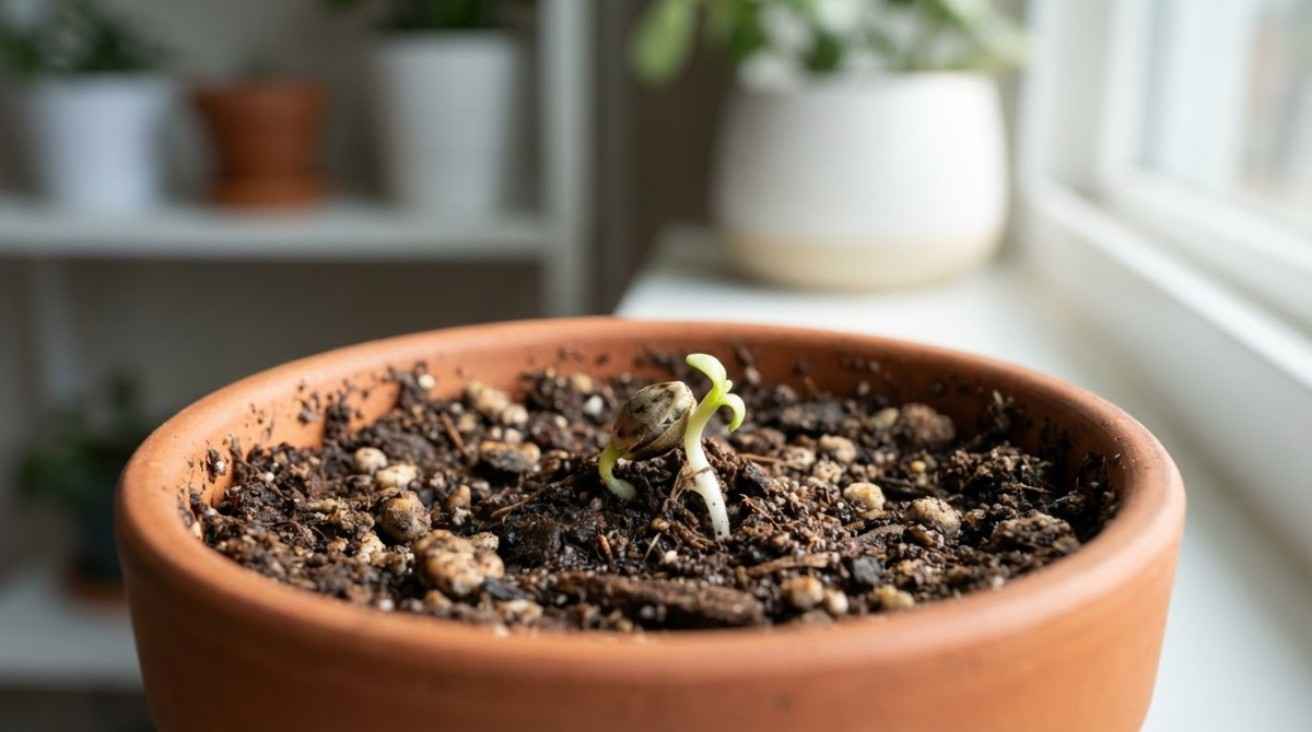
- Seed coat splits
- Small root emerges
- Green shoot follows within days
Healthy seedlings appear sturdy and upright.
Caring for Wisteria Seedlings
Watering Practices
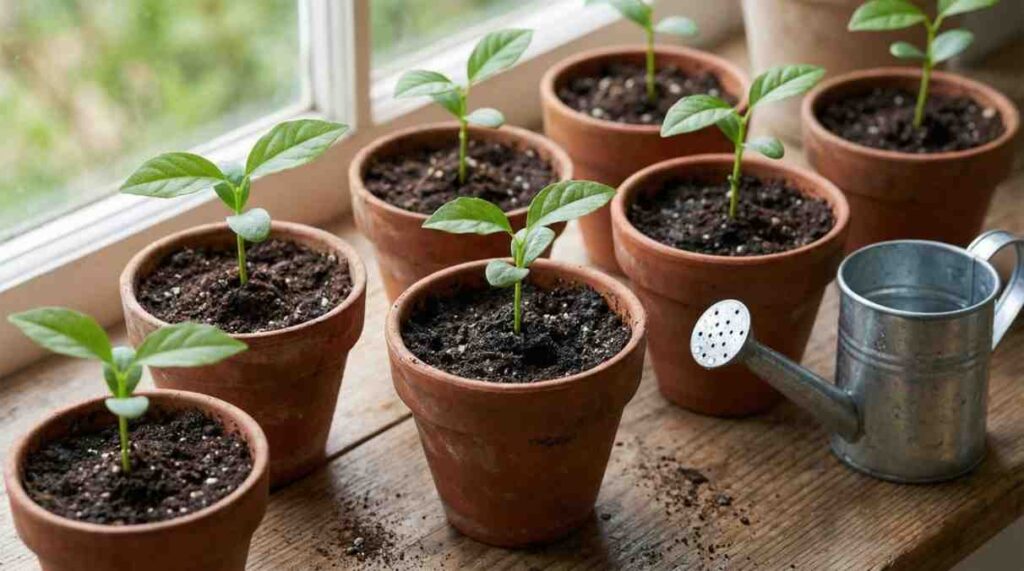
- Keep soil lightly moist
- Avoid pooling water
- Reduce watering after establishment
Light Requirements
- Bright indirect light initially
- Gradual exposure to sunlight
- Avoid sudden light changes
Transplanting Guidelines
Seedlings should be transplanted once:
- Two sets of true leaves appear
- Roots fill container
- Outdoor temperatures stabilize
Common Problems During Germination
Frequent Issues
- Mold growth from excess moisture
- Seed rot due to poor drainage
- Weak stems from low light
Correcting conditions restores progress.
Growth Expectations After Germination
Wisteria grown from seed develops slowly.
- First year focuses on root growth
- Flowering may take several years
- Vine strength improves gradually
This is normal behavior, not a failure.
Germination Timeline Summary
Growth Stages Table
The timeline below outlines general progress stages, which may vary slightly depending on temperature and moisture levels.
| Stage | Timeframe |
|---|---|
| Seed activation | 1–2 weeks |
| Sprouting | 2–8 weeks |
| Seedling stage | 2–3 months |
| Transplant ready | 3–4 months |
FAQs
1. How long does it take to germinate wisteria seeds?
Most seeds sprout within 3–8 weeks, depending on preparation and temperature.
2. Do wisteria seeds require scarification?
Yes, light scarification improves water absorption and germination success.
3. Is cold stratification necessary?
Cold treatment helps break dormancy and supports consistent sprouting.
4. Can wisteria seeds be germinated indoors?
Indoor germination allows better control and often produces faster results.
5. Why are my wisteria seeds not sprouting?
Common causes include old seeds, lack of stratification, or excess moisture.