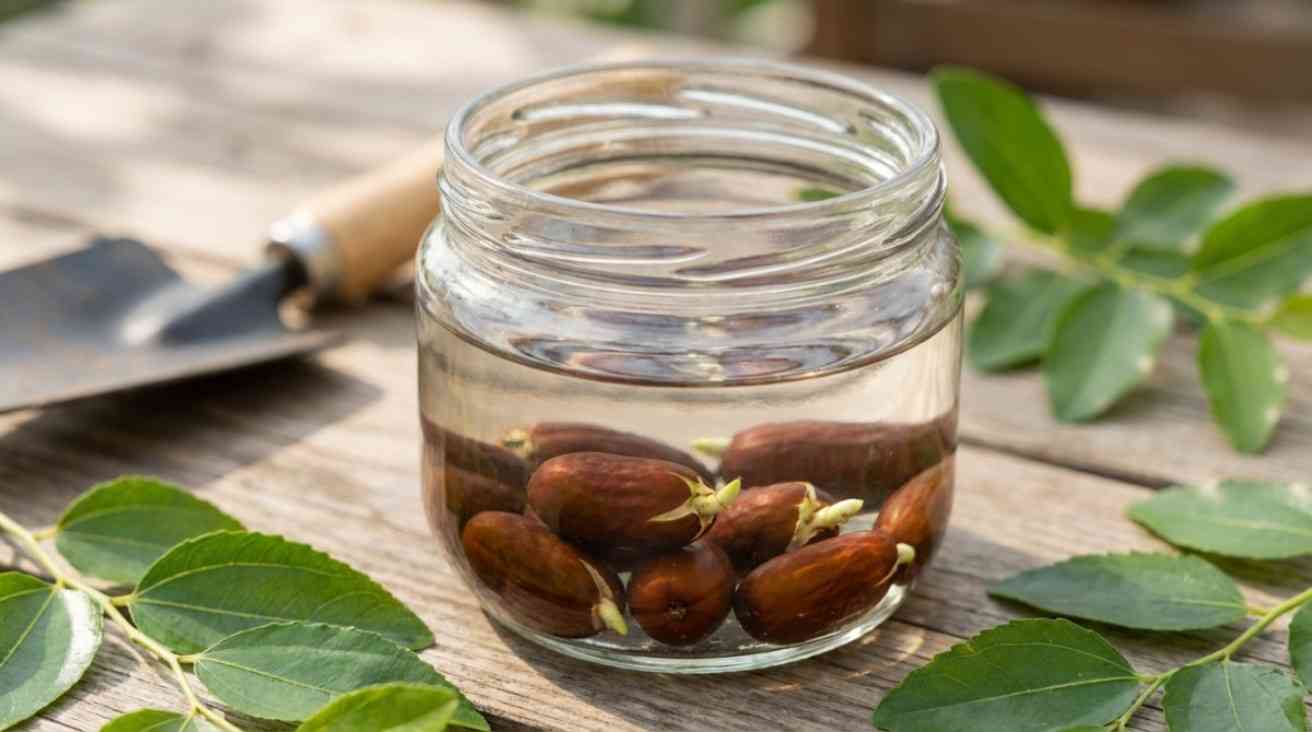
Seeds sprout successfully with correct treatment and planting. This guide explains how to germinate jujube seeds with soaking, stratification, and proper care.
How to Germinate Jujube Seeds
Jujube seeds are notoriously slow to sprout due to their hard outer shell and natural dormancy. Understanding how to germinate jujube seeds properly ensures higher success rates. With correct soaking, pretreatment, and planting techniques, seeds can develop healthy roots and steady growth. This guide provides a complete step-by-step approach for gardeners to grow strong seedlings at home.
How to Germinate Jujube Seeds Successfully
| Stage | What to Do | Fresh Explanation |
|---|---|---|
| 1 | Seed quality check | Pick dense, fully hardened jujube seeds. Any seed showing cracks, softness, or damage should be excluded immediately. |
| 2 | Container choice | Select a clean glass container that has not been exposed to detergents, chemicals, or oils that could affect germination. |
| 3 | Water preparation | Add plain water at normal indoor temperature. Allow tap water to rest beforehand so impurities can settle. |
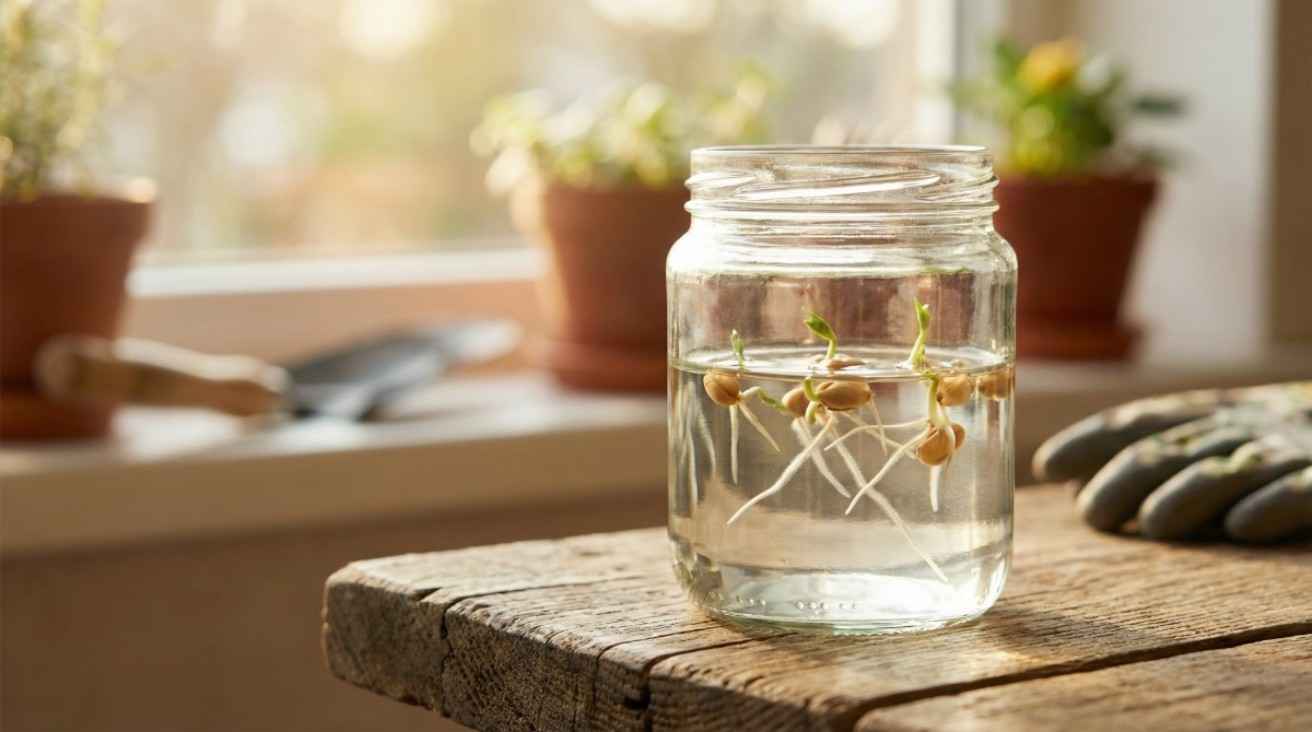
| 4 | Soaking period | Leave the seeds immersed for one to two days, adjusting time based on shell thickness. Excess soaking reduces viability. |
| 5 | Water replacement | Remove old water and wash seeds carefully using fresh water to minimize microbial buildup. |
| 6 | Outer shell treatment | Gently roughen a small area of the seed coat to allow moisture penetration without harming the inner seed. |
| 7 | Dormancy reduction | Keep seeds wrapped in slightly moist paper inside cold storage for several weeks to activate internal growth signals. |
| 8 | Environmental setup | Transfer seeds to a stable warm area with indirect brightness, maintaining a temperature range of 20–25°C. |
| 9 | Daily care routine | Observe seeds daily, refresh moisture twice, and remove any seed that develops smell or discoloration. |
| 10 | Planting stage | After visible root emergence, move seedlings into well-aerated soil that supports drainage and early root expansion. |
Understanding Jujube Seeds and Dormancy
Jujube seeds naturally exhibit dormancy due to a hard seed coat, which prevents water absorption and slows germination. Understanding jujube seed dormancy is essential for success. Dormant seeds may take weeks or even months to sprout without pretreatment.
- Scarification: Breaking the seed coat mechanically helps water penetrate the seed.
- Stratification: Mimicking cold winter conditions triggers the natural germination process.
By preparing seeds before planting, gardeners can increase the germination rate of jujube seeds and avoid frustration.
Collecting and Preparing Jujube Seeds
Selecting ripe jujube fruit seeds is the first crucial step. Only seeds from fully matured fruits should be used.
Steps for preparation:
- Extract seeds and remove any pulp completely.
- Rinse seeds in clean water to prevent microbial growth.
- Air-dry seeds for 1–2 days in a shaded area.
Proper preparation ensures healthy seeds with higher viability, reducing failures during germination.
Pretreatment Methods for Jujube Seeds
Scarification for Hard Seeds
Scarification weakens the hard seed coat jujube seeds possess.
- Mechanical scarification: Use sandpaper or a small knife to gently scratch the seed surface.
- Benefit: Improves water absorption and accelerates jujube seed sprouting.
Scarified seeds absorb moisture faster, reducing germination time.
Cold Stratification
Cold stratification is effective for dormant seeds.
Method:
- Sandwich the seeds in damp paper and secure them inside a closed plastic pouch.
- Refrigerate at 2–5°C for 2–4 weeks.
This simulates winter, signaling seeds to break dormancy and begin germination. Combining scarification and stratification maximizes success.
Soaking and Germination Process
After pretreatment, seeds are ready to germinate. Proper soaking improves jujube seed germination.
- Use room temperature water and soak seeds for 24–48 hours.
- Ensure water is replaced daily to prevent mold.
- Drain and rinse seeds twice daily during germination.
Moist but not soggy soil is ideal when moving seeds to containers or trays. Lightly covered containers maintain humidity while allowing oxygen flow.
Ideal Conditions for Germination
The right environment is critical for how to germinate jujube seeds successfully.
- Temperature: 20–25°C is optimal.
- Light: Indirect sunlight works best for seedling growth.
- Moisture: Keep seeds consistently damp, not waterlogged.
Monitoring daily for root and shoot development ensures early root development is noticed before moving seedlings to pots.

Caring for Seedlings After Germination
Once sprouts emerge, seedlings require attentive care:
- Watering: Maintain consistent moisture, avoid overwatering.
- Transplanting: Move seedlings to well-drained soil pots once shoots are strong.
- Hardening off: Gradually introduce seedlings to outdoor conditions to prepare for planting.
These steps ensure young jujube seedlings grow into healthy jujube trees from seed.
Common Problems and Troubleshooting
Even with proper preparation, issues may arise:
- Low germination rate: Often caused by unscarified or old seeds.
- Mold growth: Keep water fresh and rinse seeds regularly.
- Slow growth: Check temperature and light; seedlings may require slightly warmer conditions.
Addressing these problems early improves germination rate of jujube seeds.

Expert Tips to Improve Success
- Combine scarification and stratification for challenging seeds.
- Use transparent containers to monitor root growth.
- Avoid overwatering and maintain warm germination conditions.
- Select only ripe jujube fruit seeds to maximize viability.
These measures ensure consistent seedling emergence time and reduce failures.
FAQs
1. How long do jujube seeds take to germinate?
They typically sprout in 3–6 weeks depending on pretreatment and environmental conditions.
2. Do jujube seeds need scarification?
Yes, scarification weakens the hard coat and speeds water absorption.
3. Is cold stratification necessary for jujube seeds?
It is recommended for dormant seeds to mimic natural winter conditions.
4. Can jujube seeds germinate without soaking?
Soaking is optional but significantly increases sprouting success.
5. When should seedlings be transplanted outdoors?
Transplant once roots are strong and multiple true leaves have developed.