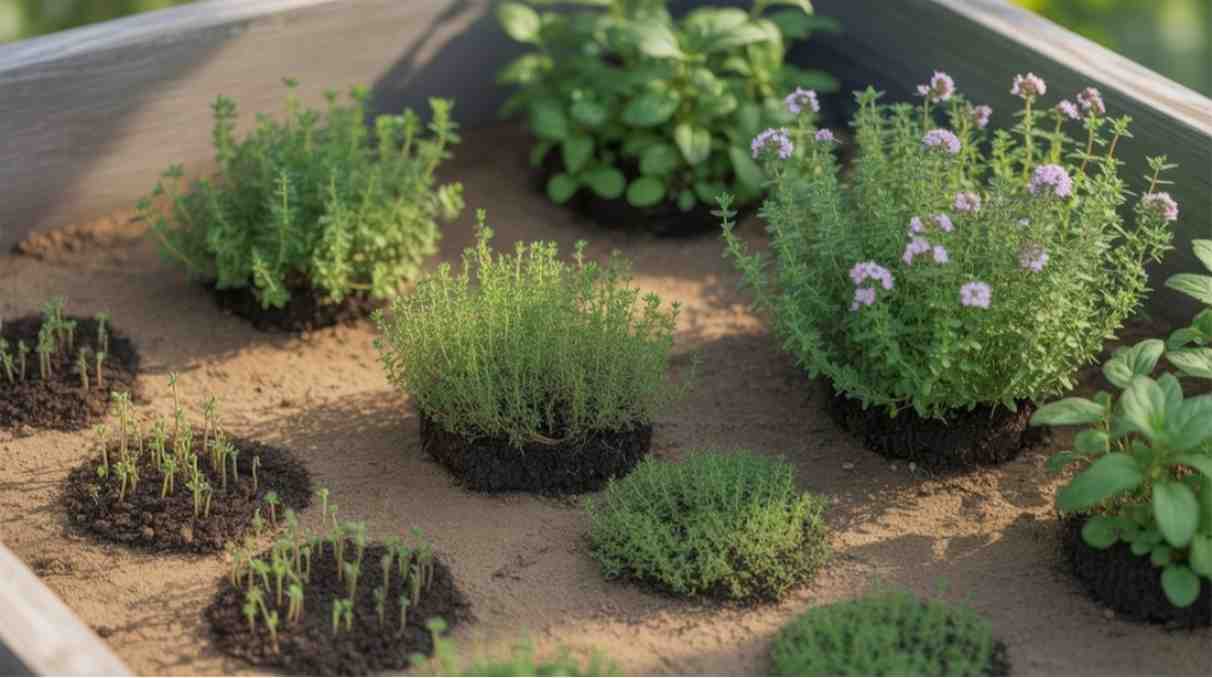
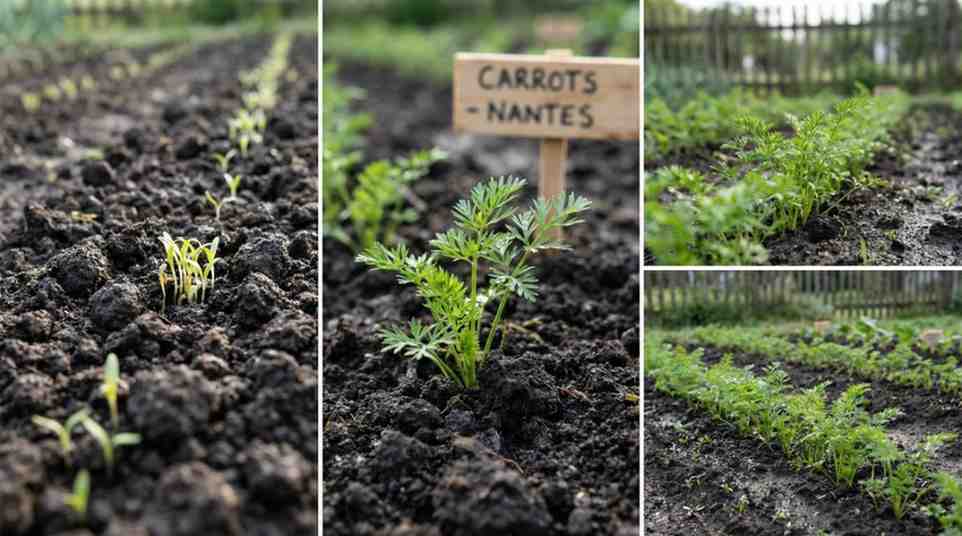
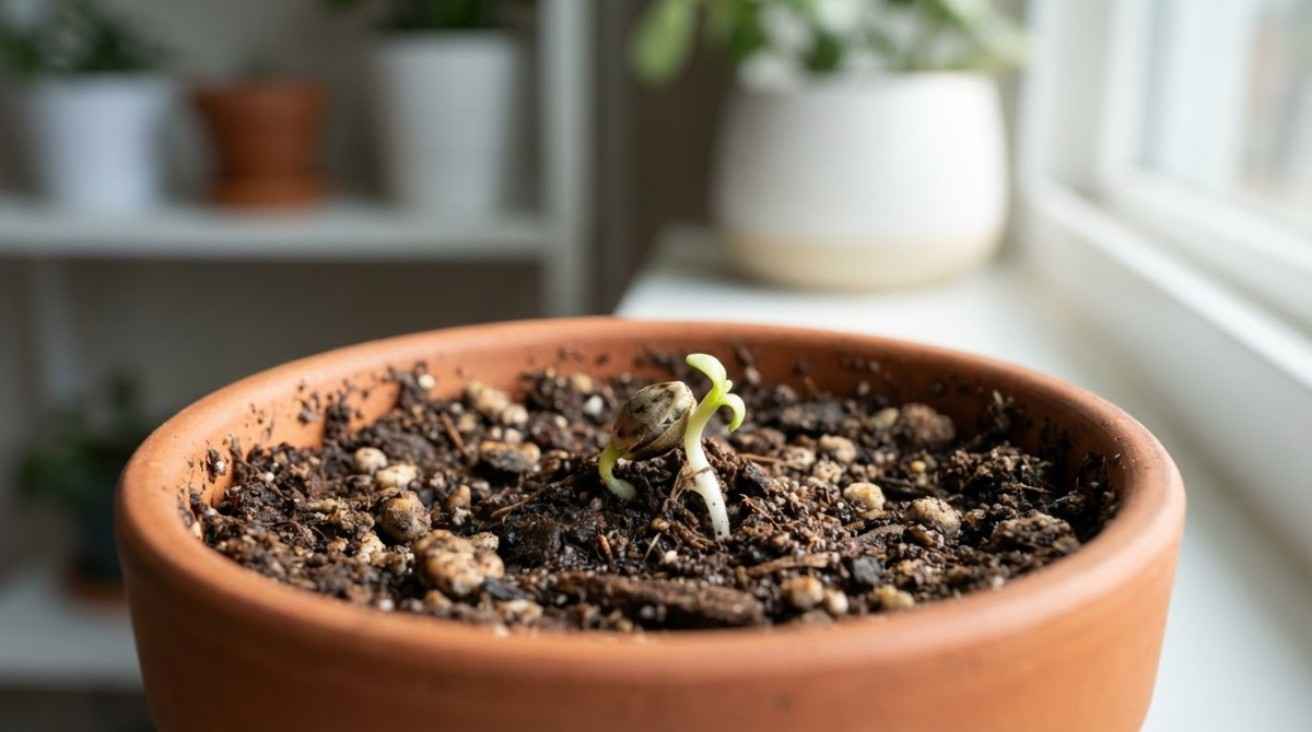
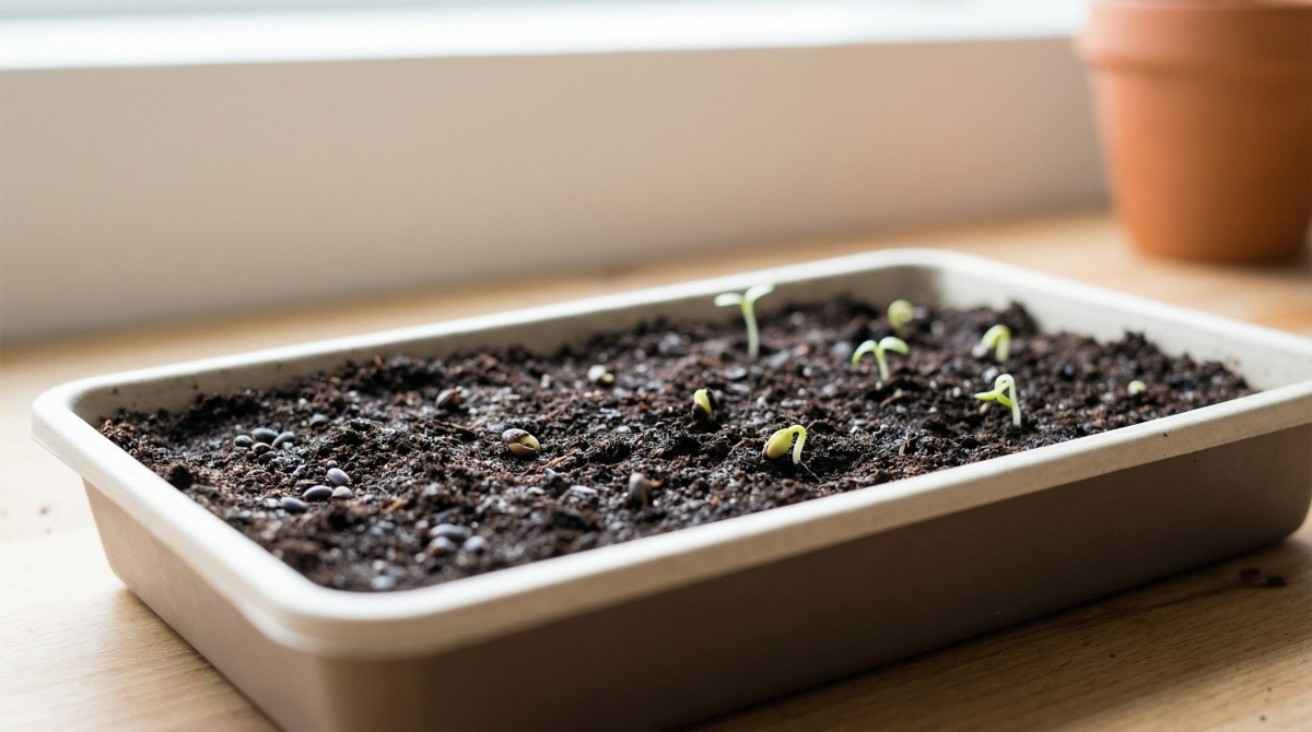
Strong germination depends on cold stratification, moisture balance, and timing; how to germinate butterfly weed seeds correctly ensures reliable sprouting.
How to Germinate Butterfly Weed Seeds
Butterfly weed seeds do not sprout like common garden plants. Their germination depends on seasonal signals, soil conditions, and seed dormancy control. Understanding how to germinate butterfly weed seeds correctly removes most failures. When handled properly, these seeds germinate consistently and develop strong root systems. These methods ensure higher success and faster sprouting for every gardener.
Butterfly Weed Seed Germination Overview
| Factor | Impact on Germination |
|---|---|
| Cold stratification | Breaks dormancy and activates growth |
| Soil temperature | Controls enzyme activity |
| Moisture level | Triggers seed swelling and root emergence |
| Planting depth | Affects oxygen and warmth access |
What Makes Butterfly Weed Seeds Difficult to Germinate
Butterfly weed (Asclepias tuberosa) is a native perennial adapted to cold winters.
Its seeds contain internal dormancy mechanisms that delay sprouting until winter has passed.
Key characteristics affecting germination:
- Natural cold requirement
- Firm seed coat
- Slow metabolic activation
- Sensitivity to excess moisture
Skipping dormancy preparation causes uneven or failed germination.
How Long Does It Take to Germinate Butterfly Weed Seeds
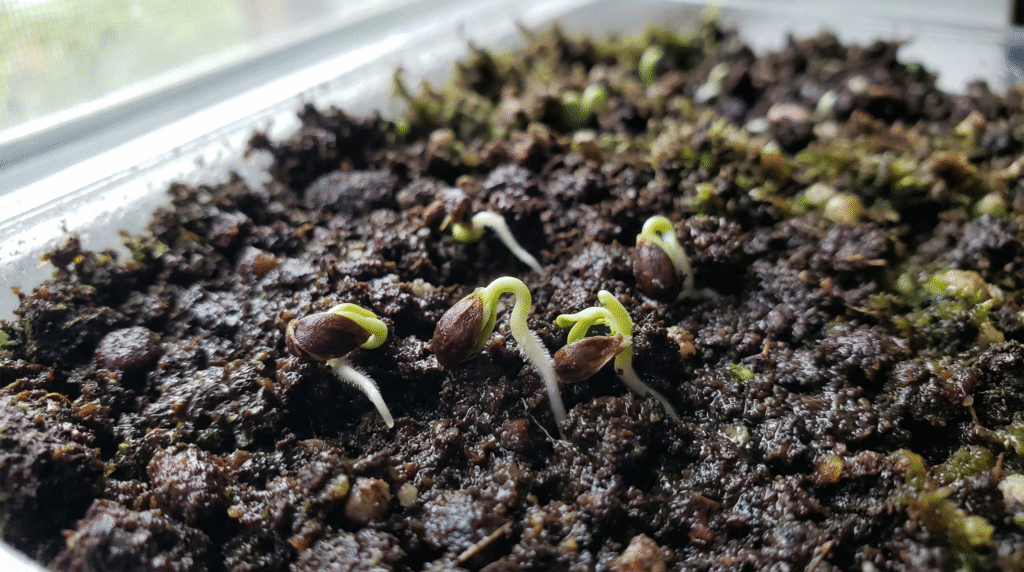
Butterfly weed seeds normally germinate within 10–30 days after dormancy is broken.
Without preparation, seeds may take 60 days or longer, or not sprout at all.
Germination speed depends on:
- Length of cold exposure
- Stable soil temperature
- Even moisture
- Seed freshness
Correct preparation shortens the waiting period significantly.
Cold Stratification and Why It Controls Germination
Cold stratification mimics winter conditions and activates the seed embryo.
Cold Stratification Conditions
| Requirement | Specification |
|---|---|
| Temperature | 34–40°F (1–4°C) |
| Duration | 30–45 days |
| Moisture | Damp, not wet |
Without cold stratification, how to germinate butterfly weed seeds becomes unpredictable.
How to Cold Stratify Butterfly Weed Seeds Properly
Cold stratification can be done artificially or naturally.
Refrigerator Method
- Place seeds in slightly moist paper towel
- Seal inside breathable bag
- Store at refrigerator temperature
- Maintain for 30–45 days
Outdoor Winter Sowing
- Sow seeds outdoors in fall
- Allow natural freeze–thaw cycles
- Germination occurs in spring
Both methods break dormancy effectively.
Soil Type and Structure for Fast Germination
Butterfly weed prefers well-draining soil with good oxygen flow.
Recommended Soil Characteristics
- Loose texture
- Low organic density
- Neutral to slightly alkaline pH
- No compaction
Heavy soil delays root emergence and increases rot risk.
Soil Preparation
| Soil Component | Purpose |
|---|---|
| Sand or perlite | Improves drainage |
| Light compost | Supports early nutrients |
| Garden soil | Provides structure |
Balanced soil shortens germination time.
Planting Depth and Seed Placement
Planting depth directly affects oxygen access.
Correct Placement
- Depth: ¼ inch
- Light soil coverage
- No firm packing
Seeds planted too deep struggle to emerge.
Moisture Control During Germination
Water activates seed metabolism but excess moisture causes failure.
Correct Moisture Balance
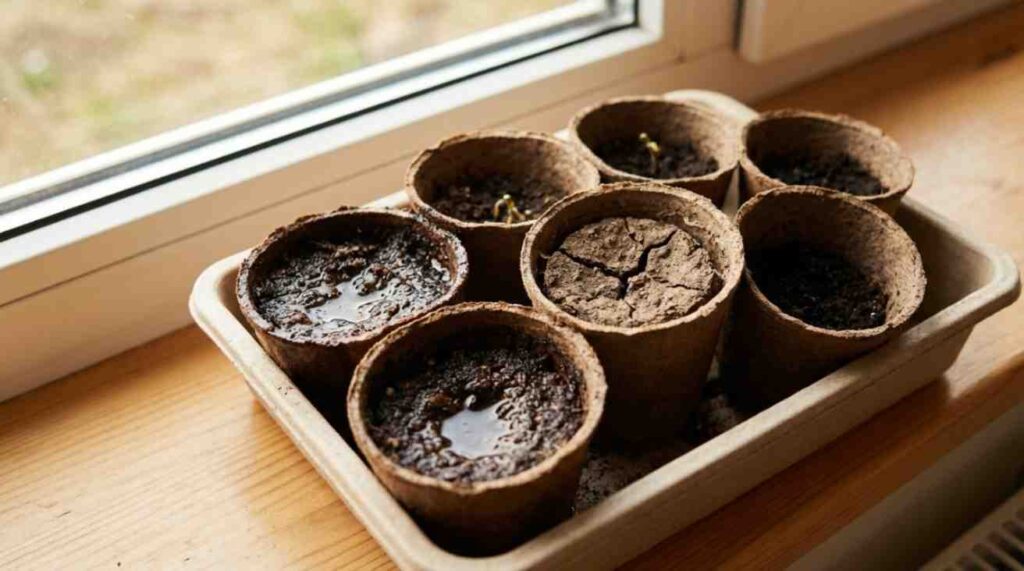
- Soil should feel damp
- No pooling or saturation
- Even watering schedule
Dry soil stops activation; waterlogged soil promotes rot.
Temperature Requirements for Germination
Temperature regulates enzyme activity inside the seed.
Ideal Temperature Range
| Stage | Temperature |
|---|---|
| Dormancy break | Cold (34–40°F) |
| Sprouting phase | 65–75°F |
Stable warmth ensures uniform sprouting.
Light Exposure During Germination
Butterfly weed seeds do not require light to germinate.
However:
- Bright indirect light supports seedlings
- Direct sun dries surface soil quickly
Light matters after emergence, not before.
Indoor vs Outdoor Germination Comparison
| Method | Control Level | Success Rate |
|---|---|---|
| Indoor trays | High | Consistent |
| Outdoor sowing | Low | Season-dependent |
Indoor control improves predictability.
Common Reasons Germination Fails
Most failures occur due to avoidable errors.
- Skipping cold stratification
- Planting too deep
- Overwatering
- Using compact soil
- Old or poorly stored seeds
Addressing these fixes most issues.
Seed Quality and Storage Effects
Fresh seeds germinate faster and more evenly.
Storage Conditions That Reduce Viability
- Heat exposure
- Moist storage
- Sunlight exposure
- Poor air circulation
Proper storage improves success.
Expected Seedling Development Timeline
| Stage | Timeframe |
|---|---|
| Dormancy break | 30–45 days |
| Sprout emergence | 10–30 days |
| True leaves | 2–3 weeks after sprout |
Slow early growth is normal.
Transplanting After Germination
Transplant only when seedlings are strong.
Transplant Guidelines
- At least 2–3 true leaves
- Soil temperature stable
- Minimal root disturbance
Butterfly weed dislikes frequent movement.
FAQs
1. How long does it take to germinate butterfly weed seeds?
Butterfly weed seeds usually germinate within 10–30 days after cold stratification.
2. Is cold stratification required for butterfly weed seeds?
Yes, cold stratification is required to break dormancy and allow germination.
3. Can butterfly weed seeds germinate without cold treatment?
Germination without cold exposure is inconsistent and often unsuccessful.
4. What temperature is best for butterfly weed seed germination?
The ideal temperature after dormancy is 65–75°F.
5. Why are my butterfly weed seeds not sprouting?
Common reasons include lack of cold stratification, excess moisture, deep planting, or compact soil.