Turning female plants male with STS, colloidal silver, rodelization, or GA safely creates all-female seeds that’s how to feminize seeds effectively.
How to Feminize Seeds
Feminized seeds allow growers to produce only female plants, saving time and space while ensuring better harvests. This guide explains how to feminize seeds safely using proven methods such as STS, colloidal silver, rodelization, and gibberellic acid (GA) all practical and effective.
Feminized Seed Methods Overview
| Feminization Technique | How It Works | Key Advantages | Main Drawbacks |
|---|---|---|---|
| STS (Silver Thiosulfate) | Blocks ethylene to convert female to male | High success rate (98–99%) | Requires careful handling |
| Colloidal Silver | Inhibits ethylene on specific branches | Easier for small growers | Slightly less consistent |
| Rodelization | Extended flowering triggers male sacs | Natural and chemical-free | Low seed yield |
| Gibberellic Acid (GA) | Hormone spray causes male traits | Organic alternative | Variable results |
Feminized seeds form when a female plant produces pollen after controlled stress or treatment. That pollen carries only X chromosomes, so when it pollinates another female, the offspring are 100% female (XX).
Result: consistent flowering, better yields, and no wasted effort removing males.
Why Feminize Seeds
- Grow only female plants for consistent flower production
- Save time and space by eliminating unwanted males
- Increase harvest potential with all productive plants
- Ensure uniform growth across all plants
Note: Improper feminization or unstable genetics can lead to hermaphrodite plants, so always test small batches first.
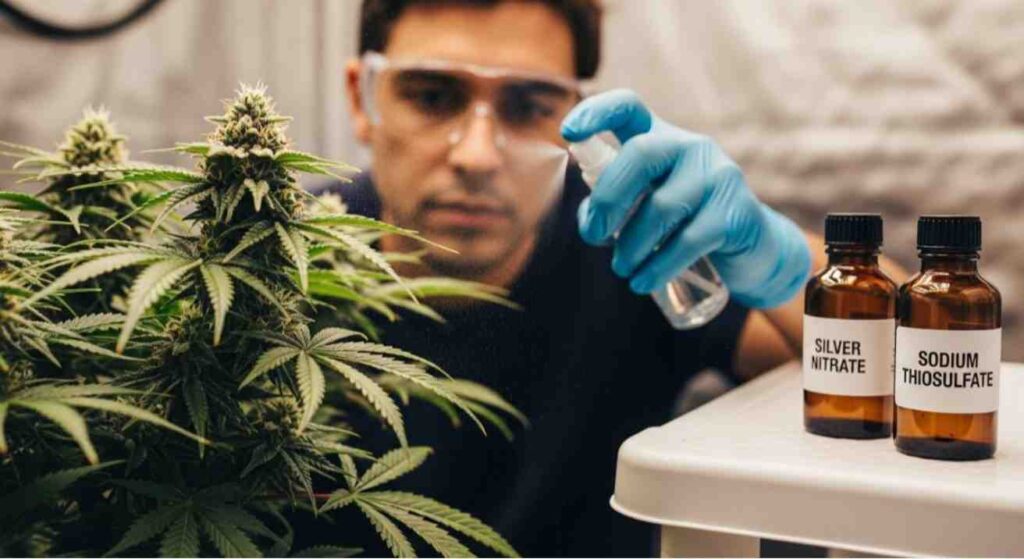
How to Feminize Seeds Using STS (Silver Thiosulfate)
STS is considered the most effective and reliable method for how to feminize seeds.
You’ll need:
- Silver nitrate and sodium thiosulfate
- Distilled water
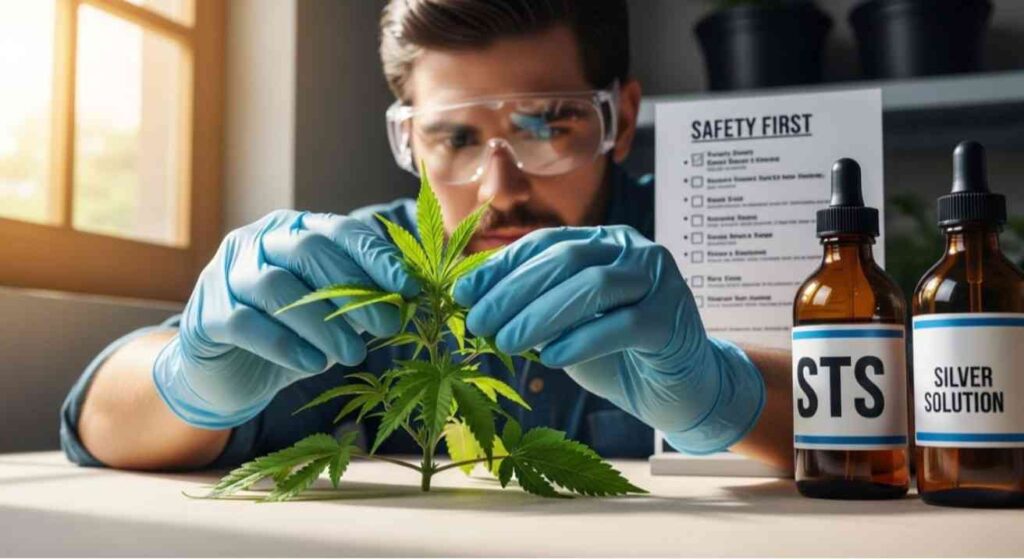
- Spray bottle, gloves, and goggles
Steps:
- Mix STS at a 1:4 ratio (silver nitrate to sodium thiosulfate)
- Spray entire female plants during early flowering
- Continue daily until male pollen sacs appear
- Collect pollen and pollinate another female plant
- Dispose of treated plants safely (not for consumption)
STS produces the highest feminization success rates, but it must be handled carefully.
How to Feminize Seeds Using Colloidal Silver
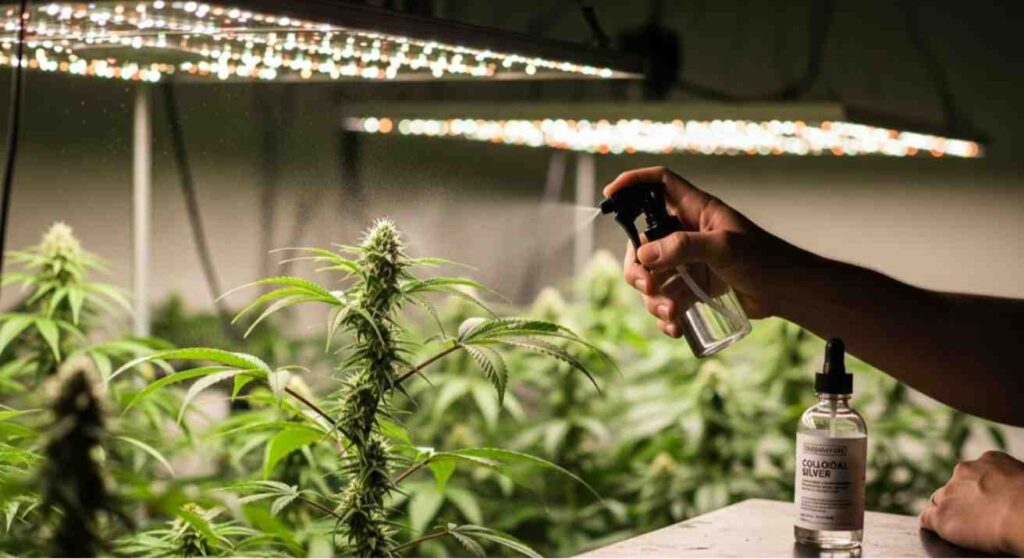
Colloidal silver offers a simpler, home-friendly approach for small-scale growers.
You’ll need:
- Colloidal silver (30–50 ppm)
- Spray bottle
Steps:
- Spray chosen branches once daily during pre-flower to early bloom
- Continue until male sacs form
- Collect pollen and apply to another female plant
- Isolate treated branches to prevent accidental pollination
Colloidal silver is ideal for home growers who want dependable results without chemical mixing.
How to Feminize Seeds Naturally (Rodelization Method)
Rodelization is a natural way to produce feminized seeds without chemicals.
Process:
- Let a healthy female flower beyond normal harvest time
- Watch for banana-shaped male sacs forming naturally
- Collect pollen from these sacs
- Pollinate another female plant gently
Rodelization works naturally but can lead to inconsistent results and occasional hermaphroditic traits.

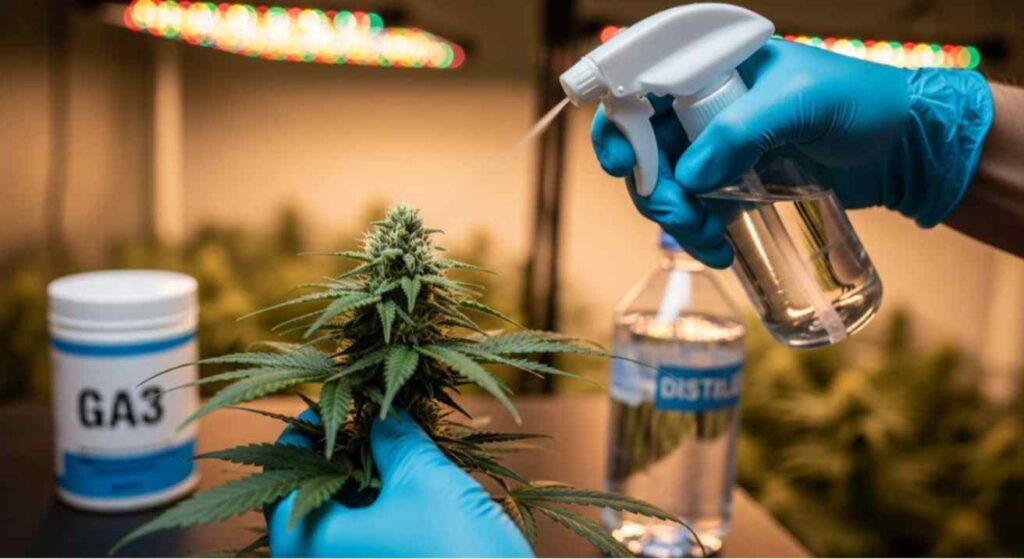
Using Gibberellic Acid (GA₃) for Feminization
Gibberellic acid is a plant hormone that promotes male flower traits in female plants.
You’ll need:
- GA₃ diluted in distilled water
- Spray bottle
Steps:
- Apply GA₃ spray during early flowering
- Wait for male flowers to form
- Collect pollen and use it on another female
Gibberellic acid provides a natural option, though it’s less reliable than STS or colloidal silver.
Step-by-Step Workflow for Feminizing Seeds
- Select a healthy female plant with strong genetics
- Take clones before applying treatments
- Choose your preferred feminization method
- Apply treatment during the right growth stage
- Wait until pollen sacs form
- Collect pollen carefully
- Pollinate another female using a clean brush
- Allow seeds to mature for 4–6 weeks
- Harvest, dry, and store seeds properly
Each feminized seed contains XX chromosomes only, ensuring female offspring under stable conditions.
Testing, Storage, and Quality Control
- Dry seeds in a cool, dark place for 10–14 days
- Store seeds in airtight containers with silica gel
- Test germination rate using a small sample
- Check female ratios and monitor for hermaphrodites
Proper handling ensures seed viability for up to five years.
Safety, Legal, and Ethical Guidelines
- Always wear gloves and goggles when using silver or STS
- Do not consume treated plants
- Isolate treated plants to prevent accidental pollination
- Verify local regulations before producing seeds
- Maintain genetic diversity in breeding programs
Following safety protocols ensures clean, legal, and sustainable feminized seed production.
Troubleshooting Feminization Problems
- No pollen sacs? → Wrong timing or weak solution
- Low seed count? → Early pollination or low pollen quality
- Hermaphrodites appearing? → Genetic instability or stress
- Weak seedlings? → Old or improperly stored seeds
Testing small batches helps ensure stable feminized seed results every time.
FAQs
Q 1. Are feminized seeds always female?
They produce about 98–99% female plants, depending on genetics and method.
Q 2. What is the easiest method to feminize seeds?
Colloidal silver is the easiest and most accessible option for beginners.
Q 3. Can treated plants be used or consumed?
No, plants sprayed with STS or colloidal silver should never be consumed.
Q 4. How long does it take to produce feminized seeds?
Usually 4–6 weeks after pollination, depending on the plant’s maturity.
Q 5. Do feminized seeds affect plant yield or potency?
No, if produced correctly, feminized seeds yield the same quality as regular seeds.