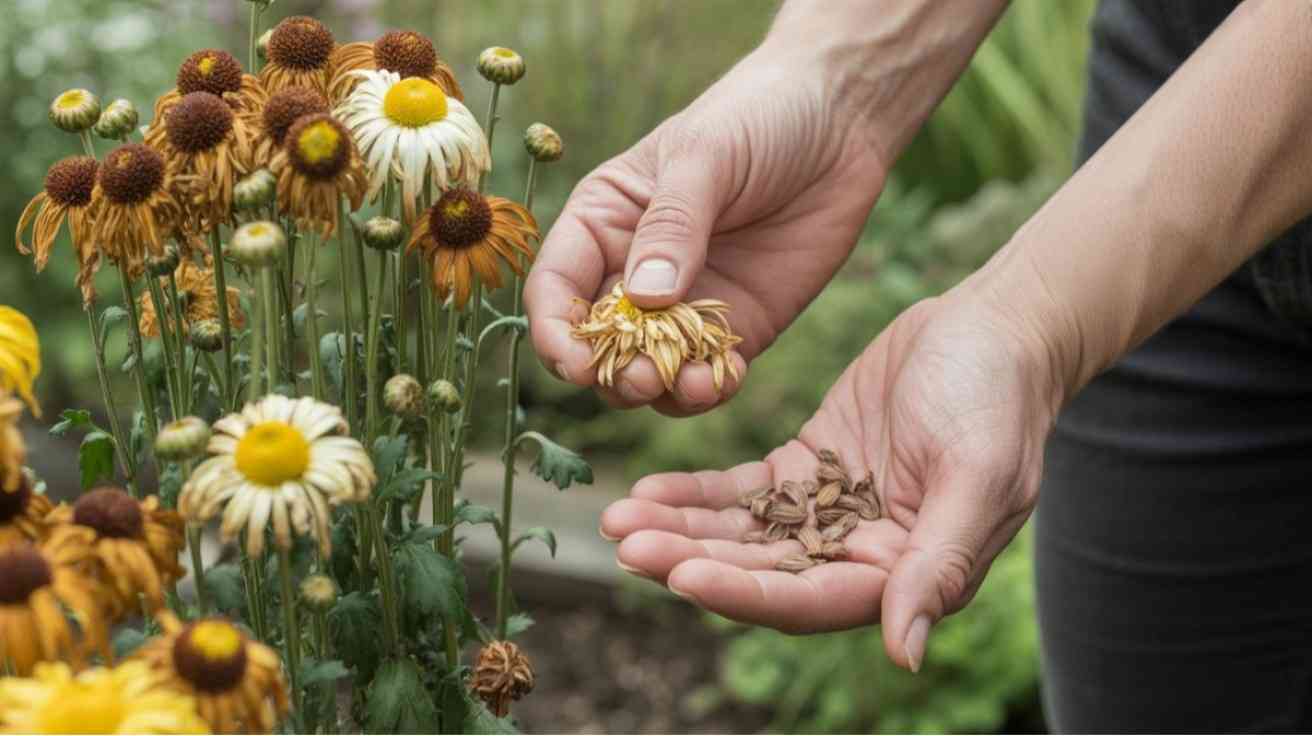
Seed collection success depends on timing and handling. how to collect mum seeds correctly ensures viable seeds, steady germination, and reliable storage results.
How to Collect Mum Seeds
Chrysanthemums, commonly called mums, are usually propagated from cuttings, yet seed collection is still possible when plants mature naturally. Many gardeners miss viable seeds because mum seed heads develop slowly and shed easily if handled too soon. Understanding how to collect mum seeds depends on recognizing flower maturity and following careful drying steps. Correct handling keeps seeds viable and easy to store. This guide explains the process clearly using simple, practical methods.
Overview of Mum Seed Collection Stages
| Stage | What Happens | Why It Matters |
|---|---|---|
| Flower Bloom | Flowers open fully | Seed development begins |
| Flower Fade | Petals dry and drop | Seeds start forming |
| Seed Head Drying | Seed heads turn brown | Seeds harden internally |
| Seed Release | Seeds loosen naturally | Harvest window opens |
Understanding Mum Seed Formation
Mum seeds form only after flowers complete their life cycle. This process differs from vegetables because seeds develop slowly inside dried flower heads rather than fleshy fruit.
Key points about seed formation:
- Pollination must occur naturally
- Flowers must remain on the plant
- Seed heads dry gradually over weeks
- Seed maturity happens late in the season
Many gardeners remove spent flowers too early, which stops seed development entirely. Allowing flowers to dry on the plant is essential for anyone learning how to collect mum seeds correctly.
When Mum Seeds Are Ready to Collect
Timing determines seed quality. Mum seeds are ready only after full drying occurs on the plant.
Clear readiness signs include:
- Flower heads turn brown or tan
- Petals fall away completely
- Seed heads feel crisp
- Seeds separate easily from chaff
Harvesting before these signs appear traps moisture inside seeds, reducing storage life and germination strength.
Tools Needed to Collect Mum Seeds
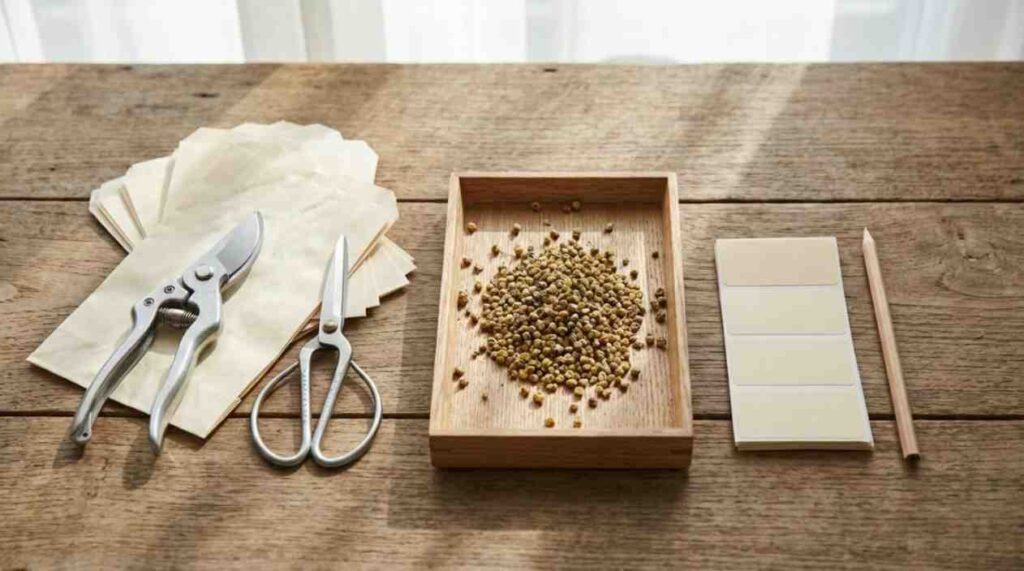
Seed collection requires only simple tools, but clean handling matters.
Recommended items:
- Paper bags
- Clean scissors or pruners
- Shallow trays
- Labels and pencil
Plastic containers should be avoided during collection because they trap moisture and encourage mold.
Step-by-Step: How to Collect Mum Seeds
Step 1: Leave Flowers on the Plant
Flowers must remain until fully dry. Deadheading stops seed formation entirely.
Step 2: Wait for Complete Drying
Seed heads should dry naturally outdoors unless frost threatens.
Step 3: Cut Seed Heads Carefully
Cut flower heads using clean scissors once fully dry.
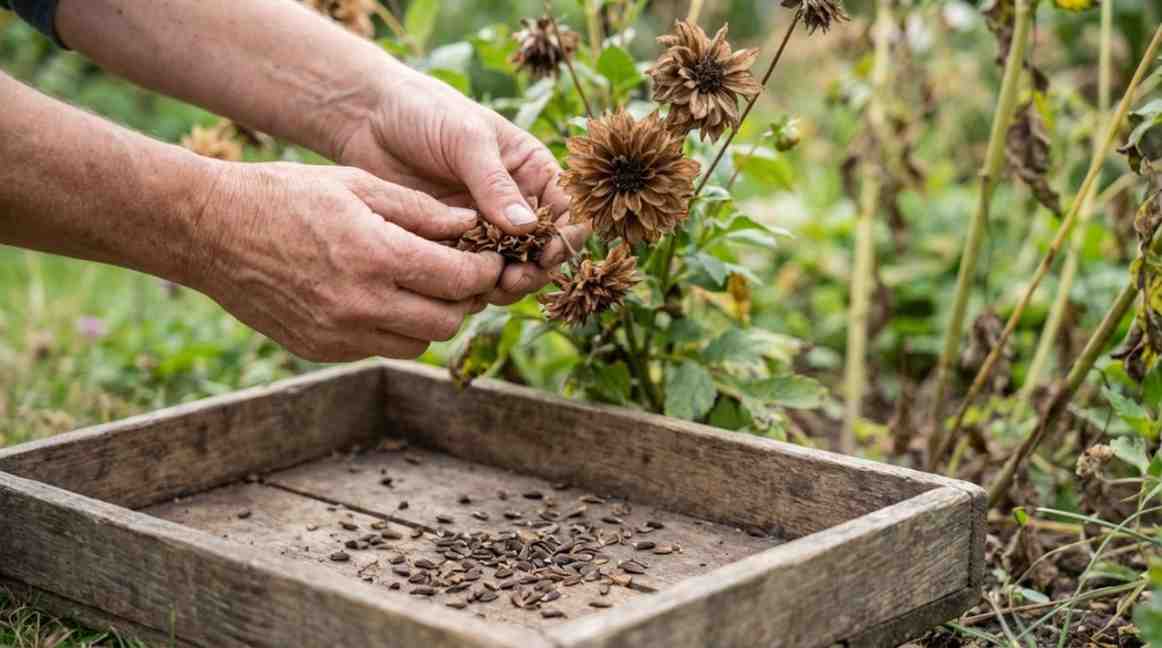
Step 4: Collect Over a Tray
Seeds are lightweight and fall easily. A tray prevents loss.
Step 5: Break Seed Heads Gently
Rub dried heads between fingers to release seeds.
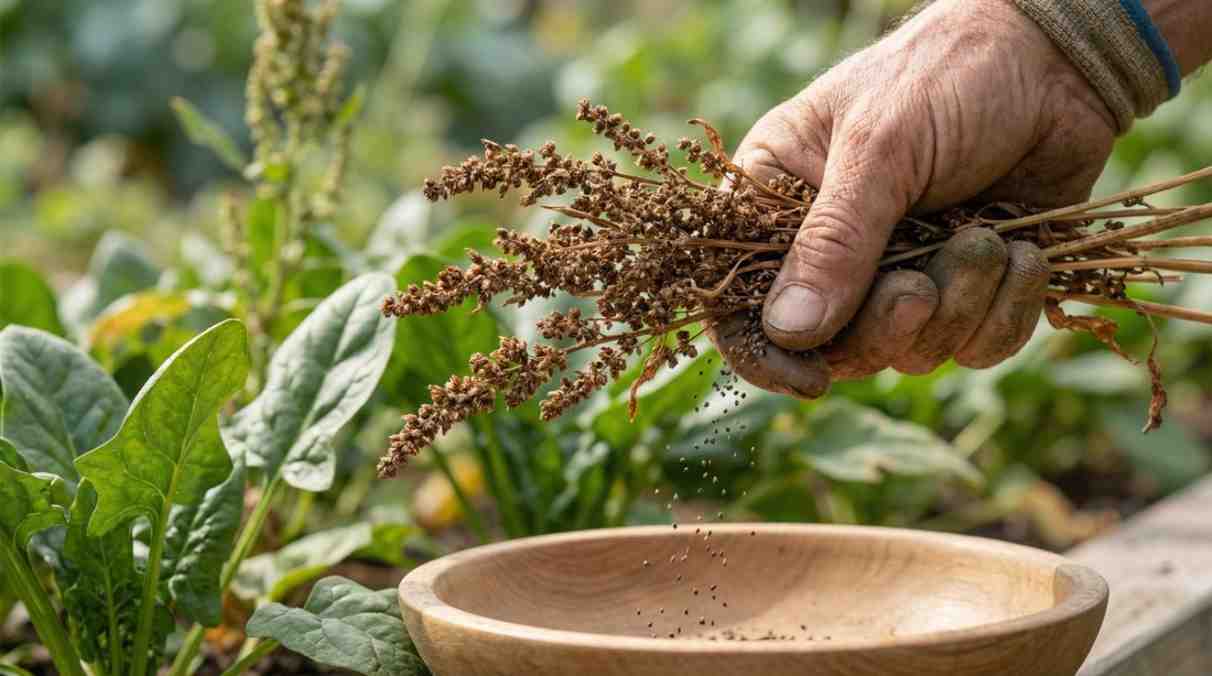
Step 6: Separate Seeds from Chaff
Blow gently or shake to remove debris.
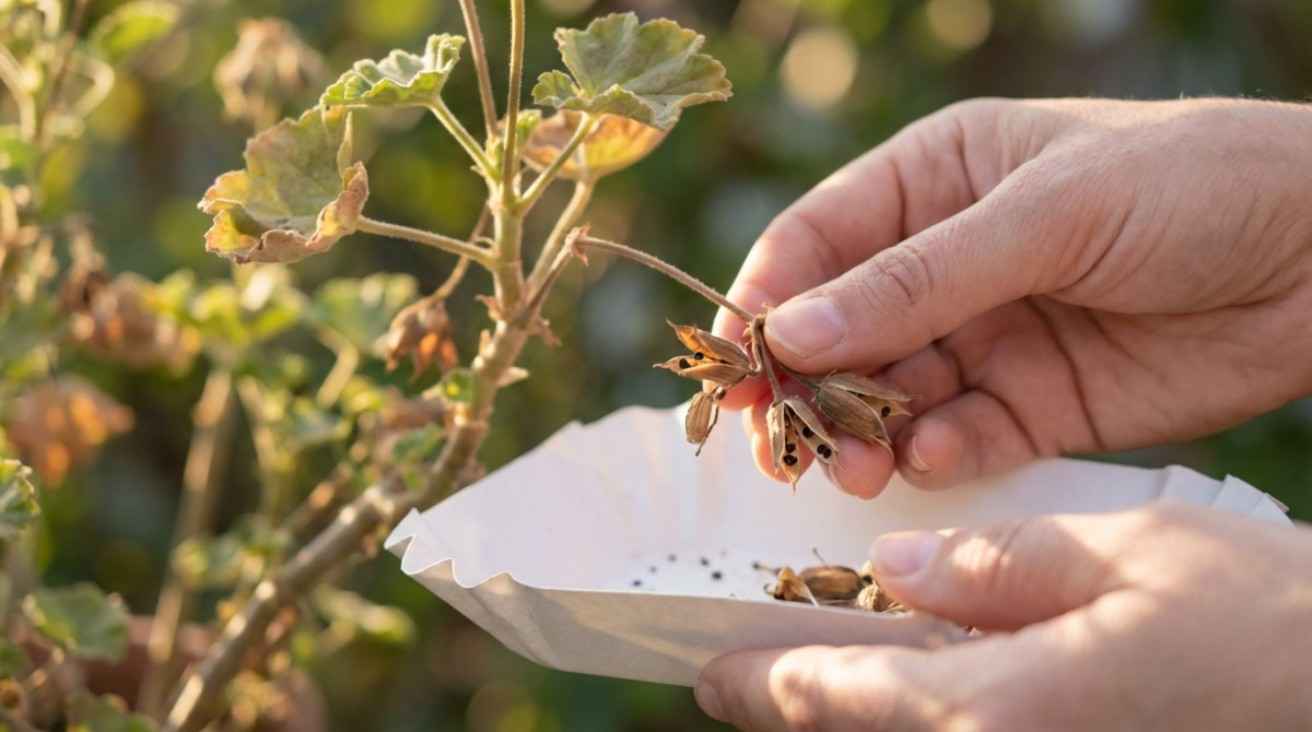
Step 7: Air-Dry Seeds Indoors
Spread seeds in a thin layer for several days.
Step 8: Check Seed Hardness
Seeds should feel firm and snap slightly when pressed.
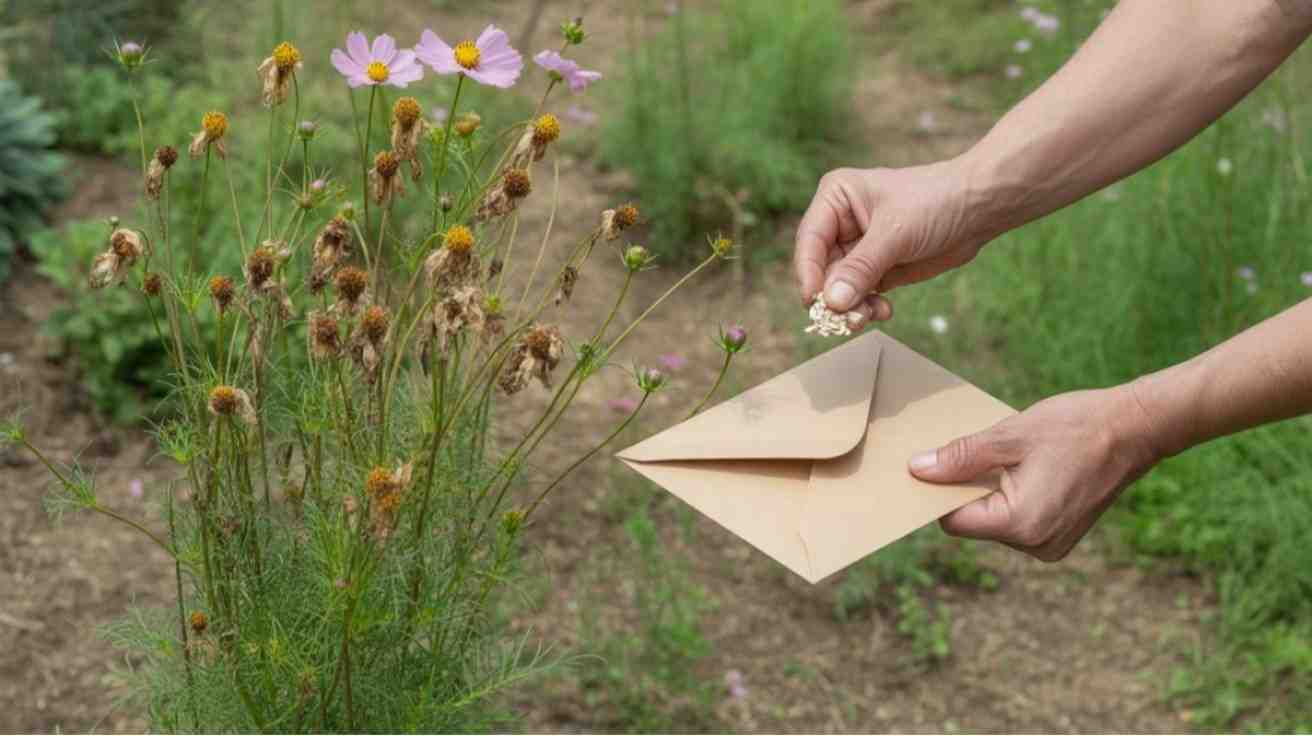
Step 9: Store Properly
Place seeds in labeled paper envelopes.
Each step supports long-term success when learning how to collect mum seeds effectively.

Ideal Drying Conditions for Mum Seeds
| Factor | Recommended Condition |
|---|---|
| Light | Indirect only |
| Humidity | Low |
| Airflow | Consistent |
| Temperature | Room temperature |
Drying Mum Seeds Correctly
Drying stabilizes seeds and prevents internal decay.
Correct drying methods:
- Indoor shaded location
- Single-layer drying
- No direct sunlight
- Good air circulation
Seeds that remain soft or bend easily are not fully dried and should not be stored.
Cleaning Mum Seeds for Storage
Clean seeds store better and resist mold.
Cleaning steps include:
- Removing all plant debris
- Discarding cracked seeds
- Separating undersized seeds
- Ensuring complete dryness
Clean seeds reflect proper technique in how to collect mum seeds and improve long-term results.
Storing Mum Seeds Safely
Storage conditions directly affect seed lifespan.
Proper storage includes:
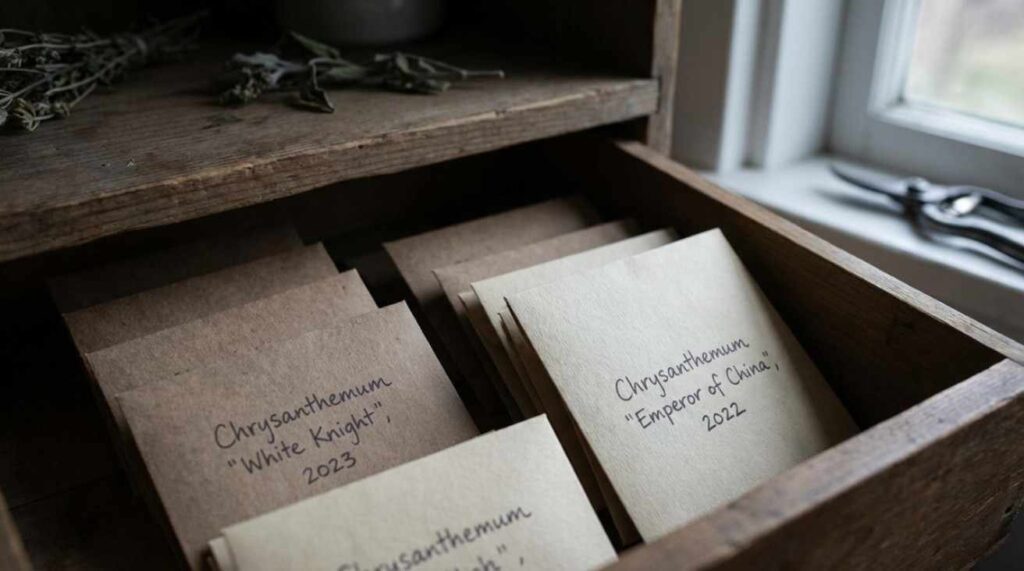
- Paper envelopes
- Cool, dry environment
- Dark location
- Clear labeling
Avoid airtight plastic containers unless seeds are fully dried and humidity is controlled.
How Long Mum Seeds Remain Viable
Under proper storage conditions, mum seeds remain viable for:
- 2–3 years under normal storage
- Up to 4 years in ideal conditions
Germination rates slowly decline with age, but careful handling preserves quality.
Growing Mums from Saved Seeds
Seeds produce variation, unlike cuttings.
Expect:
- Differences in flower color
- Variation in bloom size
- Unique plant traits
- Natural selection over time
Understanding how to collect mum seeds allows gardeners to experiment with new forms.
Common Errors When Collecting Mum Seeds
Even experienced growers make mistakes.
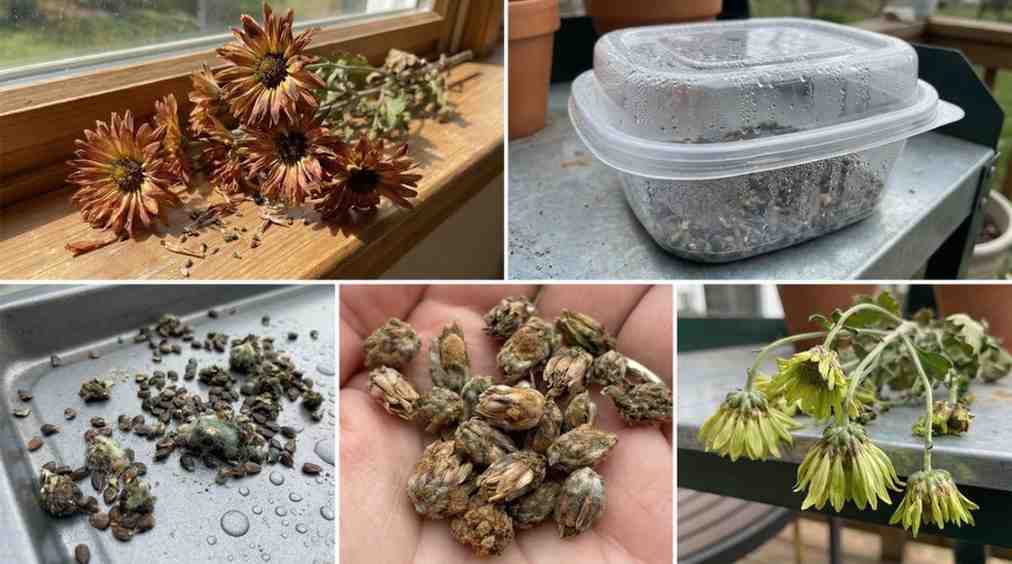
Frequent errors include:
- Harvesting before full drying
- Drying seeds in sunlight
- Storing seeds while damp
- Using sealed plastic containers
Each error reduces seed longevity and germination strength.
Seed Collection Mistakes vs Outcomes
| Mistake | Result |
|---|---|
| Early harvesting | Weak or non-viable seeds |
| Sun drying | Seed damage |
| Moist storage | Mold growth |
| Plastic containers | Condensation buildup |
Environmental Factors Affecting Seed Quality
External conditions influence seed development.
Important factors include:
- Late-season temperatures
- Moisture levels
- Wind exposure
- Plant health
Healthy parent plants produce stronger seeds, improving results when learning how to collect mum seeds.
Mum Seeds vs Cuttings
| Aspect | Seeds | Cuttings |
|---|---|---|
| Genetic variation | High | Low |
| Cost | Low | Moderate |
| Growth speed | Slower | Faster |
| Experimentation | High | Limited |
FAQs
1. What signals show mum seeds are ready for harvest?
Seeds are ready when flower heads dry fully, turn brown, and release seeds easily by hand.
2. Can mum seeds be planted immediately after collection?
Drying improves handling and storage, though immediate planting remains possible.
3. Do mum seeds require special treatment before storage?
No special treatment is needed beyond proper drying and cleaning.
4. Why do mum seedlings look different from parent plants?
Seed-grown mums show genetic variation, unlike cuttings.
5. Can hybrid mums produce viable seeds?
Hybrid seeds grow, but traits may differ from the parent plant.