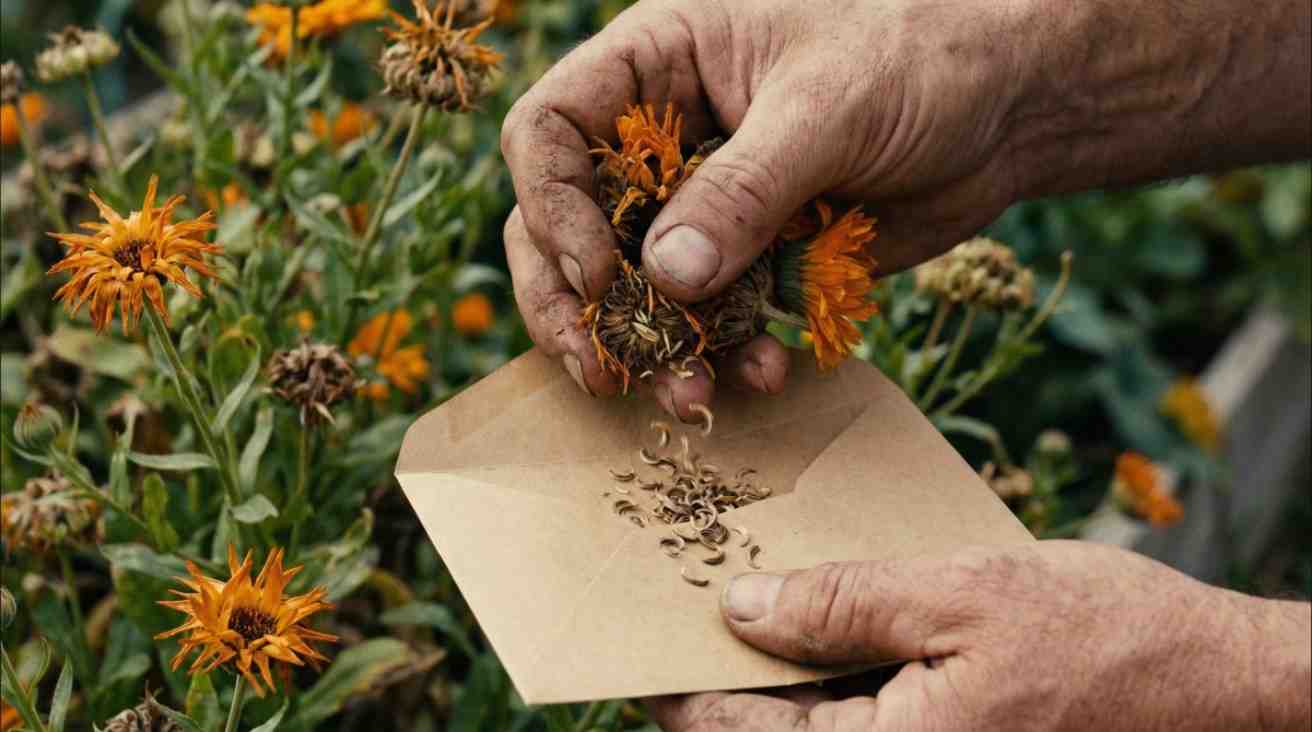
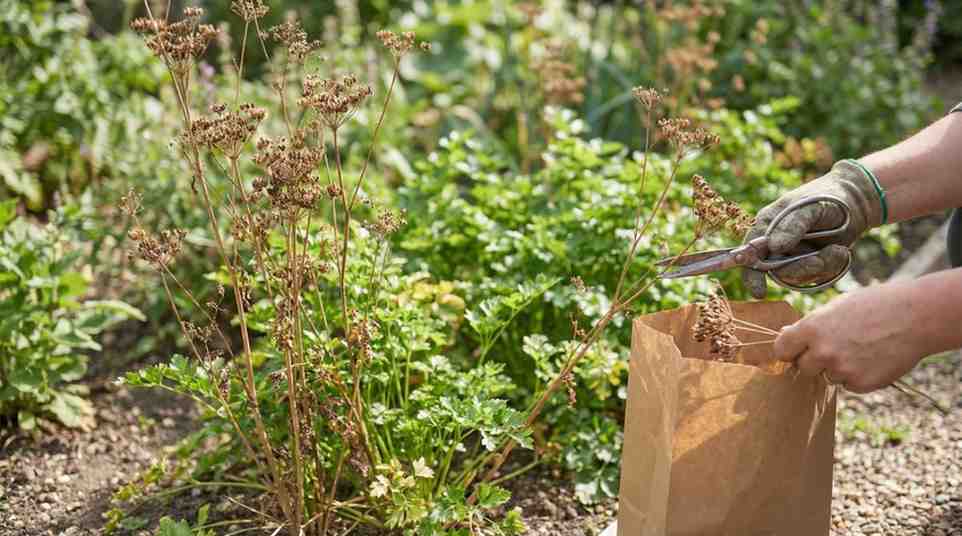
Seed saving becomes simple when you know the right method how to collect bee balm seeds correctly ensures healthy growth and strong germination next season.
How to Collect Bee Balm Seeds
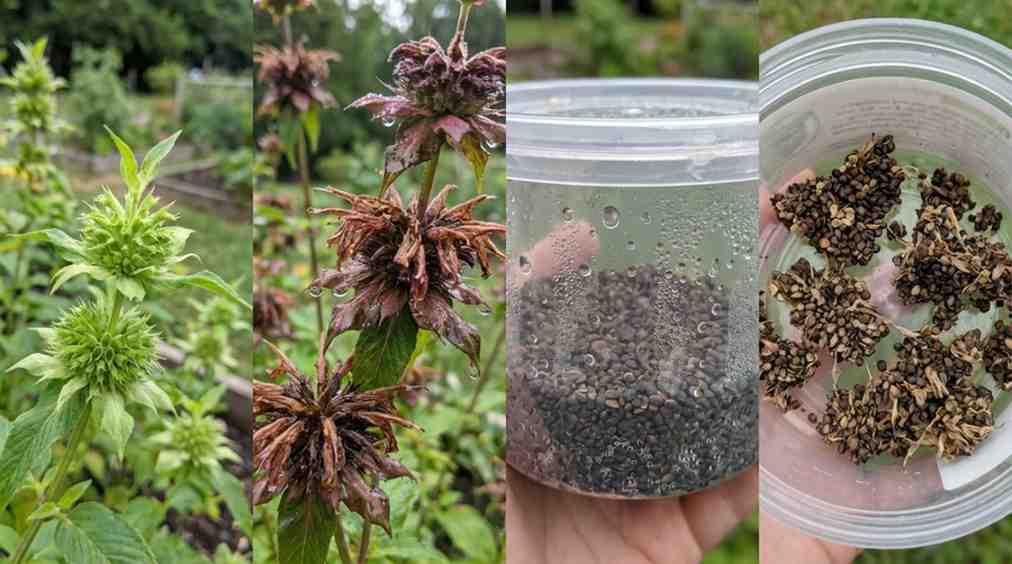
Bee balm is a generous flowering plant that produces usable seeds every season. Knowing how to collect bee balm seeds correctly helps gardeners grow new plants without buying fresh seed packets. The process is simple, but timing and handling matter. This guide explains how to collect bee balm seeds in a clear, practical way so seeds stay viable and easy to grow.
Seed Collection Overview
| Stage | What to Look For | Why It Matters |
|---|---|---|
| Flowering ends | Petals dry and fall | Seed development begins |
| Seed heads brown | Dry, papery texture | Seeds are mature |
| Dry weather day | No rain or moisture | Prevents mold |
| Gentle handling | Seeds release easily | Reduces damage |
Bee balm seed harvesting works best when all stages are followed in order.
What Is Bee Balm and How Seeds Develop
Bee balm (Monarda) is a perennial flowering plant known for its spiky blooms and pollinator appeal. After flowering finishes, the plant shifts energy toward seed production.
Seed formation follows a clear pattern:
- Flowers fade and dry
- Central seed heads remain
- Seeds mature inside dry flower structures
Understanding this cycle makes it easier to know how to collect bee balm seeds without guessing.
Bee balm seed heads are exposed and lightweight, which means:
- Seeds drop easily if left too long
- Wind can scatter mature seeds
- Early harvesting leads to poor germination
Correct timing directly affects seed quality.
When to Collect Bee Balm Seeds for Best Results
Timing is the most important factor when learning how to collect bee balm seeds.
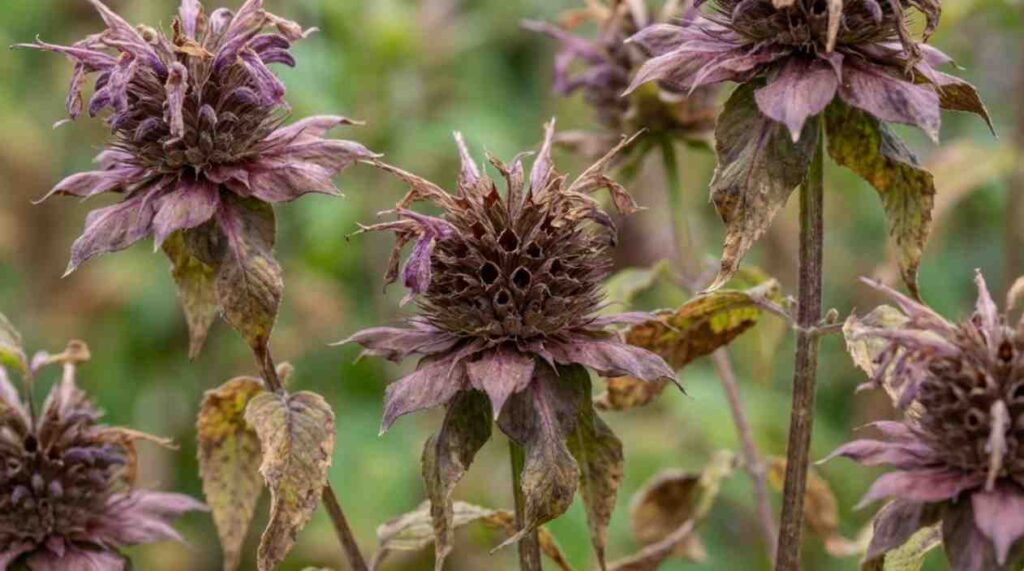
Seeds are ready when:
- Flower heads turn fully brown
- Texture feels dry and crisp
- Seeds loosen with gentle pressure
Avoid collecting when:
- Seed heads are still green
- Weather is damp or humid
- Flowers recently finished blooming
Collecting bee balm seeds too early results in weak or empty seeds.
Signs seeds are mature:
- Seed heads crumble slightly
- Small black or dark-brown seeds visible
- No moisture inside the flower head
Late summer to early fall is the most common collection window.
Tools Needed to Collect Bee Balm Seeds
You do not need specialized equipment. Basic items work well.
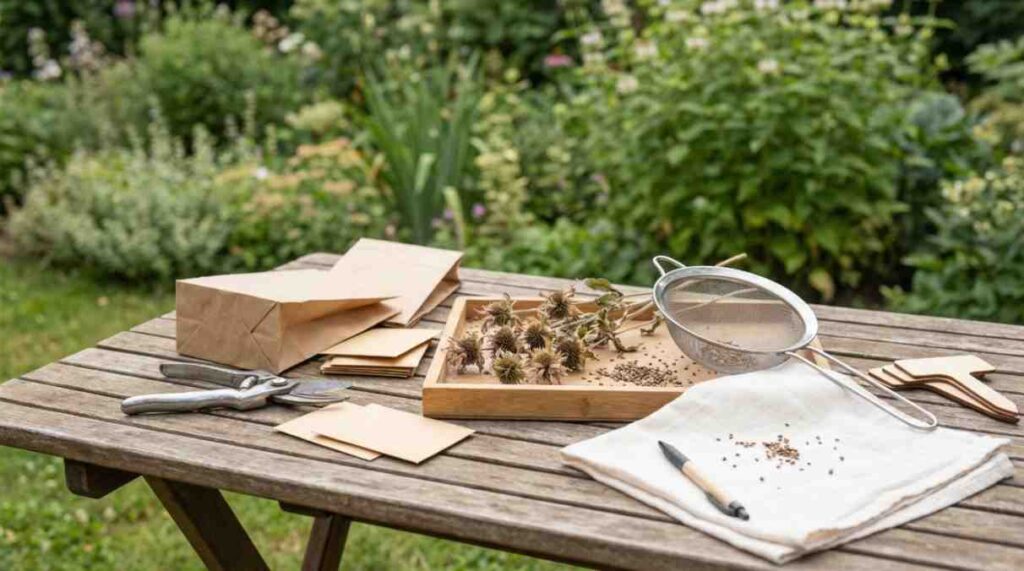
Required tools:
- Sharp scissors or pruners
- Paper bags or envelopes
- Flat tray or shallow bowl
- Labels and pen
Optional tools:
- Fine mesh strainer
- Clean cloth
Paper containers are preferred because they reduce moisture buildup.
How to Collect Bee Balm Seeds Step by Step
This section explains how to collect bee balm seeds clearly and safely.
Step 1: Select Mature Seed Heads
- Choose dry, brown flower heads
- Avoid damaged or moldy heads
Step 2: Cut the Seed Heads
- Cut stems below the seed head
- Keep handling gentle
Step 3: Contain the Seeds
- Place heads inside paper bags
- Close loosely to allow airflow
Step 4: Release the Seeds
- Gently crush seed heads by hand
- Shake lightly to separate seeds
Step 5: Remove Debris
- Discard dry petals and stems
- Keep only firm, dark seeds
This method prevents seed loss and protects viability.
Drying and Cleaning Bee Balm Seeds
Drying is essential after learning how to collect bee balm seeds.
Drying process:
- Spread seeds in a single layer
- Keep in a dry, shaded area
- Allow 7–10 days to fully dry
Cleaning process:
- Remove remaining plant matter
- Avoid washing seeds
- Handle minimally
Seeds must be completely dry before storage to prevent rot.
Bee Balm Seed Storage Conditions
Proper storage protects the effort put into how to collect bee balm seeds.
| Storage Factor | Ideal Condition |
|---|---|
| Container | Paper envelope or glass jar |
| Temperature | Cool and stable |
| Light | Dark location |
| Moisture | Completely dry |
Label each container with:
- Plant name
- Collection date
Correct storage extends seed life significantly.
How Long Bee Balm Seeds Remain Viable
Bee balm seeds typically remain viable for:
- 1–2 years under good storage
- Shorter lifespan in warm or humid conditions
Factors affecting viability:
- Moisture exposure
- Heat
- Light
Fresh seeds always produce better germination results.
Common Mistakes When Collecting Bee Balm Seeds
Avoid these errors when practicing how to collect bee balm seeds:
- Collecting green seed heads
- Harvesting after heavy rain
- Storing seeds before drying
- Using plastic containers
Each mistake reduces germination success.
Seed Collection Comparison Table
| Method | Result | Risk Level |
|---|---|---|
| Early collection | Immature seeds | High |
| Dry weather harvest | Healthy seeds | Low |
| Damp conditions | Mold risk | High |
| Proper storage | Long viability | Low |
FAQs
1. Can beginners learn how to collect bee balm seeds easily?
Yes. Bee balm clearly shows when seeds are ready, making the process beginner-friendly.
2. Can collected bee balm seeds be planted immediately?
They can, but planting in the next growing season usually gives better results.
3. Do bee balm seeds require special treatment before planting?
Most varieties grow without special treatment if seeds are mature and dry.
4. Will bee balm grown from seed look the same as the parent plant?
Seed-grown plants may show slight variations in color or size.