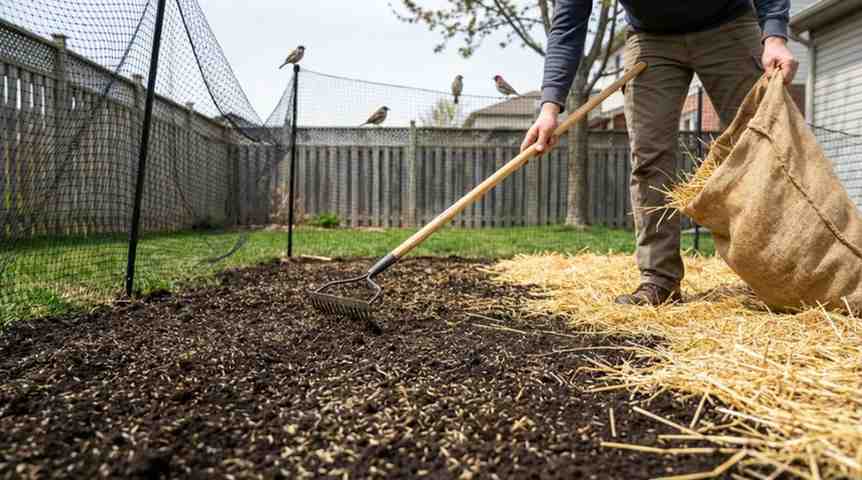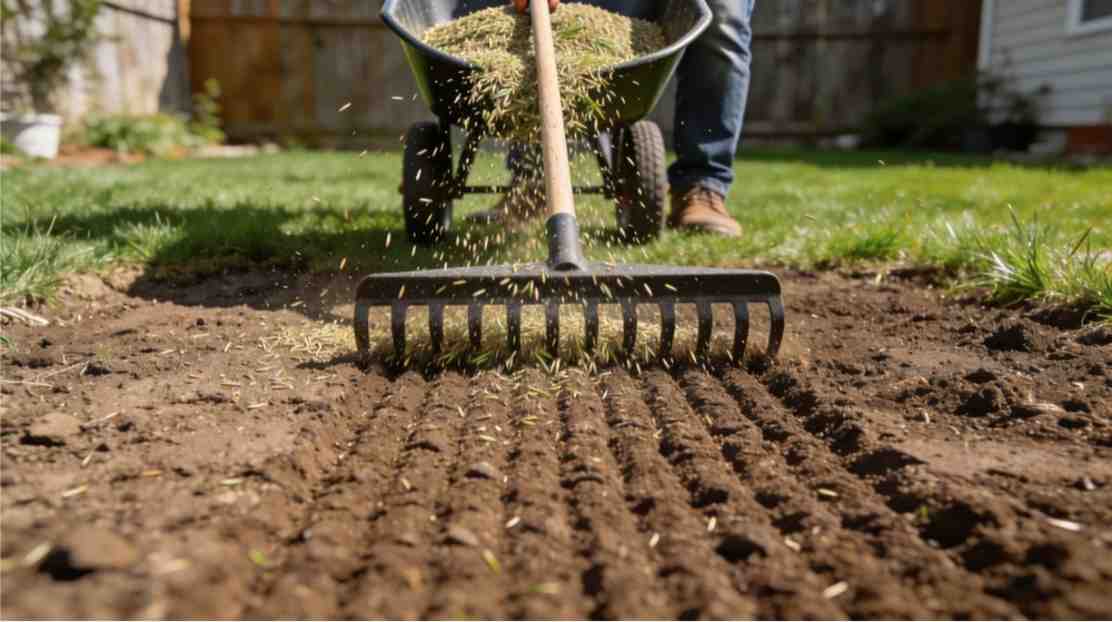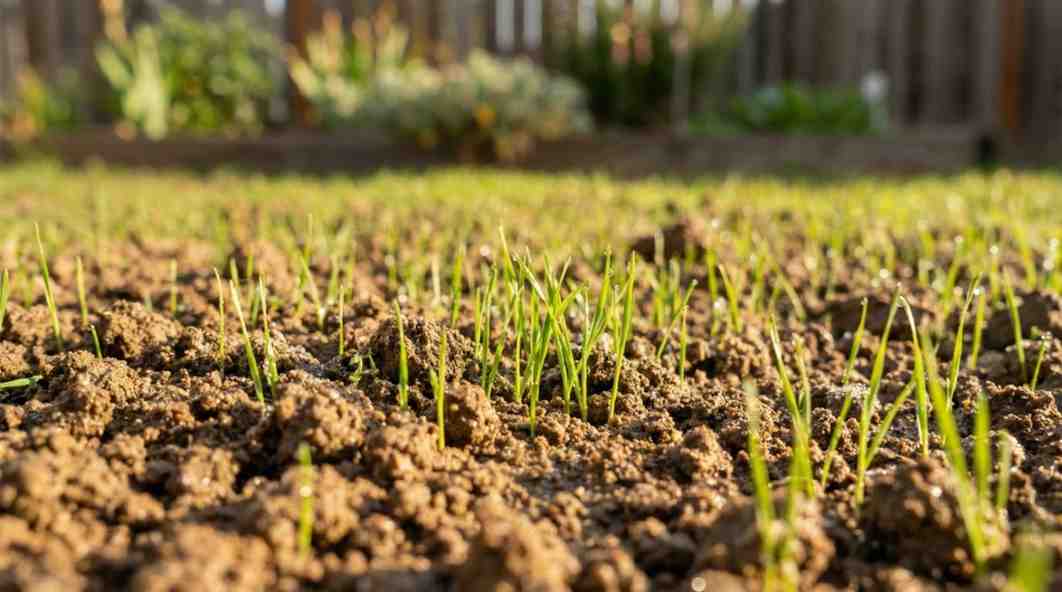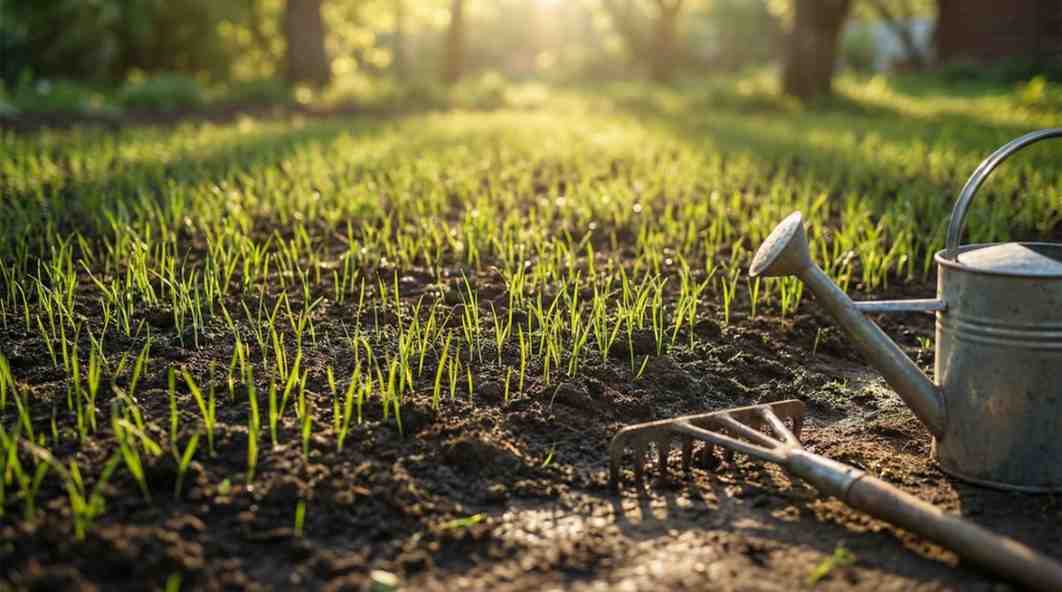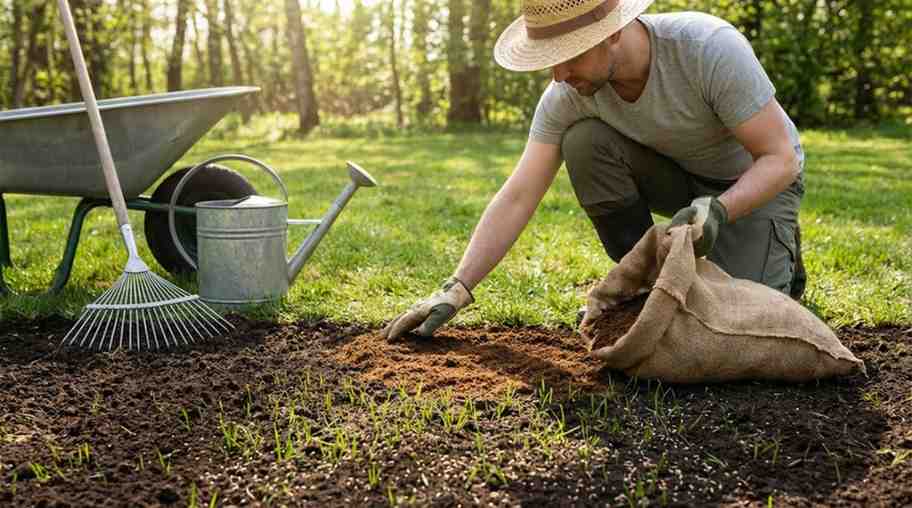
Correct peat moss thickness improves germination and moisture control. Proper amount explains how much peat moss to cover grass seed for faster lawn growth.
How Much Peat Moss to Cover Grass Seed
Planting a lawn becomes easier when you know how much peat moss to cover grass seed correctly. A thin layer improves moisture retention and helps seeds sprout faster. Too much peat moss slows growth, while too little exposes seeds. Understanding how much peat moss to cover grass seed helps improve germination rate, protect seeds, and support even lawn growth.
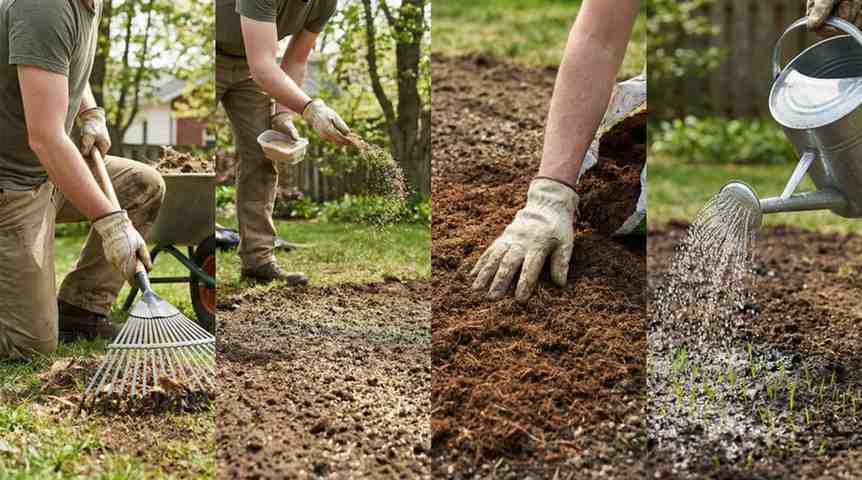
Soil and Peat Moss Application Steps
| Step | Purpose | Benefit for Lawn Growth |
|---|---|---|
| Prepare soil surface | Remove debris and weeds | Improves seed-to-soil contact |
| Spread grass seed evenly | Ensure uniform distribution | Promotes even lawn growth |
| Apply thin peat moss layer (1/8–1/4 inch) | Cover seeds properly | Maintains moisture and protects seeds |
| Water lightly | Keep soil moist | Improves germination rate |
| Maintain moisture daily | Prevent drying | Supports root development |
How Much Peat Moss to Cover Grass Seed
Knowing the correct amount prevents germination problems and supports healthy lawn establishment.
- Recommended thickness:
- 1/8 to 1/4 inch peat moss layer
- Allows sunlight and airflow
- Prevents seed suffocation
- Coverage rate:
- 1 cubic foot covers about 100–150 square feet
- Depends on soil condition and lawn surface
- Why thin layer matters:
- Improves moisture retention
- Supports seed-to-soil contact
- Protects seeds from wind and birds
- Too much peat moss causes:
- Slow grass seed germination
- Weak root penetration
- Uneven lawn growth
Using the right peat moss coverage rate ensures proper lawn seeding success and balanced soil moisture.
Why Knowing How Much Peat Moss to Cover Grass Seed Matters
Using the correct amount directly impacts lawn quality.
- Moisture retention
- Keeps seeds hydrated
- Prevents drying
- Seed protection
- Reduces erosion risk
- Protects from temperature changes
- Improves germination speed
- Supports faster sprouting
- Enhances root development
- Improves soil structure
- Adds organic material
- Enhances soil aeration
Understanding how much peat moss to cover grass seed ensures better lawn soil improvement and healthy grass growth.
How to Calculate How Much Peat Moss to Cover Grass Seed
Proper calculation prevents waste and ensures even application.
Measure Lawn Area
- Length × width = square feet
- Determines peat moss quantity
Estimate Coverage
- 1 cubic foot covers 100–150 sq ft
- Adjust based on soil condition
Simple Calculation Table
| Lawn Size (sq ft) | Peat Moss Required |
|---|---|
| 500 sq ft | 4–5 cubic feet |
| 1000 sq ft | 7–10 cubic feet |
| 2000 sq ft | 15–20 cubic feet |
Factors Affecting Coverage
- Soil type
- Lawn condition
- Overseeding vs new lawn
Correct lawn area calculation helps determine how much peat moss to cover grass seed accurately.
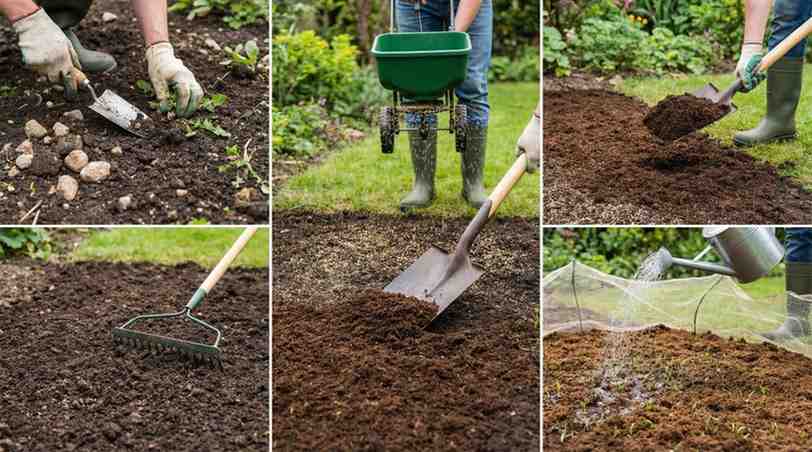
Step-by-Step Guide: Apply Peat Moss Over Grass Seed
Prepare Soil for Lawn Seeding
- Remove rocks and weeds
- Loosen topsoil
- Improve soil structure
Spread Grass Seed
- Distribute seeds evenly
- Ensure proper coverage
Apply Peat Moss Layer
- Spread thin layer evenly
- Maintain correct thickness
Water Newly Seeded Lawn
- Light watering daily
- Maintain soil moisture level
Maintain Lawn Surface
- Prevent drying
- Protect grass seeds
These steps improve lawn establishment and germination success.
Factors That Affect How Much Peat Moss to Cover Grass Seed
Different conditions change how much peat moss is needed.
- Soil type
- Clay soil needs lighter layer
- Sandy soil may require more moisture retention
- Grass seed type
- Fast-growing varieties need less coverage
- Delicate seeds need protection
- Weather conditions
- Hot climate increases moisture loss
- Windy areas require better coverage
- Lawn condition
- Patchy lawns need targeted application
- New lawns require full coverage
Understanding these factors helps optimize peat moss thickness.
Common Mistakes When Deciding How Much Peat Moss to Cover Grass Seed
Avoiding mistakes improves lawn seeding success.
- Applying thick peat moss layer
- Blocks sunlight
- Prevents sprouting
- Uneven spreading
- Causes patchy growth
- Poor soil preparation
- Reduces germination rate
- Overwatering
- Leads to seed rot
- Using wrong covering material
- Reduces seed protection
Correct application ensures healthy lawn development.
Best Alternatives to Peat Moss for Covering Grass Seed
Other materials can replace peat moss.
- Straw
- Prevents erosion
- Lower moisture retention
- Compost
- Adds nutrients
- Improves soil fertility
- Topsoil
- Supports root growth
- Provides structure
Comparison
| Material | Moisture Retention | Seed Protection | Growth Support |
|---|---|---|---|
| Peat Moss | High | Strong | Excellent |
| Straw | Medium | Moderate | Basic |
| Compost | High | Good | Strong |
| Topsoil | Medium | Good | Good |
Peat moss remains one of the most effective covering materials.
Does the Right Amount of Peat Moss Speed Up Grass Seed Growth
Correct application supports faster germination.
- Maintains soil moisture
- Protects seeds from drying
- Improves temperature balance
- Encourages root development
- Enhances germination rate
Proper peat moss thickness helps grass grow evenly.
Expert Lawn Seeding Tips for Better Results
Healthy lawns depend on proper care.
- Water regularly
- Prepare soil properly
- Use starter fertilizer
- Monitor soil moisture
- Maintain lawn surface
Consistent lawn care improves growth and prevents delays.
Grass Seed Covering Thickness Guide
| Condition | Recommended Peat Moss Layer | Expected Result |
|---|---|---|
| New lawn seeding | 1/4 inch | Strong germination |
| Overseeding lawn | 1/8 inch | Even growth |
| Dry climate areas | 1/4 inch | Better moisture retention |
| Moist soil areas | 1/8 inch | Balanced growth |
FAQs
1. How much peat moss to cover grass seed for best results?
A thin layer of 1/8 to 1/4 inch provides enough moisture and allows proper germination.
2. Can you use too much peat moss over grass seed?
Yes, thick layers block sunlight and slow seed sprouting.
3. Do you need peat moss to cover grass seed?
It is not required but improves moisture retention and seed protection.
4. How long does grass seed take to grow with peat moss?
Most grass seeds germinate within 5 to 21 days depending on conditions.
5. Is peat moss better than straw for grass seed covering?
Peat moss holds moisture better, while straw mainly prevents erosion.