Soaking helps sprouting speed. This guide explains How Long to Soak Nasturtium Seeds, ideal timing, risks, and planting steps for healthy germination.
How Long to Soak Nasturtium Seeds
Nasturtium seeds sprout well when handled correctly at the earliest stage. Many gardeners face slow or uneven germination because they skip proper seed preparation. Understanding how long to soak nasturtium seeds improves moisture absorption and supports steady sprouting. This guide explains soaking time, planting steps, and common risks using simple language and proven gardening practices.
Why Nasturtium Seeds Are Often Soaked Before Planting
Nasturtium seeds have a thick, hard outer shell. This coating protects the seed but also slows water entry. Without enough moisture, internal growth takes longer to begin.
Soaking helps by:
- Softening the outer shell
- Speeding up water absorption
- Reducing uneven germination
Gardeners who understand how long to soak nasturtium seeds can avoid slow sprouting and patchy growth. Soaking is especially helpful when soil temperatures are cooler or moisture levels fluctuate. While seeds can sprout without soaking, the process often takes longer and produces uneven results.
How Long to Soak Nasturtium Seeds for Best Results
The recommended soaking window depends on seed condition and water temperature. For most gardeners, 8–12 hours works well.
General soaking guidance:
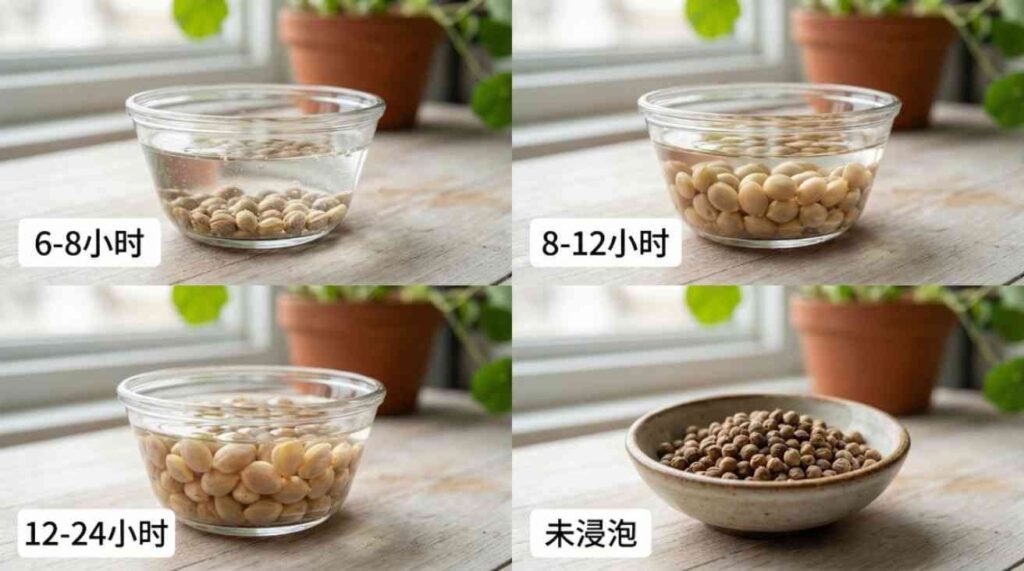
- 6–8 hours – Light softening, slower sprouting
- 8–12 hours – Balanced soaking, improved germination
- 12–24 hours – Higher risk of rot if oxygen drops
Knowing how long to soak nasturtium seeds prevents over-soaking, which can weaken seeds. Seeds should swell slightly but not split open. Once soaking is complete, seeds should be planted without delay to maintain healthy moisture balance.
Water Conditions That Support Proper Seed Soaking
Water quality plays a role in seed preparation.
Use:
- Room-temperature water
- Clean containers
- Enough water to fully submerge seeds
Avoid cold water, which slows absorption, and avoid warm or hot water that may damage the seed. Proper water conditions support consistent soaking when following how long to soak nasturtium seeds correctly.
Step-by-Step Method to Soak Nasturtium Seeds Properly
Follow these steps to soak seeds safely:
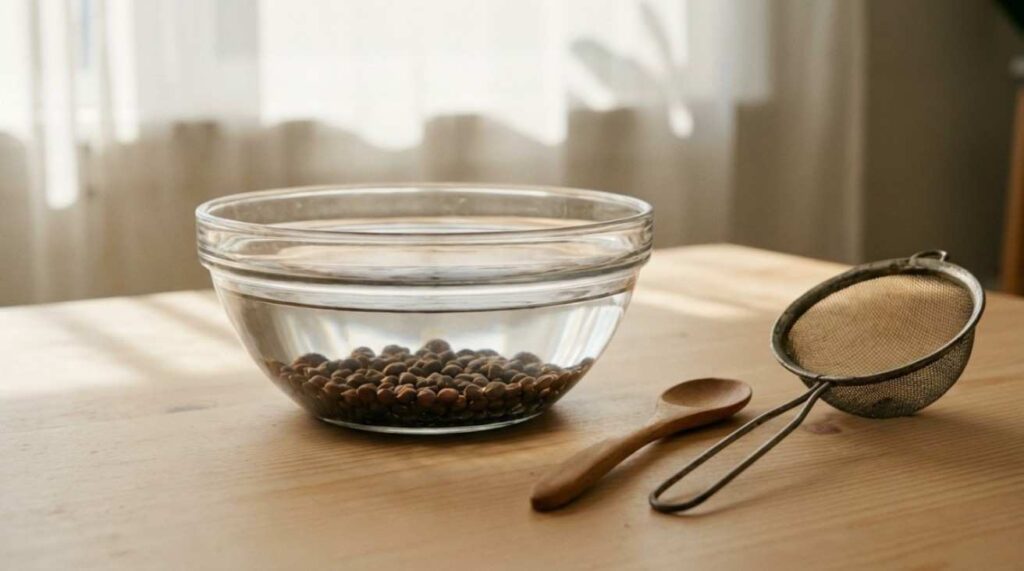
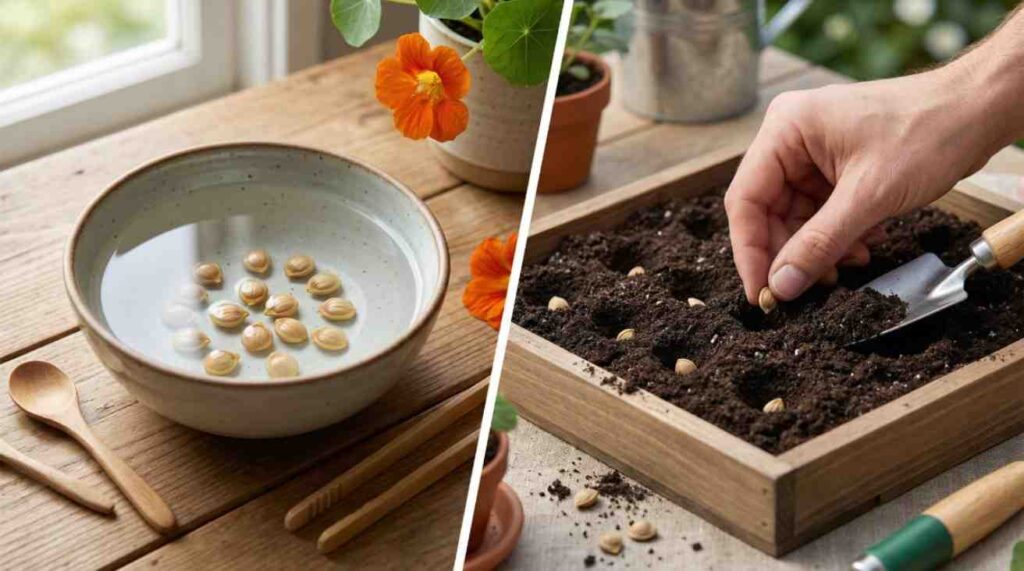
- Place seeds in a shallow bowl
- Add room-temperature water until seeds are covered
- Leave seeds undisturbed for the selected soak time
- Check for slight swelling
- Drain water completely
- Plant seeds immediately after soaking
This process supports moisture uptake while reducing the chance of decay. Correct soaking works best when paired with proper soil preparation and planting depth.
Nasturtium Seed Soaking Time Comparison
| Soaking Duration | Seed Response | Germination Outcome |
|---|---|---|
| 6–8 hours | Light softening | Slower sprouting |
| 8–12 hours | Balanced moisture | Even germination |
| 12–24 hours | Excess moisture | Risk of rot |
| No soaking | Dry seed coat | Delayed emergence |
Balanced soaking delivers the most consistent results when following how long to soak nasturtium seeds accurately.
What Happens If Nasturtium Seeds Are Soaked Too Long
Excess soaking can cause problems. Seeds need oxygen as well as moisture. When submerged too long, oxygen levels drop.
Common issues include:
- Seed rot
- Soft, damaged seed structure
- Uneven or failed germination
Understanding how long to soak nasturtium seeds prevents these issues and protects seed viability.
Soil and Planting Steps After Soaking Nasturtium Seeds
Once soaking is complete, planting should happen immediately.
Planting guidelines:
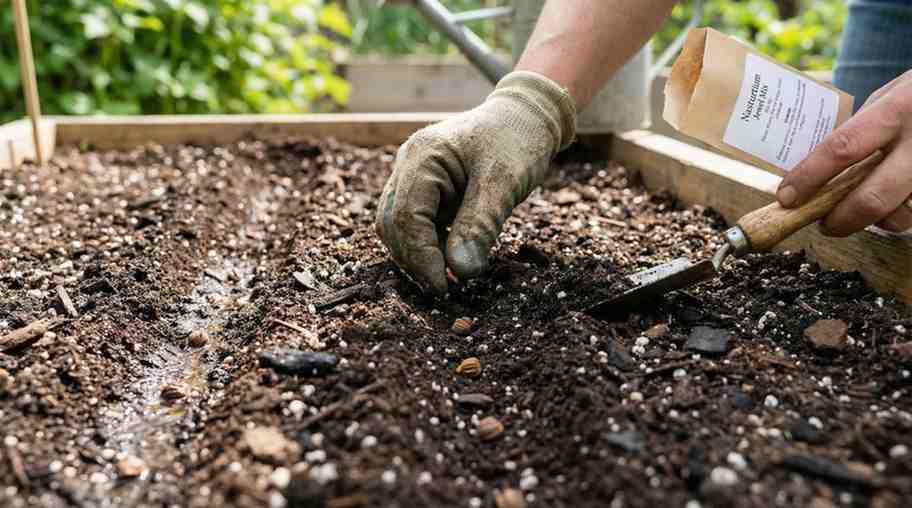
- Use loose, well-drained soil
- Plant seeds about 1 inch deep
- Space seeds evenly
- Keep soil lightly moist, not wet
Seeds started with correct soaking adjust better to soil conditions and begin sprouting within 7–14 days under favorable temperatures.
Common Mistakes When Soaking Nasturtium Seeds
Avoid these frequent errors:
- Soaking longer than recommended
- Using cold water
- Delaying planting after soaking
- Allowing seeds to sit in stagnant water
Each mistake interferes with moisture balance and affects sprouting success. Proper timing matters when applying how long to soak nasturtium seeds.
Soaking vs Direct Sowing Comparison
| Method | Seed Condition | Key Points |
|---|---|---|
| Soaking | Pre-hydrated seeds | Faster sprouting, more even germination, low risk if timed correctly |
| Soaking | Softened seed coat | Predictable sprouting, medium risk if over-soaked |
| Soaking | Moist internal structure | Short pre-plant step, consistent results, low risk |
| Direct Sowing | Dry seeds | Slower sprouting, uneven germination, low risk |
| Direct Sowing | Hard seed coat | Natural moisture only, less predictable, low risk |
| Direct Sowing | Untreated seeds | Simple process, slow and variable results, low risk |
FAQs
1. How long to soak nasturtium seeds before planting?
Most gardeners soak seeds for 8–12 hours to support even moisture absorption.
2. Can nasturtium seeds be soaked overnight?
Yes. Overnight soaking usually fits within the safe soaking window.
3. Do nasturtium seeds need soaking to germinate?
No, but soaking often speeds up germination and improves uniformity.
4. What happens if seeds soak too long?
Extended soaking can reduce oxygen and increase the risk of seed decay.
5. Should soaked seeds be planted immediately?
Yes. Planting right after soaking protects seed structure and moisture balance.