Germination time explained with factors affecting how long does it take to germinate a pot seed, ideal conditions, sprouting stages, and growth tips.
How Long Does It Take to Germinate a Pot Seed
How long does it take to germinate a pot seed is one of the most common questions beginners ask. Germination time depends on temperature, moisture, seed quality, and growing method. Most pot seeds sprout within a few days, but delays can happen. Understanding the exact timeline helps improve success rates and avoid common mistakes.
Germination Time Overview
| Stage | Process Details | Expected Time |
|---|---|---|
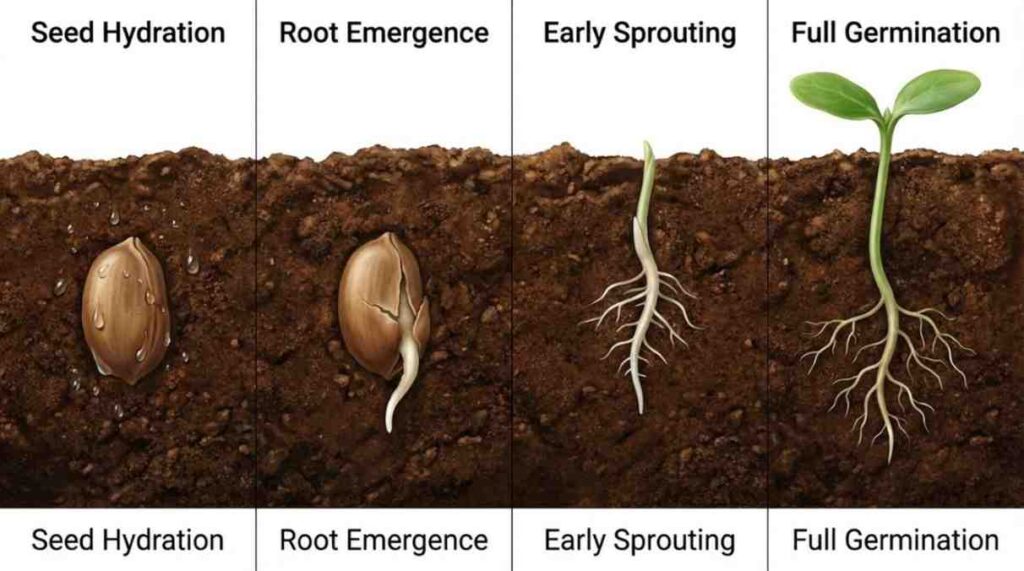
| Seed hydration | Seed absorbs water and outer shell softens | 12–24 hours |
| Root emergence | Taproot begins to break through shell | 1–3 days |
| Early sprouting | Small root grows and seeks moisture | 3–7 days |
| Full germination | Seedling becomes visible above medium | 5–10 days |
Key point: How long does it take to germinate a pot seed usually ranges from 3–10 days under proper conditions.
Factors That Affect How Long Does It Take to Germinate a Pot Seed
Temperature Conditions
- Warm temperature speeds up germination
- Ideal range: 20–25°C (68–77°F)
- Cold conditions slow root development
- Extreme heat damages seed cells
Moisture Level
- Consistent moisture triggers seed activation
- Too much water causes rotting
- Dry conditions stop sprouting
Seed Quality
- Fresh seeds germinate faster
- Old or damaged seeds take longer
- Healthy outer shell improves success rate
Oxygen Availability
- Seeds require airflow for growth
- Overwatering blocks oxygen supply
Important: Environmental balance determines how long does it take to germinate a pot seed more than any single factor.
Germination Methods and Time Comparison
| Method | Procedure | Average Germination Time | Success Rate |
|---|---|---|---|
| Paper towel method | Seed placed in moist towel | 2–5 days | High |
| Direct soil method | Seed planted directly in medium | 5–10 days | Moderate |
| Water soaking method | Seed soaked before planting | 1–4 days | High if monitored |
| Starter cubes method | Seed placed in moist cubes | 3–7 days | Very high |
Observation: Controlled methods reduce how long does it take to germinate a pot seed.
Step-by-Step Germination Process
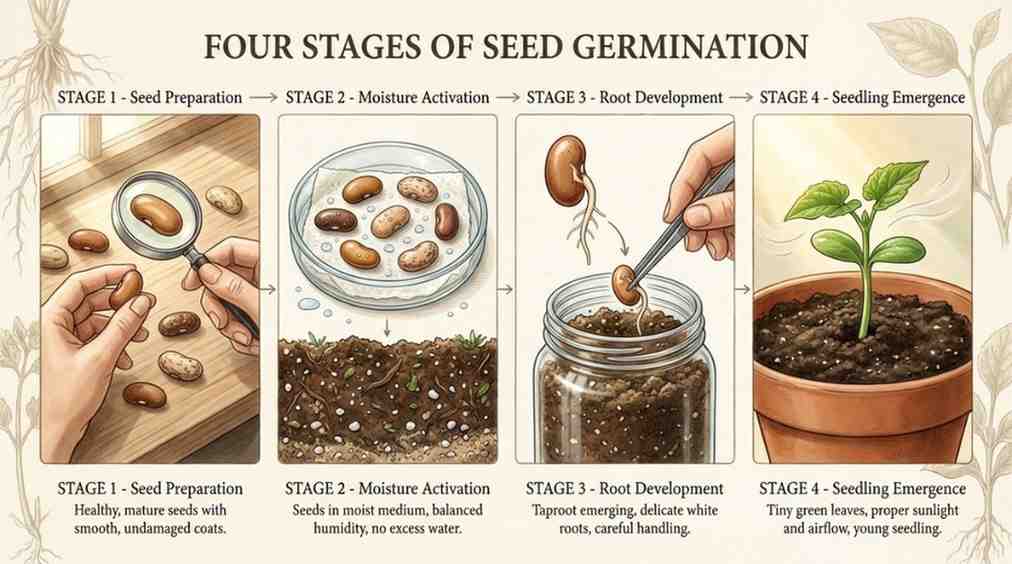
Seed Preparation
- Choose healthy and mature seeds
- Check for cracks or damage
- Keep seeds at room temperature
Moisture Activation
- Place seed in moist medium
- Maintain balanced humidity
- Avoid excessive water
Root Development
- Taproot appears first
- Handle carefully during transfer
Seedling Emergence
- Leaves begin forming
- Requires light and airflow
Understanding each stage helps predict how long does it take to germinate a pot seed accurately.
Common Problems That Delay Germination
- Low temperature slows metabolic activity
- Overwatering causes seed rot
- Poor quality seeds fail to sprout
- Lack of oxygen prevents root growth
- Hard seed shell blocks emergence
These issues can increase how long does it take to germinate a pot seed or stop germination completely.
Signs of Successful Germination
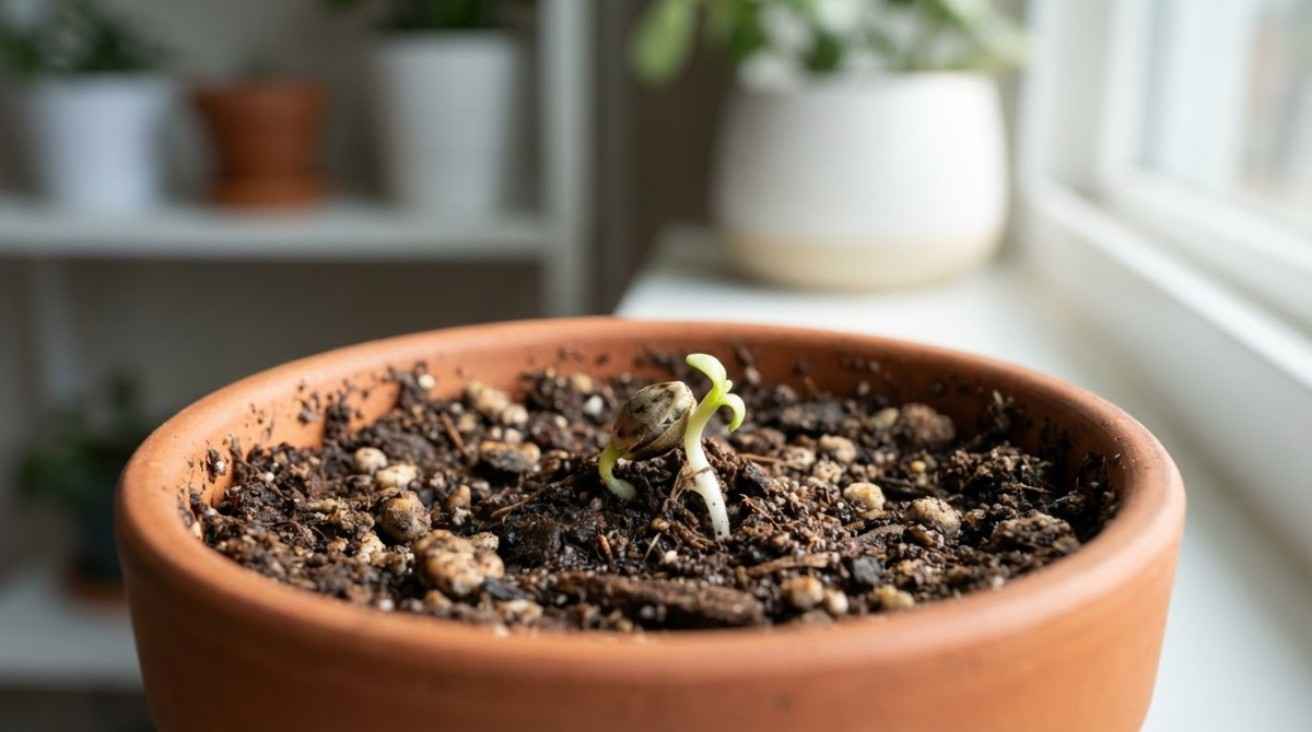
- Seed shell cracks open
- White taproot becomes visible
- Root grows downward
- Seedling pushes upward
- Green leaves begin forming
Healthy development indicates normal timing.
Expected Germination Timeline by Condition
| Growing Condition | Environment Quality | Expected Time Range |
|---|---|---|
| Ideal temperature + moisture | Balanced conditions | 3–5 days |
| Moderate conditions | Average care | 5–7 days |
| Poor conditions | Low warmth or excess water | 7–14 days |
| Old seeds | Reduced viability | 10+ days or failure |
Result: Environment strongly influences how long does it take to germinate a pot seed.
How to Speed Up Germination Naturally
Maintain Stable Temperature
- Keep environment warm
- Avoid sudden changes
Control Moisture
- Keep medium damp
- Prevent waterlogging
Use Quality Growing Medium
- Loose and breathable structure
- Supports root growth
Handle Seeds Carefully
- Avoid touching taproot
- Reduce stress during transfer
These steps shorten germination time and improve success.
Environmental Requirements for Faster Sprouting
- Humidity: 70–90% for activation
- Temperature: Stable warmth improves speed
- Airflow: Prevents fungal growth
- Darkness: Helps early root development
Balanced conditions reduce delays.
Understanding the Germination Biology
Seed germination begins when water activates enzymes inside the seed. Stored nutrients convert into energy, allowing root growth. The taproot anchors the plant and absorbs nutrients.
The process includes:
- Water absorption
- Cell expansion
- Root emergence
- Shoot development
Biological activity explains how long does it take to germinate a pot seed under different environments.
Mistakes to Avoid During Germination
- Planting seed too deep
- Excessive handling
- Inconsistent watering
- Extreme temperature exposure
- Using contaminated medium
Avoiding these errors improves sprouting speed.
Growth After Germination
After sprouting:
- Seedling requires light
- Roots expand rapidly
- Leaves begin photosynthesis
- Growth rate increases daily
Early care affects future plant development.
Germination Success Indicators
- Fast root growth
- Healthy white taproot
- Strong seedling structure
- No discoloration
- Stable growth pattern
These signs confirm successful germination.
Advanced Timing Insights
Fresh vs Old Seeds
- Fresh seeds germinate quickly
- Older seeds require more time
Indoor vs Outdoor Conditions
- Controlled indoor environments speed germination
- Outdoor environments cause variation
Genetic Variation
- Some seed types naturally sprout faster
- Others require longer activation time
Different conditions explain variation in germination time.
FAQs
1. How long does it take to germinate a pot seed in normal conditions?
Most seeds germinate within 3–10 days depending on temperature, moisture, and seed quality.
2. Can germination happen in 24 hours?
Some seeds show early cracking within 24 hours, but full sprouting usually takes several days.
3. Why is my seed not germinating?
Common reasons include poor seed quality, low temperature, excess water, or lack of oxygen.
4. Does soaking seeds reduce germination time?
Soaking helps soften the shell and may speed up sprouting if done properly.
5. What temperature is best for germination?
A stable range of 20–25°C supports faster and healthy germination.