Proper harvesting and storage methods ensure how to save green bean seeds for next year delivers strong germination, seed quality, and reliable future planting.
How to Save Green Bean Seeds for Next Year
Saving your own seeds helps maintain plant quality while reducing yearly gardening costs. Understanding how to save green bean seeds for next year allows gardeners to reuse strong, locally adapted seeds instead of relying on commercial packets. Green bean plants are ideal for seed saving because their pods clearly signal maturity. With proper harvesting, drying, and storage, saved seeds remain dependable for future planting seasons.
Quick Overview of Green Bean Seed Saving Stages
| Stage | What Happens | Why It Matters |
|---|---|---|
| Pods mature | Pods dry on plant | Seeds reach full strength |
| Harvest timing | Pods turn brown | Prevents weak seeds |
| Drying phase | Moisture removed | Reduces spoilage risk |
| Cleaning | Debris removed | Improves storage safety |
| Storage | Cool and dry | Maintains long-term viability |
Correct timing forms the foundation of how to save green bean seeds for next year successfully.
Understanding Green Bean Seed Development
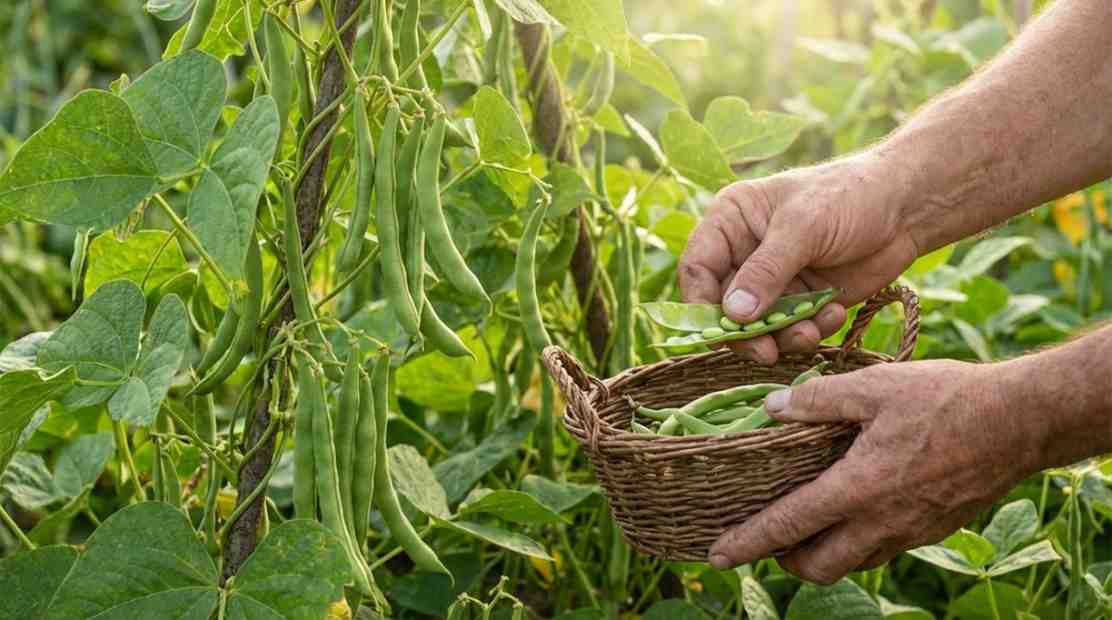
Green bean seeds form inside pods that must stay on the plant beyond the eating stage. Early harvesting interrupts seed maturity and reduces future sprouting.
Seed maturity indicators include:
- Pods turning tan or brown
- Pods becoming brittle
- Seeds feeling hard inside pods
Green beans are ideal for seed saving because:
- They self-pollinate
- Seeds are large and easy to inspect
- Dry pods signal readiness clearly
Allowing pods to mature fully ensures stored seeds contain enough energy for next season planting.
Choosing the Right Green Bean Plants for Seeds
Not every plant should be used for seed saving. Strong plants produce stronger seeds.
Select plants that show:
- Healthy leaf growth
- Consistent pod production
- No visible disease
- Normal pod shape
Avoid saving seeds from plants that:
- Show stunted growth
- Produce misshapen pods
- Exhibit pest damage
Saving seeds only from strong plants improves results when practicing how to save green bean seeds for next year.
When to Harvest Green Bean Pods for Seeds
Timing is critical. Harvesting too early leads to poor germination.
Correct harvest window:
- Pods are dry and brown
- Pods rattle when shaken
- Pods split easily by hand
Avoid harvesting when:
- Pods are still green
- Pods bend instead of snap
- Moisture is present
Leaving pods on the plant until they dry naturally produces stable seeds suitable for storage.
How to Harvest Green Bean Seeds Properly
Harvesting requires minimal tools.
Steps:
- Cut or pull dry pods from plants
- Place pods in paper bags
- Keep varieties separated
Handle pods gently to avoid cracking seeds during removal.
Removing Seeds From Green Bean Pods
Once pods are fully dry, seed removal is simple.
Process:
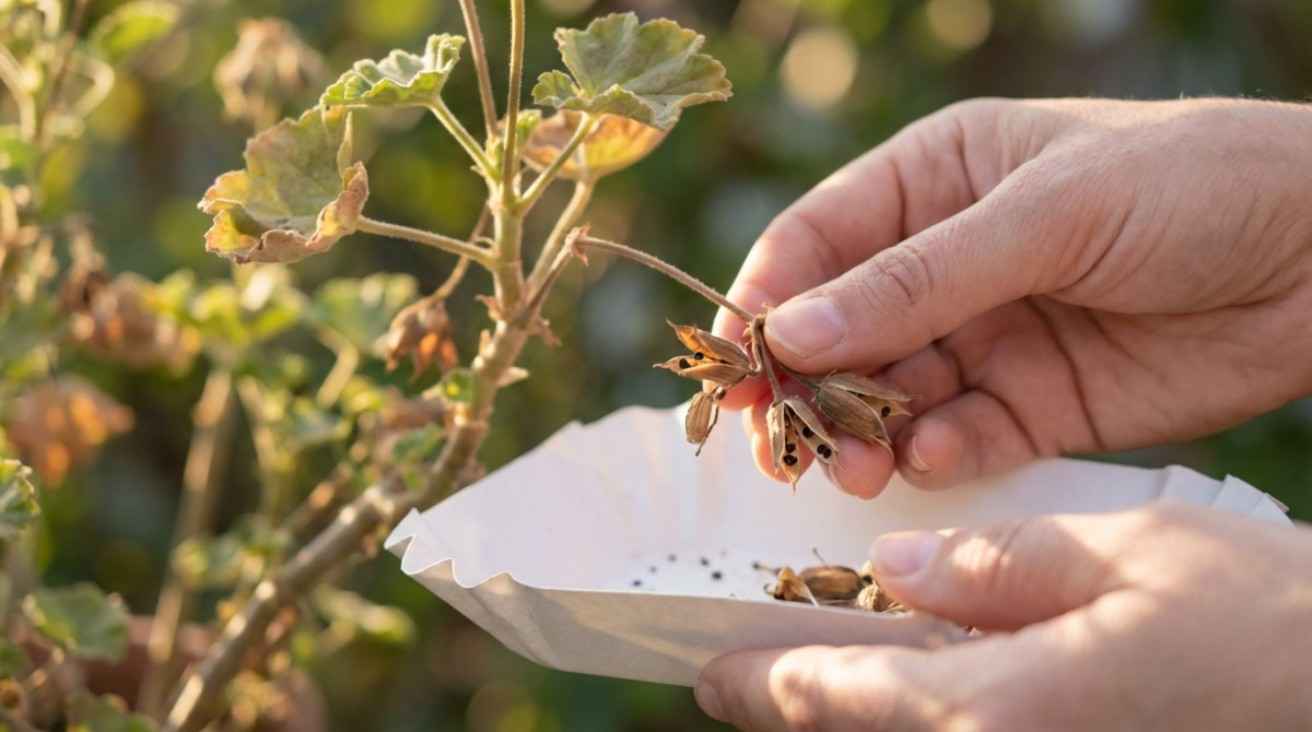
- Open pods by hand
- Release seeds into a shallow container
- Discard damaged or discolored seeds
Healthy seeds appear:
- Firm
- Uniform in color
- Free of cracks
Only clean seeds should move to the drying stage.
Drying Green Bean Seeds Correctly
Drying prevents mold and storage failure.
Proper drying conditions:
- Low humidity
- Good air circulation
- Room temperature environment
Drying steps:
- Spread seeds in a single layer
- Allow 7–14 days
- Stir occasionally
Seeds must feel hard and snap under pressure before storage.
Tools Needed to Save Green Bean Seeds
No specialized equipment is required.
Required Tools
- Paper envelopes
- Shallow tray
- Pen and labels
Optional Tools
- Fine mesh strainer
- Clean cloth
| Tool | Purpose |
|---|---|
| Paper envelopes | Prevent moisture buildup |
| Tray | Collect loose seeds |
| Labels | Avoid variety mixing |
Plastic containers should be avoided because they trap humidity.
How to Store Green Bean Seeds for Next Year
Storage conditions directly impact seed lifespan.
Best Storage Methods
| Storage Method | Suitability |
|---|---|
| Paper envelopes | Excellent |
| Glass jars (dry) | Good |
| Plastic bags | Poor |
Storage guidelines:
- Cool environment
- Dry conditions
- Dark location
Seeds stored properly retain planting potential across multiple seasons.

How Long Green Bean Seeds Remain Viable
Seed lifespan depends on storage quality.
Typical viability range:
- 2–4 years under ideal conditions
- Shorter lifespan if exposed to moisture or heat
Consistent dryness and stable temperatures extend usefulness when learning how to save green bean seeds for next year.
Common Mistakes That Reduce Seed Quality
Avoiding mistakes improves success.
Frequent errors include:
- Harvesting green pods
- Storing seeds before drying
- Using plastic containers
- Mixing seed varieties
Each mistake increases spoilage or weak germination.
Seed Saving vs Buying New Seeds
| Factor | Saved Seeds | Commercial Seeds |
|---|---|---|
| Cost | Low | Higher |
| Adaptation | Local conditions | General |
| Freshness | High | Variable |
Home-saved seeds retain natural vigor when handled correctly.
Environmental Conditions That Affect Storage
Seed quality declines rapidly when exposed to:
- Heat
- Moisture
- Sunlight
Stable storage preserves internal seed structure and future sprouting ability.
Preparing Saved Seeds for Planting
Before planting:
- Inspect for cracks
- Discard soft seeds
- Keep dry until sowing
Proper preparation supports strong emergence.
Seed Saving Benefits for Home Gardeners
- Preserves preferred varieties
- Reduces annual expenses
- Improves crop reliability
Understanding how to save green bean seeds for next year strengthens long-term garden planning.

FAQs
1. Can green bean seeds be saved from grocery beans?
Only if beans are fully mature and untreated, which is uncommon.
2. Should seeds be frozen for storage?
Freezing is unnecessary and risky without moisture control.
3. Can different bean varieties be stored together?
No. Mixing increases planting uncertainty.
4. Do saved green bean seeds need soaking before planting?
Soaking is optional and depends on soil conditions.
5. How can moisture damage be prevented during storage?
Use breathable containers and store in a dry location.