Cold stratification timing matters because how long to cold stratify seeds determines dormancy break, germination speed, and healthy plant growth.
How Long to Cold Stratify Seeds
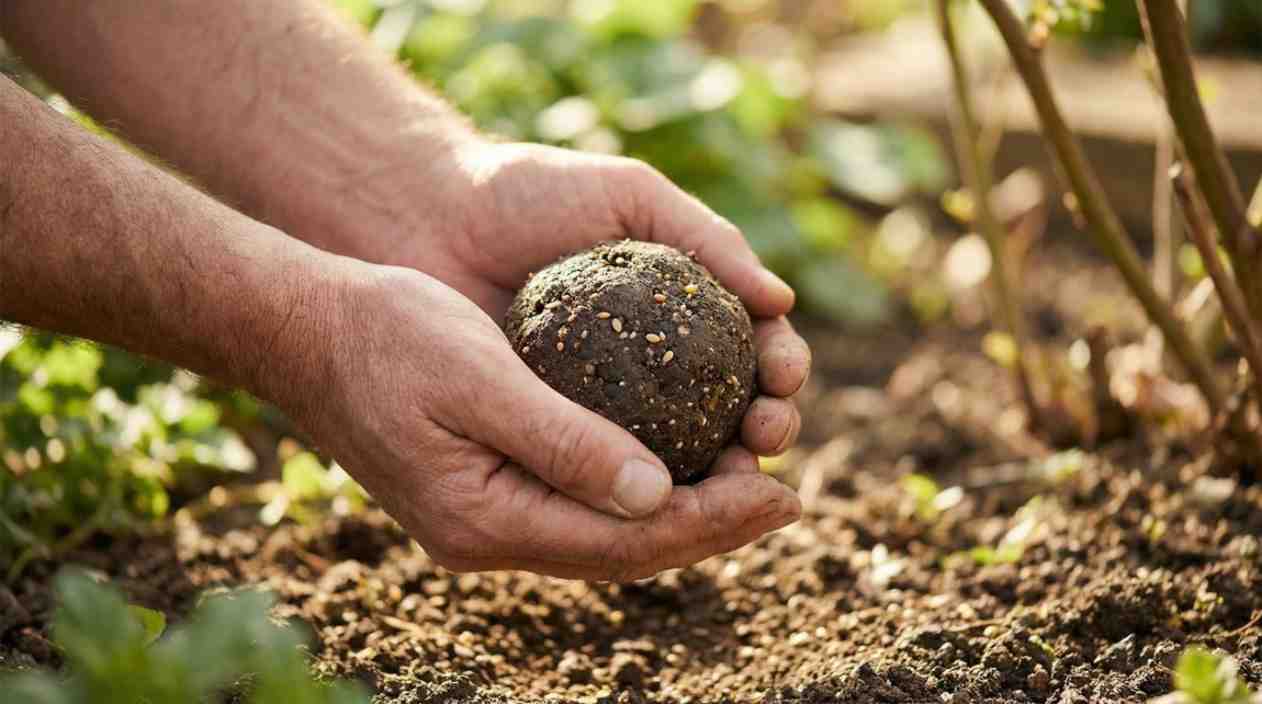
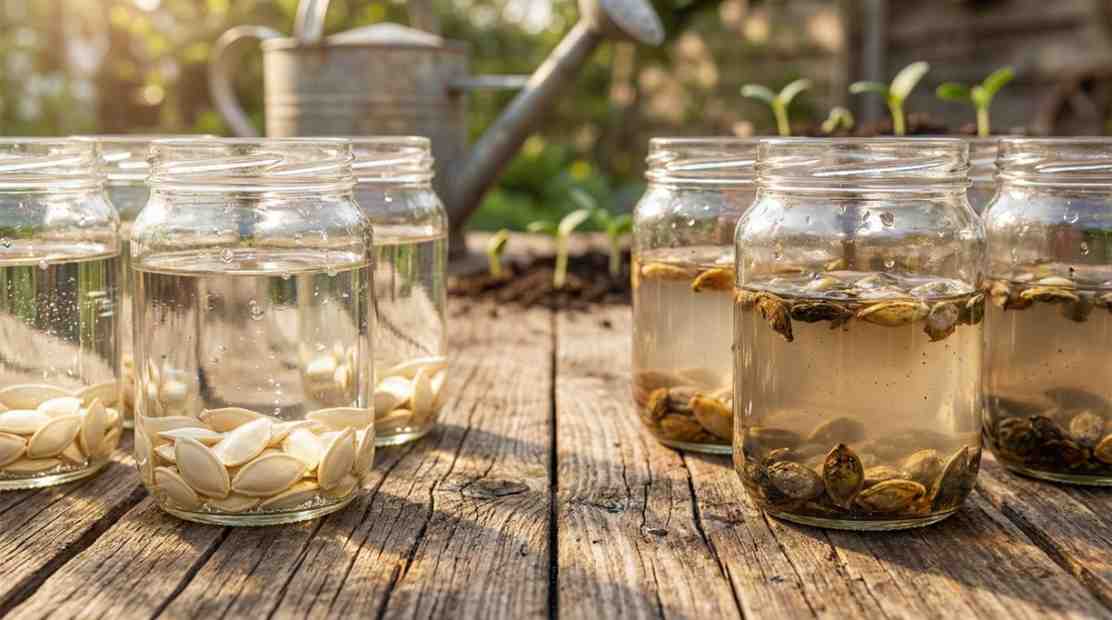
Many seeds will not sprout without exposure to cold conditions. This process copies nature’s winter cycle and prepares seeds for growth. Understanding how long to cold stratify seeds removes guesswork and prevents failed germination. The correct duration depends on seed type, dormancy depth, and moisture exposure.Cold stratification is a natural process that helps seeds break dormancy and germinate faster, mimicking winter conditions in nature.
Cold Stratification Timelines for Common Seeds
| Seed Type | Stratification Duration | Temperature Required |
|---|
| Apple | 60–90 days | 1–5°C |
| Carrot | 14–21 days | 2–5°C |
| Peony | 30–60 days | 1–5°C |
| Tomato | 0–7 days | 1–5°C |
| Asparagus | 21–30 days | 1–5°C |
| Strawberry | 30–45 days | 1–5°C |
| Blueberry | 45–60 days | 1–5°C |
| Lavender | 14–28 days | 1–5°C |
What Cold Stratification Does to Seeds
Cold stratification is a cold, moist treatment that activates internal seed processes.
- Breaks natural seed dormancy
- Triggers enzymes needed for germination
- Softens hard seed coats
- Aligns sprouting with safe growing conditions
Seeds evolved to survive winter. Without cold exposure, many will stay inactive even in warm soil. This is why knowing how long to cold stratify seeds matters more than soil quality alone.

How Long to Cold Stratify Seeds Based on Dormancy
Different dormancy levels require different cold stratification time.
Light Dormancy
- 2–4 weeks
- Some annual flowers and herbs
- Thin seed coats
Moderate Dormancy
- 4–8 weeks
- Most perennials
- Many flowering plants
Deep Dormancy
- 10–20+ weeks
- Trees, shrubs, wild species
- Thick or layered seed coats
Dormancy level directly controls how long to cold stratify seeds.

How Long to Cold Stratify Seeds in a Refrigerator
Refrigeration offers controlled conditions.
- Temperature: 33–41°F
- Moisture: Damp, not wet
- Environment: Sealed container
- Duration: Based on seed type
Refrigerator Method Steps
- Place seeds in moist paper towel or medium
- Seal in labeled bag
- Store in fridge
- Check moisture weekly
- Remove after correct stratification time
This method ensures accurate cold stratification duration without weather interference.

Why Cold Stratification Timing Varies
There is no single answer for every plant.
- Seed genetics differ
- Native climate affects chilling needs
- Seed coat thickness varies
- Moisture absorption rates differ
Because of this, ignoring species-specific guidance often leads to failure, even when gardeners know how long to cold stratify seeds in general.
Common Cold Stratification Timing Problems
- Stratifying too long
- Using freezer temperatures
- Letting seeds dry out
- Skipping moisture control
- Ignoring dormancy depth
Each mistake interferes with seed germination after stratification.

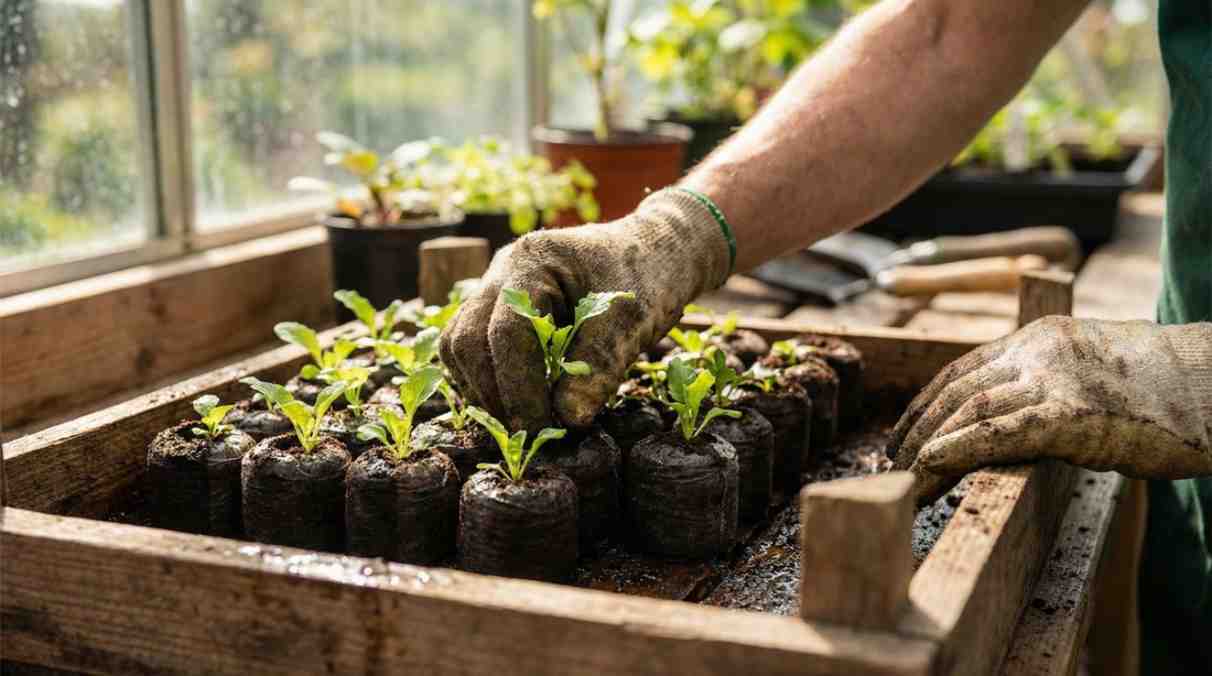
Signs Cold Stratification Is Complete
- Seed coats soften
- Small roots appear
- Faster sprouting after planting
- Even seedling emergence
These signs confirm the correct cold stratification period.
Cold Stratification Duration Comparison
| Dormancy Type | Cold Stratification Time |
|---|---|
| Light dormancy | 2–4 weeks |
| Moderate dormancy | 4–8 weeks |
| Deep dormancy | 10–20+ weeks |
| Very deep dormancy | 20–32 weeks |
This table helps confirm how long to cold stratify seeds before planting, depending on the seed’s dormancy level. Following these timings ensures higher germination rates and healthier seedlings.

FAQs
Q1: Can all seeds be cold stratified?
A1: No, only seeds from temperate regions typically require cold stratification. Tropical seeds generally do not need it.
Q2: What is the ideal temperature for cold stratification?
A2: Most seeds require 1–5°C. Higher or lower temperatures may prevent germination.
Q3: How do I know when seeds are ready to plant?
A3: Seeds swell, split, or show tiny root tips, indicating they are ready for planting.
Q4: Can I shorten the cold stratification period?
A4: Shortening may reduce germination rates. Follow recommended durations for each seed type.
Q5: Do vegetable seeds need cold stratification?
A5: Some vegetables like carrots and beets need it, while others like tomatoes benefit but it is optional.