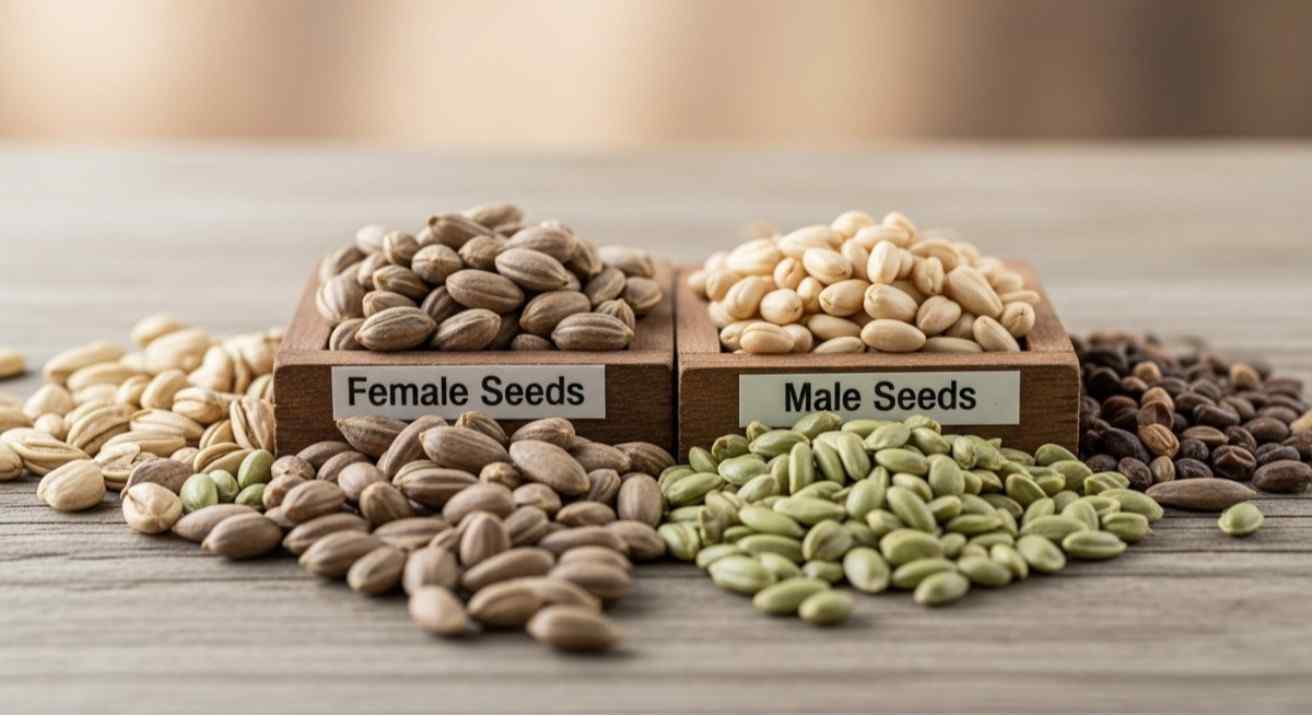
How to Read a Seed Packet in 7 easy steps: check germination rate, planting depth, spacing, and days to harvest for a healthy garden.
How to Read a Seed Packet
When you buy seeds, the packet may look confusing at first, but it’s really a small guide for growing success.It shows you when to plant, how deep to sow, how far to space plants, and how long until harvest.It also explains terms like days to germination, days to maturity, and whether seeds are heirloom, hybrid, or open-pollinated.By learning how to read a seed packet, you’ll make planting easier and get healthier, more productive plants.
Common Seed Packet Mistakes & How to Avoid Them
| Mistake | What Happens | How to Avoid It |
|---|---|---|
| Planting too deep or too shallow | Seeds fail to germinate or dry out | Follow the recommended sowing depth on the seed packet |
| Ignoring frost dates & planting zones | Seeds sprout too early in cold soil or don’t mature in time | Check frost dates and local growing zones before sowing |
| Skipping thinning | Overcrowded plants compete for light, water, and nutrients | Thin seedlings as directed for healthy plant spacing |
| Confusing germination vs. maturity | Wrong harvest timing & disrupted garden schedule | Note days to germination (sprouts) vs. days to maturity (harvest) |
| Not reading soil & sunlight needs | Stunted growth, low yields | Match soil type and light requirements (full sun/partial shade) to plant needs |
What’s on the Front of a Seed Packet
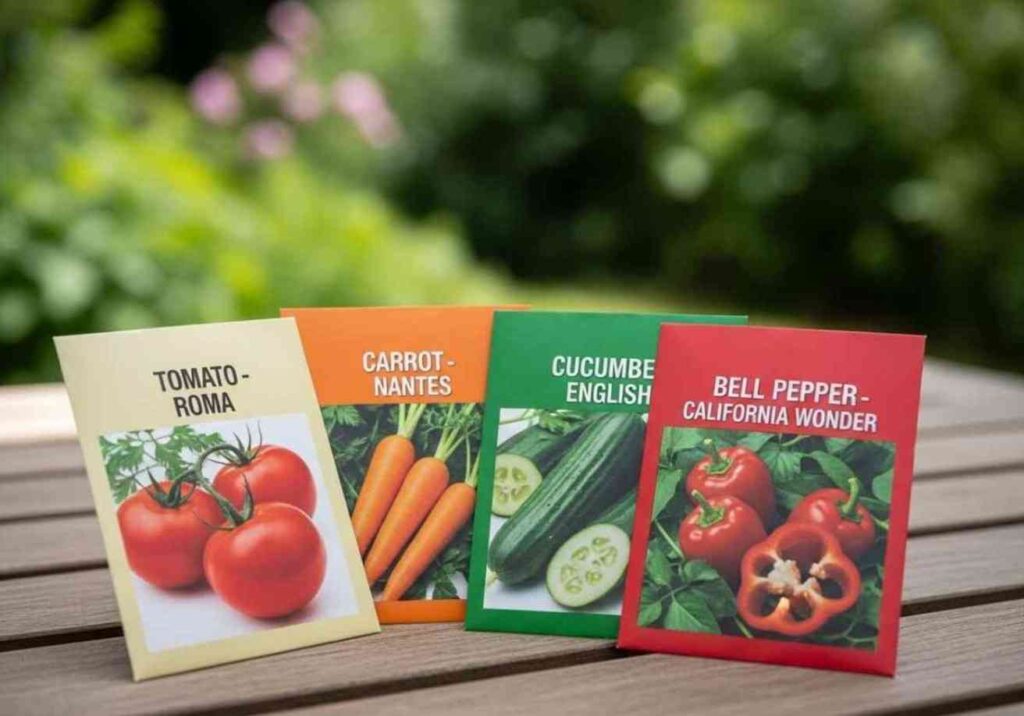
The first thing you’ll notice when you pick up a seed packet is the front label. This is where you’ll find the plant’s common name, the specific variety, and sometimes even a picture of what the mature plant or fruit looks like.
For example, a packet might say Tomato – Roma or Carrot – Nantes. Learning how to read a seed packet starts here, because the variety name helps you understand growth habits, flavor, and maturity time.
You’ll also see the seed type identified. Words like heirloom, open-pollinated, or F1 hybrid tell you a lot about what you’re planting.
Heirloom and open-pollinated seeds can be saved and replanted, while hybrids are bred for vigor and disease resistance but usually don’t produce reliable offspring.
Another detail on the front is the light requirement. Phrases like full sun, partial shade, or cool-season crop indicate where the plant will thrive.
Ignoring this information is a common gardening mistake that can stunt growth or reduce yields.
Many packets also include a short variety description, such as “compact plant, ideal for containers” or “resistant to common blight.”
These notes help you choose the right seed for your space and growing conditions.
By understanding the information on the front of a seed packet, you’re already one step closer to planning a successful garden.
What’s on the Back of a Seed Packet
Once you’ve looked at the front, flip the packet over. This is where the real instructions live, and knowing how to read a seed packet properly means paying close attention to these details.
Planting & Timing
Most seed packets tell you when to start planting, either by direct sowing outdoors or starting seeds indoors. Timing usually depends on frost dates and planting zones, which are critical for success.
A packet might say “start indoors 6–8 weeks before last frost” or “direct sow after danger of frost.”
You may also see a “packed for” or “sell-by” date, which isn’t an exact expiration but gives you an idea of seed viability.
Seed Depth, Spacing & Thinning
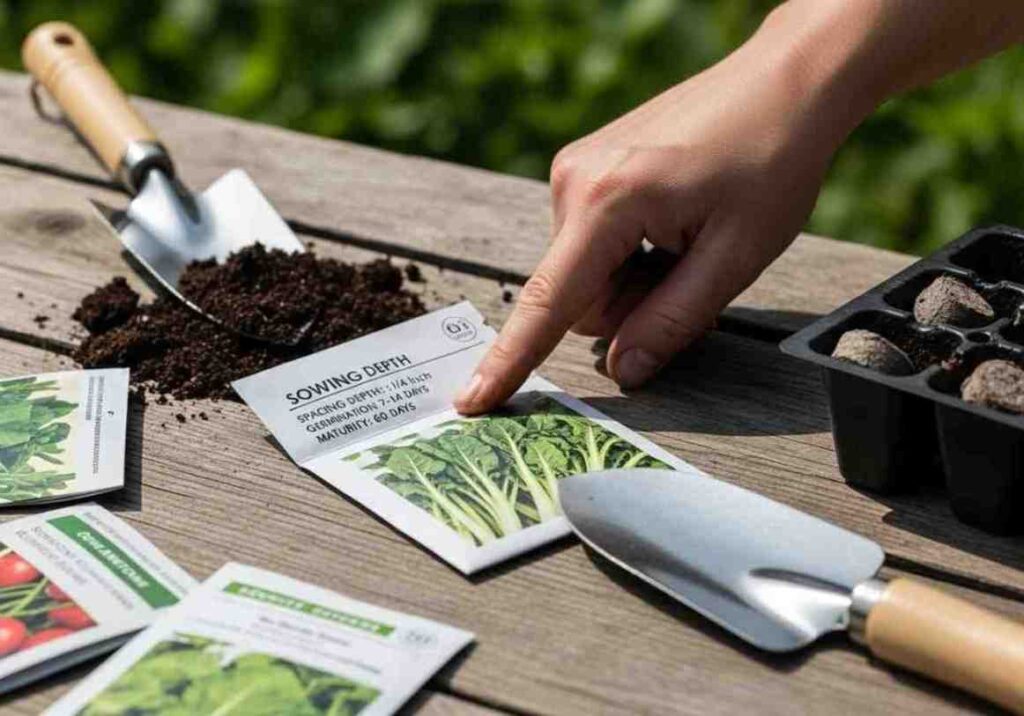
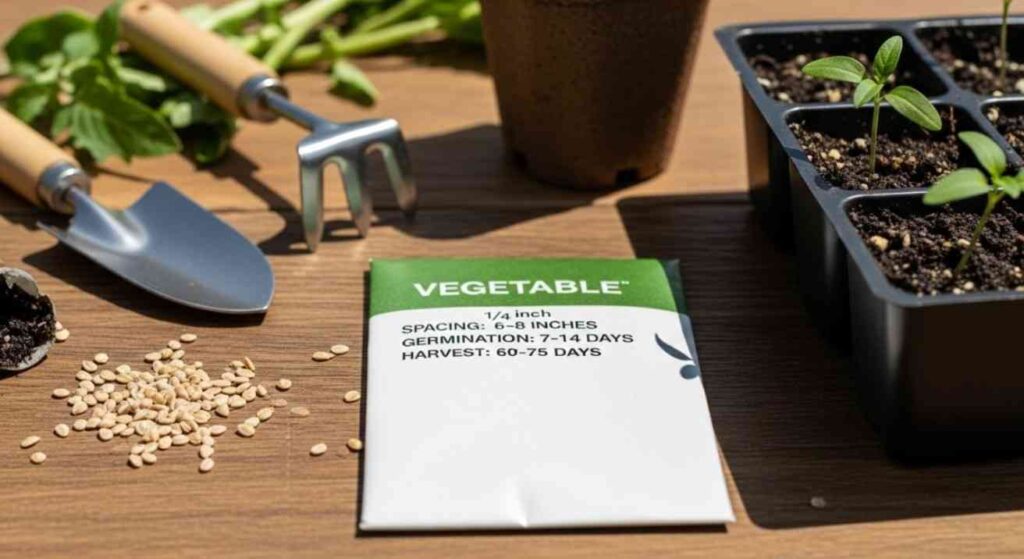
You’ll also find directions for sowing depth—often listed in inches. A simple rule is to plant seeds about twice their diameter.
The packet will also explain seed spacing and whether you should thin seedlings after germination. Thinning ensures strong plants and prevents overcrowding.
Germination & Maturity
Packets list days to germination (how long before you see sprouts) and days to maturity (how long until harvest).
These two numbers are easy to confuse, but they’re very different. For example, lettuce may germinate in 7 days but need 60 days to reach full harvest.
Plant Growth Details
Finally, look for mature plant height and spread, soil preferences, and disease resistance codes. This helps you plan spacing in your garden beds and avoid issues like shading smaller crops.
By carefully reading the back of a seed packet, you’ll know exactly when and how to plant, giving your seeds the best chance of success.
Extra Details Found on Seed Packets
Beyond planting depth and germination times, many seed packets include extra information that can make a big difference in your garden.
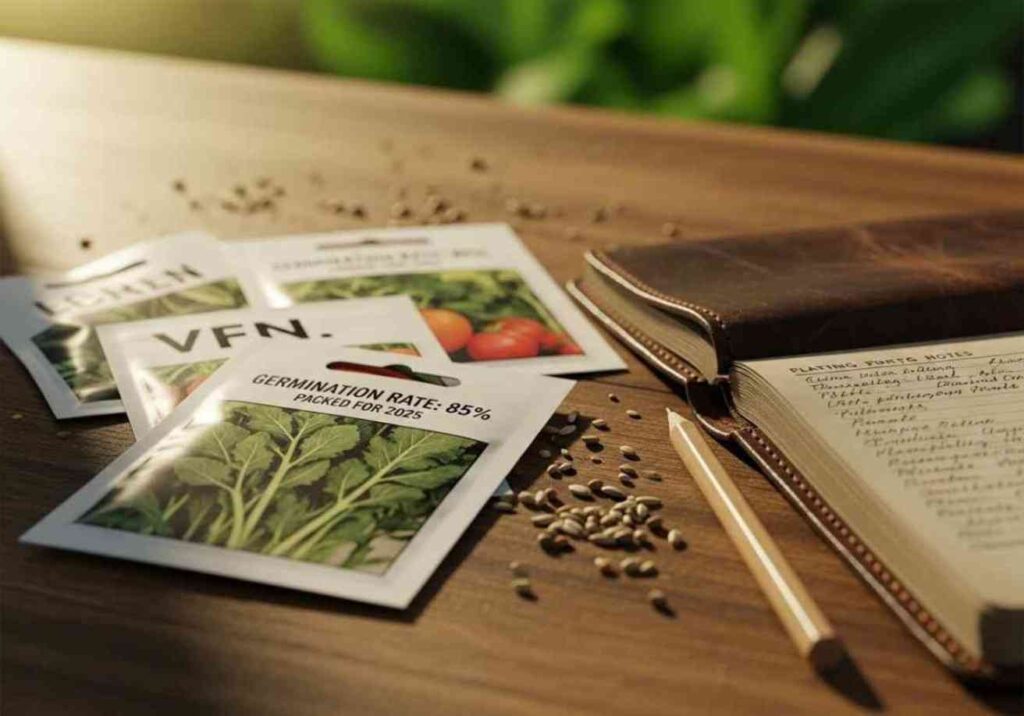
One of the most useful details is the germination rate, often written as a percentage.
For example, if the rate is 85%, you can expect about 85 out of 100 seeds to sprout under the right conditions. This number helps you decide whether to sow more seeds than you need and explains why packets recommend planting multiple seeds per hole.
Another detail is the expiration or “packed for” date. While seeds don’t suddenly stop growing after this date, viability does decrease over time.
Some crops like onions and parsnips lose vigor quickly, while others like tomatoes or beans can stay viable for years if stored properly. Keeping seeds in a cool, dry place extends their lifespan.
Many packets also list disease resistance codes—short abbreviations that indicate protection against specific plant problems.
For example, “VFN” on tomato seeds means resistance to Verticillium, Fusarium, and nematodes. These details help you choose varieties that are more resilient in your region.
Finally, some packets offer advice on soil type, moisture needs, or whether a crop is better suited to containers.
While these might seem like small notes, they provide valuable context for planning and improving your garden’s overall success.
Quick Reference Seed Packet Checklist
To make gardening easier, here’s a simple checklist you can follow when reading any seed packet:
- Plant Name & Variety – Identify exactly what you’re growing, such as Tomato – Roma or Carrot – Nantes.
- Seed Type – Note if seeds are heirloom, open-pollinated, or F1 hybrid. This affects whether you can save seeds for future planting.
- Planting Method – Direct sow outdoors or start indoors, based on frost dates and planting zones.
- Sowing Depth & Spacing – Follow the recommended depth and spacing. A good rule: plant seeds about twice their size, and thin seedlings as needed.
- Days to Germination & Days to Harvest – Know how long it will take for seeds to sprout and reach maturity.
- Light Requirements – Full sun, partial shade, or other conditions suitable for the plant.
- Germination Rate & Seed Viability – Check the percentage to estimate how many seeds to plant for a successful crop.
- Special Notes or Resistance Codes – Watch for disease resistance or soil preference information.
Using this checklist every time ensures you don’t overlook critical details, helping your seeds grow healthy and strong from the very beginning.]
FAQS
Q1: What does “packed for 2025” mean on a seed packet?
This indicates the year the seeds were packaged for sale, not the exact expiration. Seeds may remain viable for several years if stored in a cool, dry place.
Q2: How deep should I plant seeds?
Always refer to the seed packet for the correct planting depth. As a general rule, plant seeds about twice their diameter to give them the best chance of germination.
Q3: What is the difference between days to germination and days to maturity?
Days to germination tells you how long it takes for seeds to sprout. Days to maturity tells you when the plant will be ready for harvest. Confusing these can affect your planting schedule.
Q4: Why do seed packets suggest planting multiple seeds per hole?
Because not every seed will germinate. Planting more compensates for lower germination rates, and thinning ensures only the healthiest seedlings remain.
Q5: Can expired seeds still grow?
Yes, many seeds remain viable past the printed date, though germination rates may be lower. Performing a quick germination test can help determine viability before planting.
Q6: How do I know if seeds are heirloom, open-pollinated, or hybrid?
This information is printed on the front of the seed packet. Heirloom and open-pollinated seeds can be saved and replanted, while hybrid (F1) seeds are bred for vigor but usually won’t produce reliable offspring.