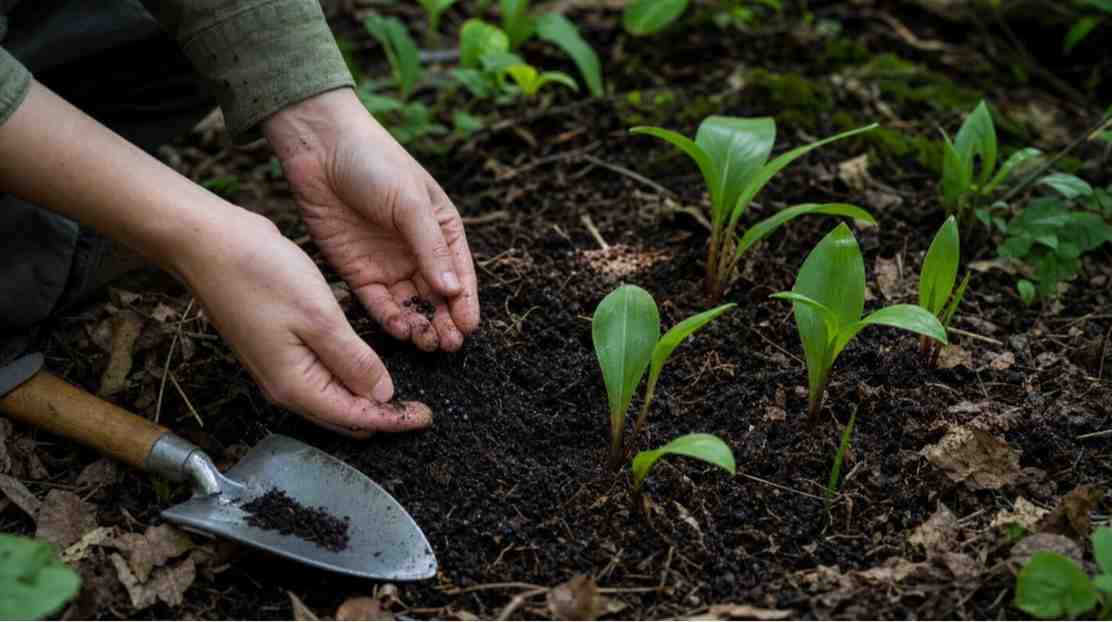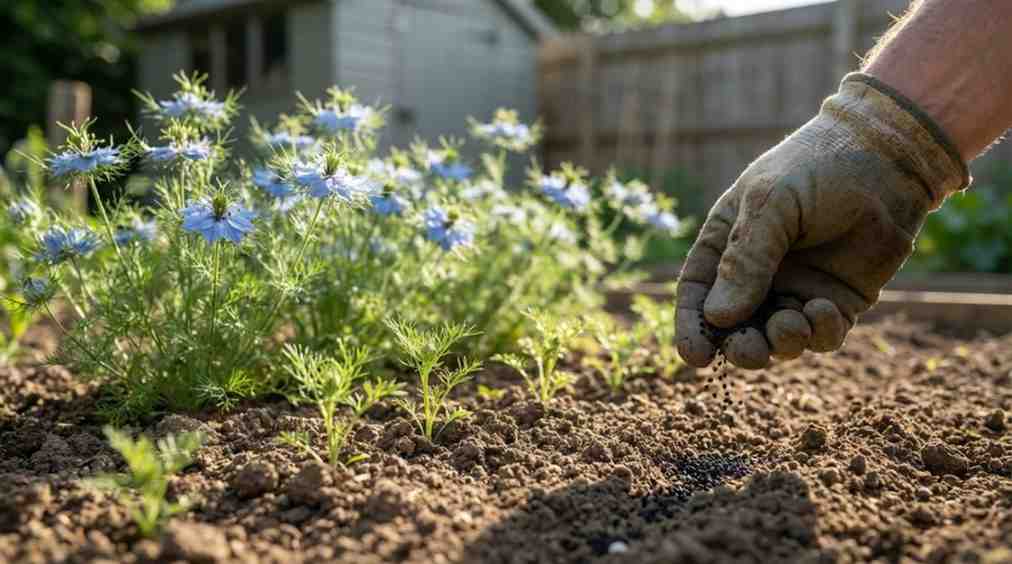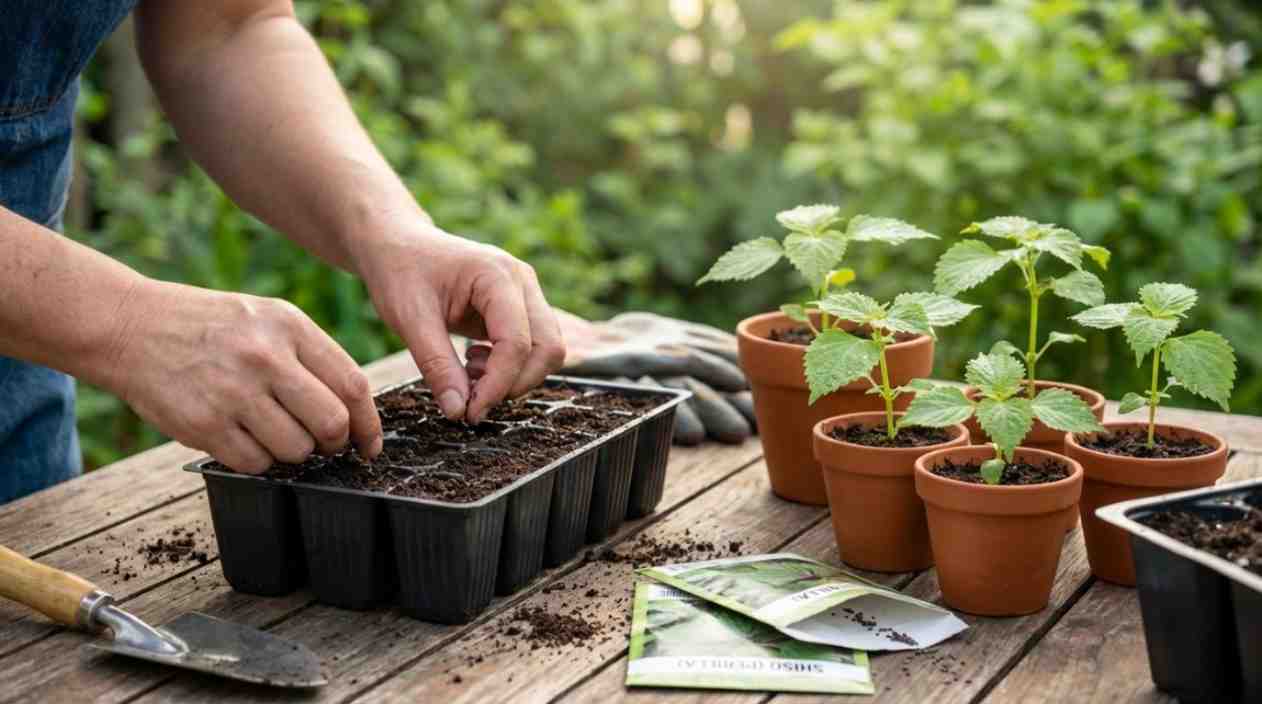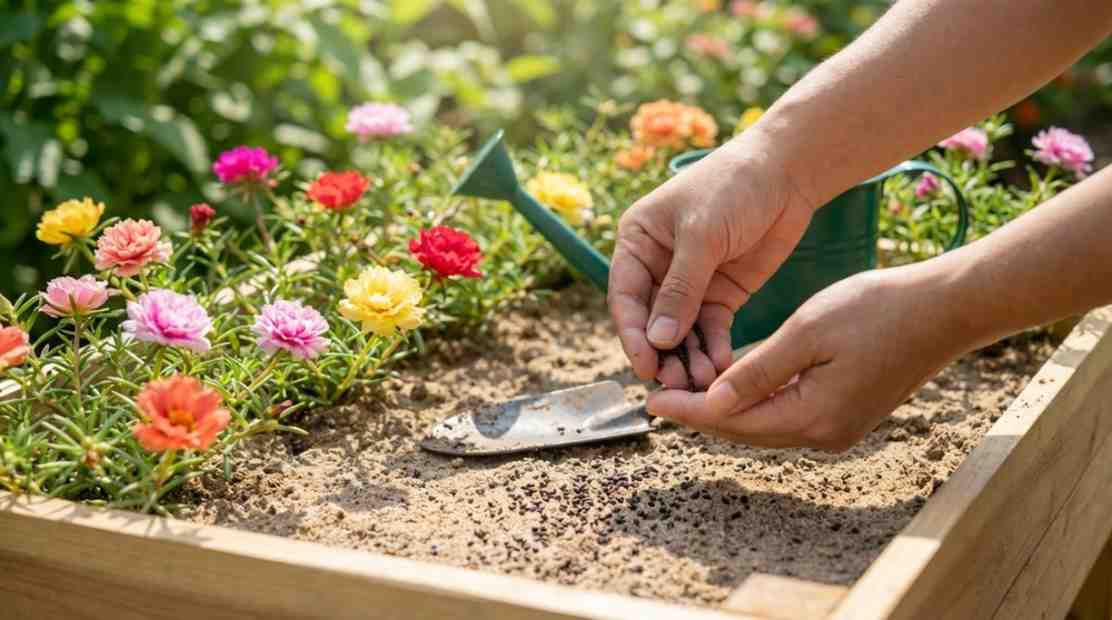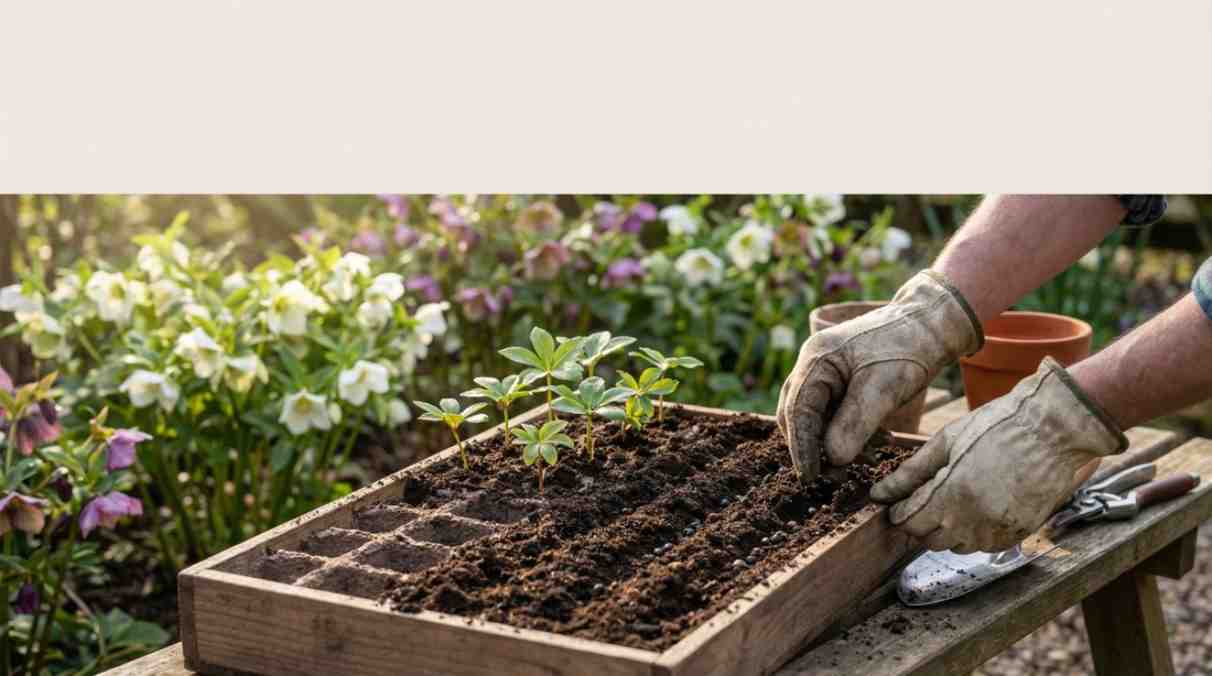
Fresh seeds, cold stratification, and proper soil help grow healthy plants. Detailed guide on how to grow hellebores from seed successfully.
How to Grow Hellebores From Seed
Hellebores are perennial shade-loving flowers that bloom in late winter or early spring. Growing them from seed allows gardeners to expand their garden cost-effectively and explore unique flower colors. Understanding how to grow hellebores from seed ensures strong seedlings, healthy root development, and vibrant blooms. This guide breaks down every step, from seed preparation to seedling care.
Step-by-Step Guide to Grow Hellebores From Seed
| Step | Action | Details |
|---|---|---|
| 1 | Collect Fresh Seeds | Seeds are ready when pods turn brown and dry. Use fresh seeds for better germination. |
| 2 | Clean Seeds | Remove any debris or soft tissue. Clean seeds prevent fungal growth. |
| 3 | Cold Stratification | Refrigerate seeds for 6–12 weeks. This breaks dormancy and improves seed germination. |
| 4 | Prepare Seed Tray | Use well-drained seed starting mix. A tray with drainage holes avoids waterlogging. |
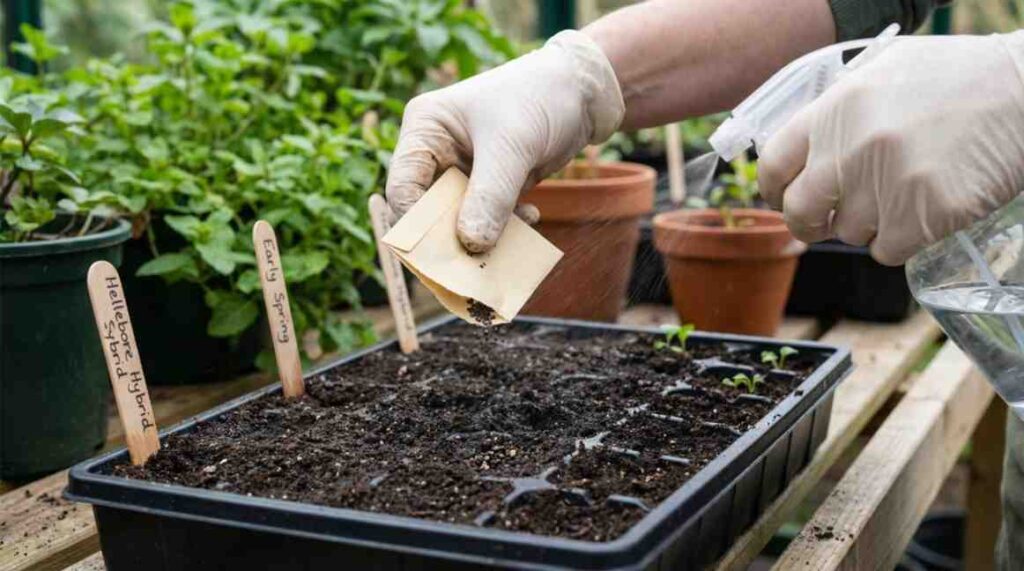
| 5 | Sow Seeds Shallowly | Plant seeds 1 cm deep. Light exposure encourages proper germination. |
| 6 | Maintain Moist Soil | Keep soil evenly moist, not soggy. Overwatering can kill seedlings. |
| 7 | Provide Partial Shade | Hellebores prefer filtered sunlight. Avoid direct harsh sun to prevent leaf burn. |
| 8 | Thin Seedlings | Remove weaker seedlings after 2–3 weeks to ensure strong root development. |
| 9 | Transplant Seedlings | Move seedlings to garden beds or containers once they develop true leaves. |
What Are Hellebores?
- Belong to genus Helleborus
- Known as Christmas rose or Lenten rose
- Shade-loving perennials that bloom in winter or early spring
- Ideal for woodland gardens, borders, and containers
- Offer vibrant, long-lasting flowers with minimal care
Hellebores are prized for their ability to grow in low-light gardens and add color when most plants are dormant.
Understanding how to grow hellebores from seed starts with knowing what hellebore plants are and how they grow naturally in shaded garden environments.
Growing Requirements for Hellebores from Seed
Soil
- Use fertile, well-drained soil
- Slightly alkaline or neutral soil improves growth
- Avoid heavy, waterlogged soil
Sunlight
- Partial shade is ideal
- Morning sun with afternoon shade works best
Temperature
- Cool, consistent temperature helps germination
- Avoid frost during the seedling stage
Before learning how to grow hellebores from seed successfully, gardeners must understand the basic soil, sunlight, and temperature requirements these plants prefer.
When to Plant Hellebore Seeds
- Late summer to early fall is ideal
- Use fresh seeds for maximum germination
- Seeds stored too long may lose viability
Knowing the correct planting season is an essential step in how to grow hellebores from seed and achieve reliable germination.
Caring for Seedlings After Germination
| Care Aspect | Instructions |
|---|---|
| Watering | Keep soil evenly moist during early growth; reduce after seedlings mature. |
| Mulching | Use organic mulch to retain moisture and suppress weeds. |
| Shade Protection | Protect seedlings from direct harsh sunlight. |
| Fertilization | Use minimal organic fertilizer; too much reduces flowering. |
Common Problems When Growing Hellebores from Seed
- Seeds not germinating: caused by old seeds, improper stratification, or planting too deep
- Seedling damping-off: caused by overwatering or poor drainage
- Slow growth: inadequate light or poor soil fertility
- Leaf discoloration: too much direct sunlight
Gardeners learning how to grow hellebores from seed often face a few common problems during germination and early plant development.
Growth Timeline of Hellebores from Seed
| Stage | Duration | Notes |
|---|---|---|
| Germination | 4–12 weeks | Seeds sprout slowly; patience is key |
| Seedling Development | 1 year | Develop strong roots and leaves |
| Transplant to Garden | After 1 year | Ensure seedlings are healthy and hardy |
| First Flowering | 2–3 years | Seed-grown hellebores may bloom after 2–3 years |
Tips for Better Germination
- Use fresh seeds; old seeds have low viability
- Cold stratification improves success
- Keep soil moist, not soggy
- Thin seedlings to avoid overcrowding
- Maintain partial shade during early growth
Many successful gardeners improve their results with simple strategies while practicing how to grow hellebores from seed at home.
FAQs
1. How long does it take to grow hellebores from seed?
Germination usually takes 4–12 weeks, but flowers may appear 2–3 years later.
2. Do hellebore seeds need cold stratification?
Yes, refrigerating seeds for 6–12 weeks breaks dormancy and improves germination.
3. Can hellebores grow indoors?
Seedlings can start indoors in partial shade, then transplant outdoors once strong.
4. Why are my hellebore seeds not germinating?
Common causes: old seeds, planting too deep, overwatering, or lack of stratification.
5. Do hellebores bloom the first year?
Usually not; expect flowering in 2–3 years when grown from seed.