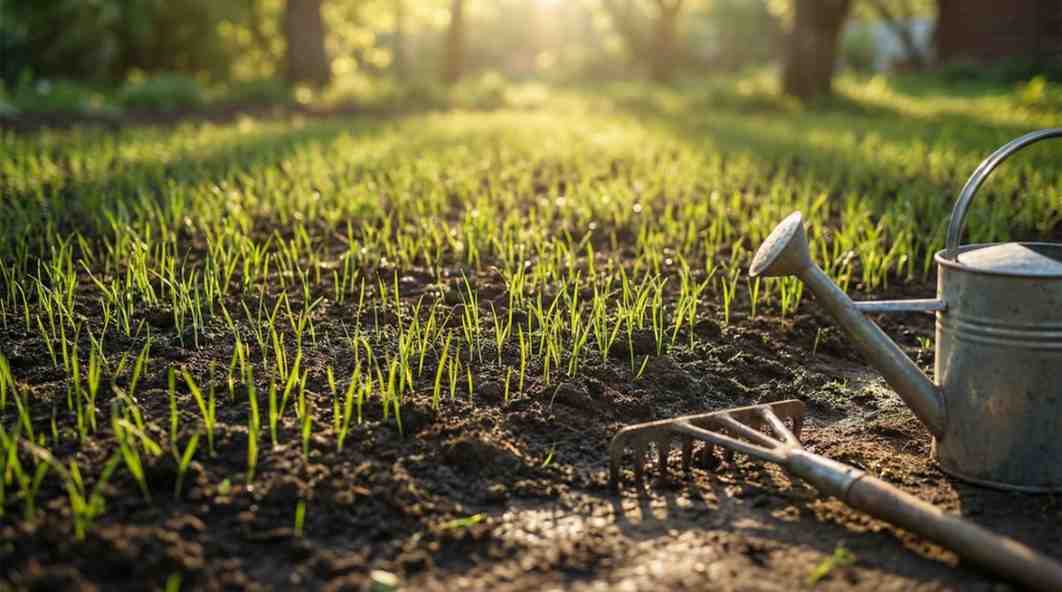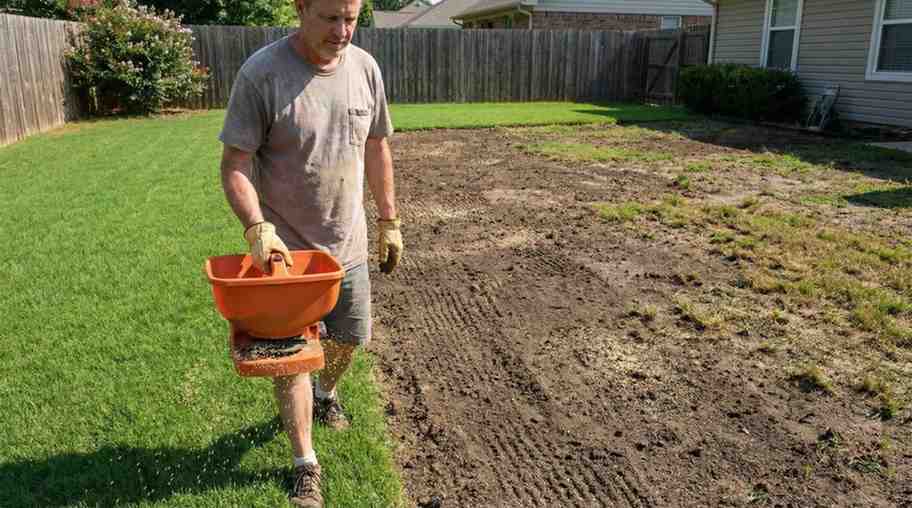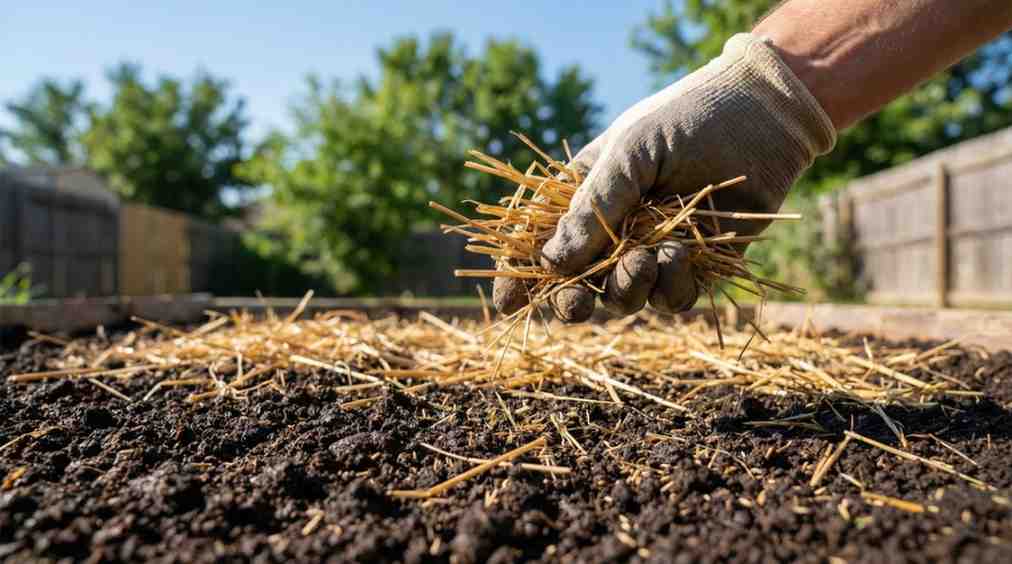
Proper depth for how much straw to put on grass seed is ½–1 inch; light coverage improves germination and prevents seed loss.
How Much Straw to Put on Grass Seed
Seeding a lawn is simple. Protecting it properly is where most people go wrong. The biggest question is how much straw to put on grass seed to protect it without blocking growth. Straw helps retain moisture and prevent erosion, but too much can slow germination. Getting how much straw to put on grass seed right means faster sprouting and even coverage.
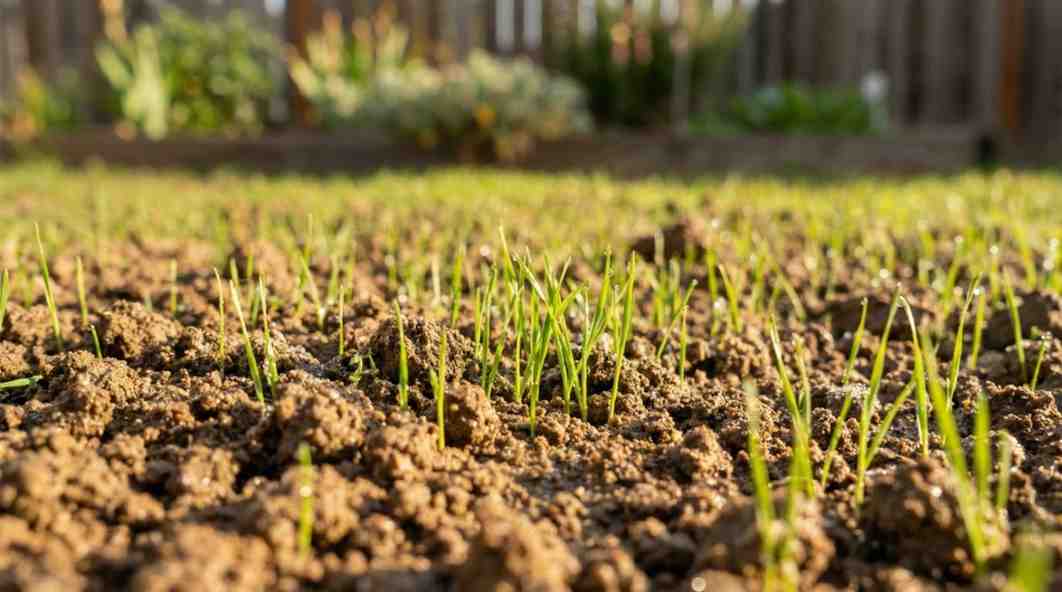
Grass Seed Germination & Straw Coverage Timeline
| Stage | Below Soil | Above Soil | Meaning |
|---|---|---|---|
| Day 1–3 | Seed absorbs water | Moist soil | Activation starts |
| Day 4–6 | Seed splits | Minor soil cracks | Germination begins |
| Day 5–10 | Roots form | Thin green shoots | Sprouting confirmed |
| Day 10–14 | Roots anchor | Light green tint | Establishment stage |
Correct moisture + proper straw depth = successful germination.
Why How Much Straw to Put on Grass Seed Matters
Straw mulch for lawn seeding creates a protective layer. It is not meant to bury seed.
When deciding how much straw to put on grass seed, focus on balance.
Benefits of proper coverage:
- Reduces moisture loss
- Prevents seed washout
- Protects from birds
- Stabilizes soil temperature
Problems with too much straw:
- Blocks sunlight
- Traps excess moisture
- Slows grass seed germination
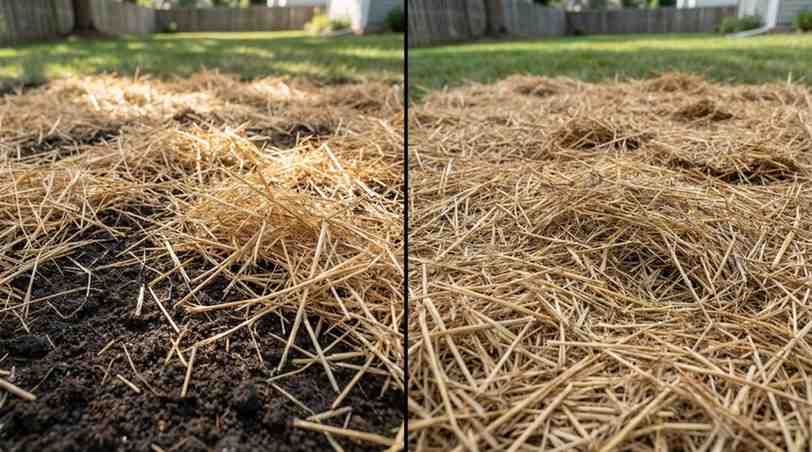
The correct straw thickness for grass seed allows 40–50% soil visibility.
Ideal Straw Thickness for Grass Seed
The recommended depth is:
- ½ inch to 1 inch thick
- Soil visible through the layer
- Loose, fluffy coverage
- No compacted areas
If soil disappears completely under straw, you’ve exceeded the safe limit for how much straw to put on grass seed.
Straw Bale Coverage Guide
| Lawn Size | Bales Needed | Layer Depth |
|---|---|---|
| 500 sq ft | ½ bale | ½ inch |
| 1,000 sq ft | 1 bale | ½–1 inch |
| 2,000 sq ft | 2 bales | Even light layer |
| 5,000 sq ft | 4–5 bales | Thin coverage |
One standard bale covers about 800–1,000 sq ft.
Always calculate square footage before deciding how much straw to put on grass seed.
How to Spread Straw Correctly
Application matters as much as depth.
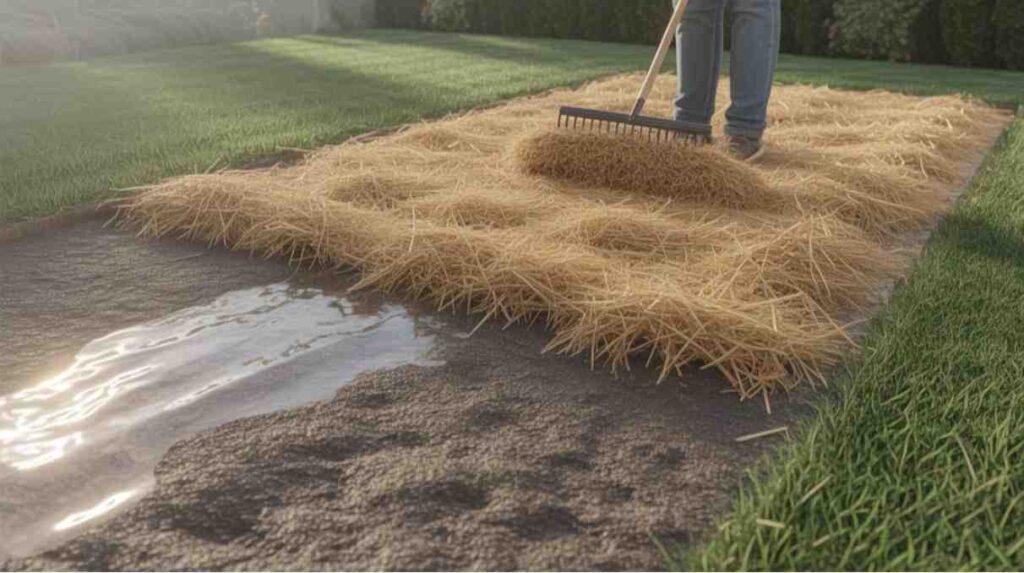
- Break bale apart completely
- Fluff before spreading
- Toss lightly by hand
- Avoid clumps
- Do not press down
Uneven coverage leads to patchy growth.
Watering Schedule for Newly Seeded Lawn
| Time | Frequency | Goal |
|---|---|---|
| Week 1 | 2–3 light waterings daily | Damp soil |
| After Sprouting | 1–2 light waterings | Moist surface |
| After 2 Weeks | Deep watering every 2–3 days | Root growth |
Watering works together with knowing how much straw to put on grass seed.
Avoid puddling. Avoid dry crust.
Common Mistakes
- Applying more than 1 inch
- Leaving thick clumps
- Using hay instead of straw
- Ignoring slope conditions
Hay contains weed seeds. Straw does not.
Most lawn failures happen because people misjudge how much straw to put on grass seed.
Sloped or Rain-Prone Areas
On slopes:
- Use slightly denser but breathable coverage
- Check after heavy rain
- Redistribute if needed
Even in difficult areas, do not exceed 1 inch thickness.
Signs of Too Much Straw
- Weak pale seedlings
- Mold odor
- Slow emergence
- Matted surface
Lightly thin the layer if needed.
Signs of Too Little Straw
- Dry soil surface
- Exposed seeds
- Uneven sprouting
- Fast moisture loss
Add a light layer if soil dries quickly.
Cost Overview
| Item | Average Cost |
|---|---|
| Straw Bale | $5–$12 |
| Seed Blanket | $50+ |
Straw remains affordable and effective when applied correctly.
FAQs
1. How much straw to put on grass seed for best results?
Apply ½–1 inch, keeping soil partially visible.
2. Can too much straw stop grass growth?
Yes, thick layers block sunlight and airflow.
3. Should straw be removed after germination?
No, grass grows through it naturally.
4. How many bales per 1,000 sq ft?
Usually one standard bale.
5. Is straw better than peat moss?
Straw is cheaper and works well for most lawns.