Cold stratification and proper soil depth determine how to germinate black walnut seeds successfully for strong tree growth.
How to Germinate Black Walnut Seeds
Black walnut trees are valuable for timber, shade, and edible nuts. Many growers search for how to germinate black walnut seeds but struggle because these seeds remain dormant without proper treatment. Black walnut seeds require cold stratification, moisture balance, and correct planting depth. Without these steps, germination rates drop sharply. This guide explains how to germinate black walnut seeds step-by-step using practical, field-tested methods that improve success rates.
Black Walnut Germination Process Overview
Below is the complete process required for how to germinate black walnut seeds effectively.
Step-by-Step Germination
| Stage | Action Required | Key Detail |
|---|---|---|
| Harvesting | Collect mature nuts in fall | Choose fully brown, fallen walnuts |
| Cleaning | Remove husk immediately | Prevent mold formation |
| Soaking | Soak 24 hours in water | Discard floating seeds |
| Cold Stratification | 90–120 days at 34–41°F | Breaks seed dormancy |
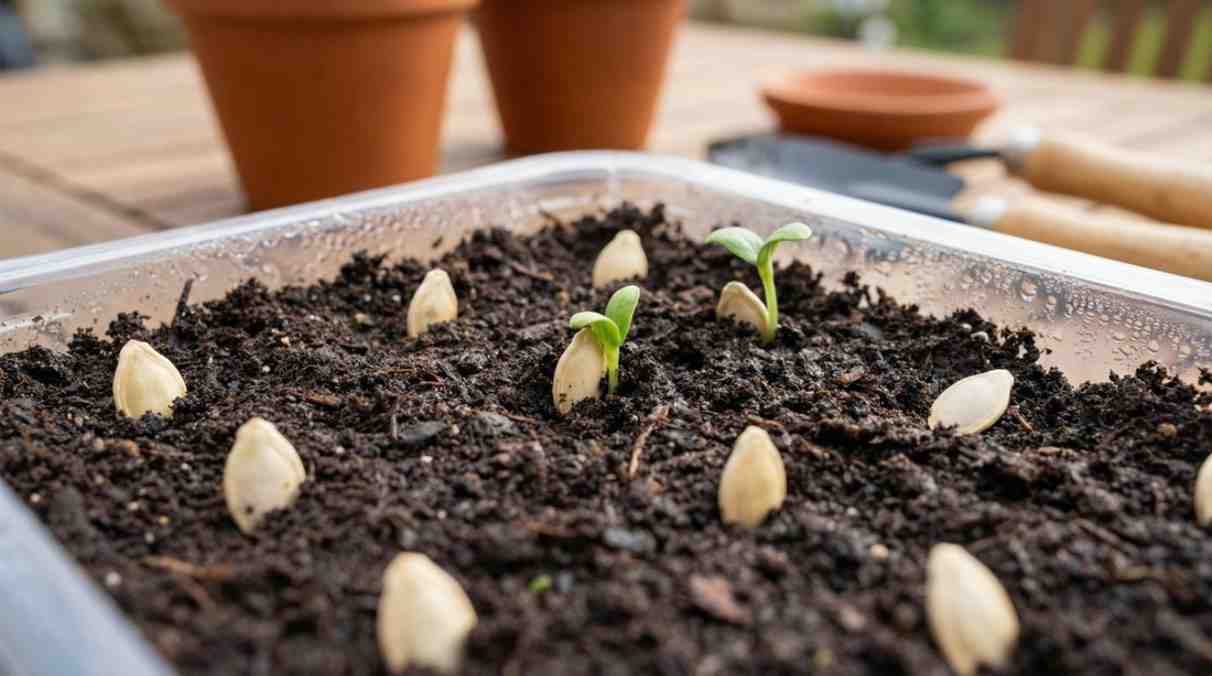
| Planting | Sow 1–2 inches deep | Taproot grows downward quickly |
| Watering | Keep soil evenly moist | Avoid waterlogging |
Following these steps correctly improves outcomes when learning how to germinate black walnut seeds.
Understanding Black Walnut Seed Dormancy
Black walnut seeds contain physiological dormancy, which prevents immediate sprouting.
- The shell is thick and protective
- Embryo remains inactive in warm soil
- Winter chilling triggers internal activation
Without stratification, even fresh seeds may not germinate.
When understanding how to germinate black walnut seeds, dormancy management becomes the most critical stage.
Cold Stratification Requirements
Cold stratification mimics winter conditions.
Stratification Conditions
| Factor | Requirement |
|---|---|
| Temperature | 34–41°F (1–5°C) |
| Duration | 90–120 days |
| Medium | Moist sand or peat moss |
| Moisture Level | Slightly damp, not wet |
Place seeds inside a breathable container in a refrigerator.
Checking moisture monthly ensures successful results in how to germinate black walnut seeds.
Soil Preparation for Strong Germination
Soil type directly affects early root growth.
- Use well-draining loamy soil
- Maintain pH between 6.0–7.5
- Avoid compacted ground
- Remove competing weeds
Black walnut develops a deep taproot early. Poor drainage delays progress when practicing how to germinate black walnut seeds.
Indoor vs Outdoor Germination Comparison
Growing environment influences success.
Indoor vs Outdoor Germination
| Method | Advantages | Limitations |
|---|---|---|
| Indoor | Controlled temperature & moisture | Transplant adjustment |
| Outdoor | Natural winter stratification | Weather unpredictability |
Indoor methods offer higher control when studying how to germinate black walnut seeds.
Planting Depth and Spacing
Correct planting depth prevents rot.
- Sow 1–2 inches deep
- Space seeds 12–18 inches apart
- Plant pointed end sideways
Shallow planting causes drying. Deep planting delays emergence.
Proper depth ensures better outcomes for how to germinate black walnut seeds.
Germination Timeline
Black walnut seeds germinate in spring after chilling.
Expected Growth Timeline
| Stage | Time Frame |
|---|---|
| Stratification | 3–4 months |
| Root Emergence | Early spring |
| Shoot Appearance | 2–4 weeks after planting |
| First Leaves | Within 6 weeks |
Patience is necessary when mastering how to germinate black walnut seeds.
Caring for Black Walnut Seedlings
Young seedlings require consistent care.
Watering
- Keep soil lightly moist
- Avoid standing water
- Reduce frequency after establishment
Light
- Full sun preferred
- Minimum 6 hours daily
Transplanting
- Move seedlings once roots strengthen
- Avoid disturbing taproot
Proper aftercare improves success in how to germinate black walnut seeds.
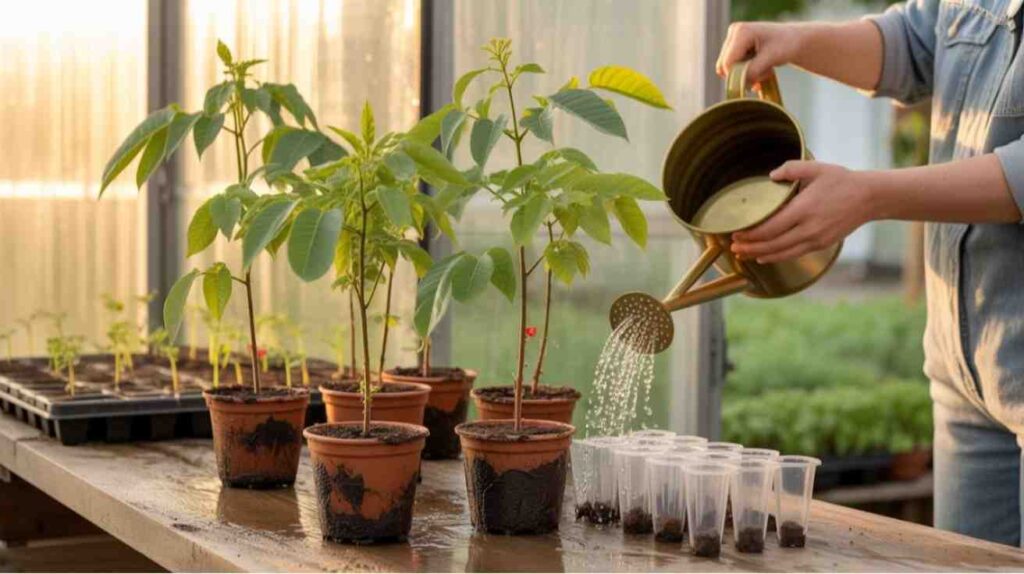
Common Germination Problems
Several issues reduce germination rates:
- Incomplete stratification
- Overwatering
- Poor soil drainage
- Planting too deep
Correcting these factors increases success for how to germinate black walnut seeds.
Growth Expectations in First Year
Black walnut seedlings focus on root development first.
- Taproot grows rapidly
- Top growth appears moderate
- Height may reach 12–24 inches
Strong root formation supports long-term tree stability when applying how to germinate black walnut seeds correctly.
FAQs
1. How long does it take to germinate black walnut seeds?
Germination begins in spring after 90–120 days of cold stratification.
2. Can I plant black walnuts without stratification?
Natural outdoor winter exposure may work, but controlled chilling improves results.
3. Do black walnut seeds need soaking?
Soaking 24 hours helps remove non-viable seeds and hydrates the shell.
4. What soil is best for germinating black walnuts?
Well-draining loamy soil with neutral pH supports healthy root growth.
5. Why are my black walnut seeds not sprouting?
Most failures occur due to insufficient cold stratification or excess moisture.