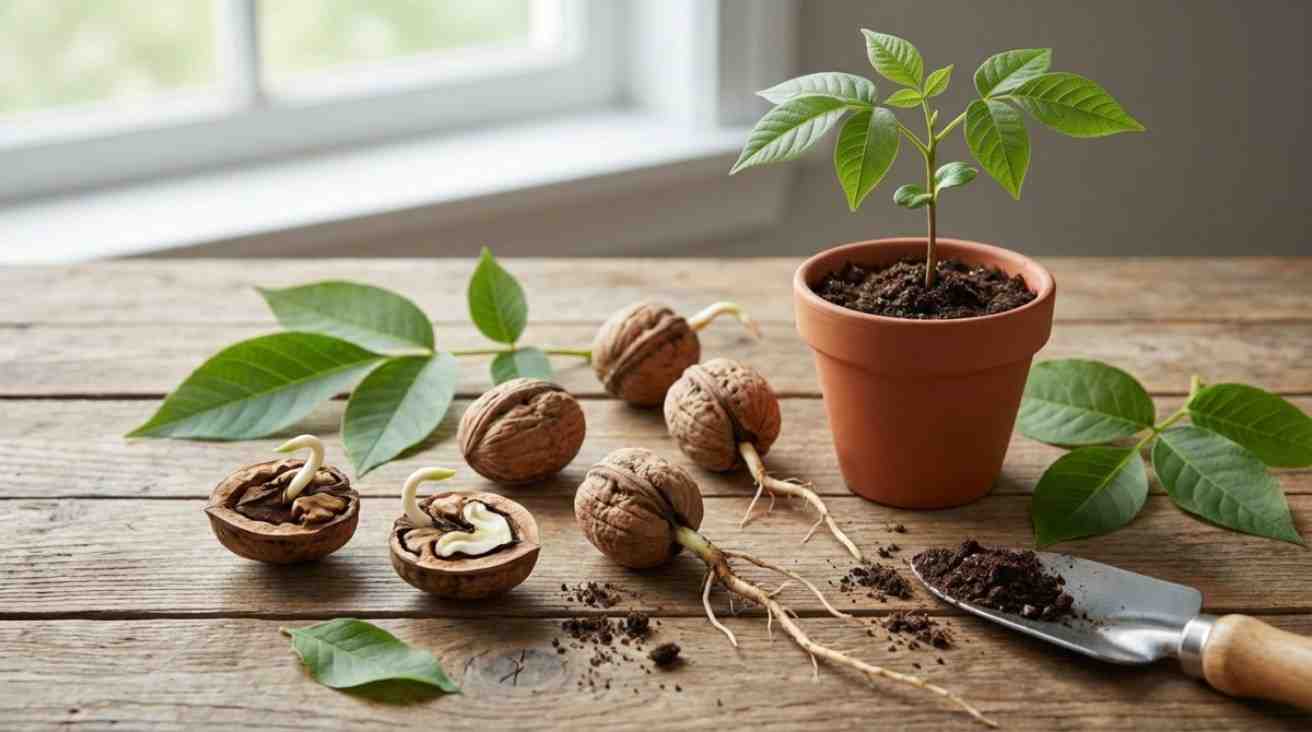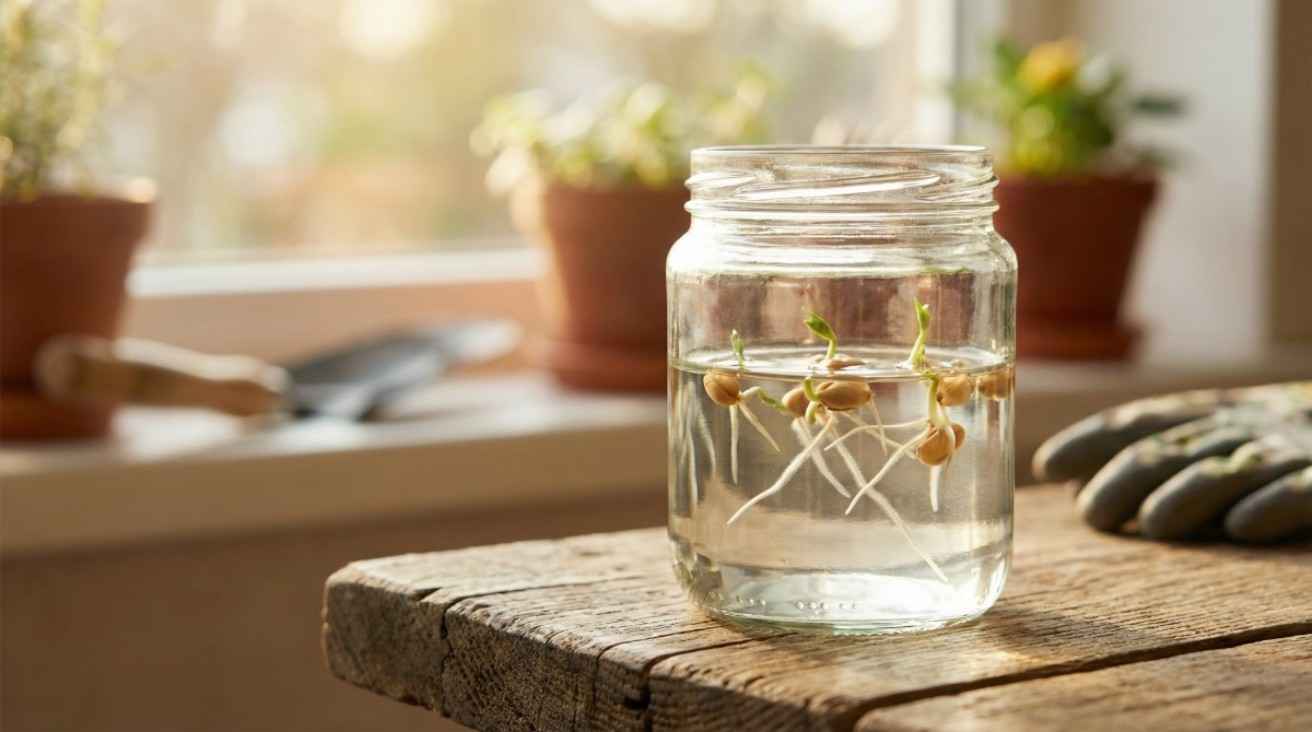
Seeds sprout faster with proper soaking and moisture control. This guide explains how to germinate seeds in water for strong roots and higher success rates.
How to Germinate Seeds in Water
Germinating seeds in water is an effective and quick method to start plants indoors. It ensures seeds sprout faster, reduces soil-borne diseases, and helps you observe the growth process closely. By following simple steps, anyone can enjoy successful germination in a few days. Many gardeners prefer this technique because how to germinate seeds in water allows faster sprouting and better control than soil methods. This method explains how to germinate seeds in water using simple tools while avoiding common sprouting problems.
Step-by-Step Guide to Germinating Seeds in Water
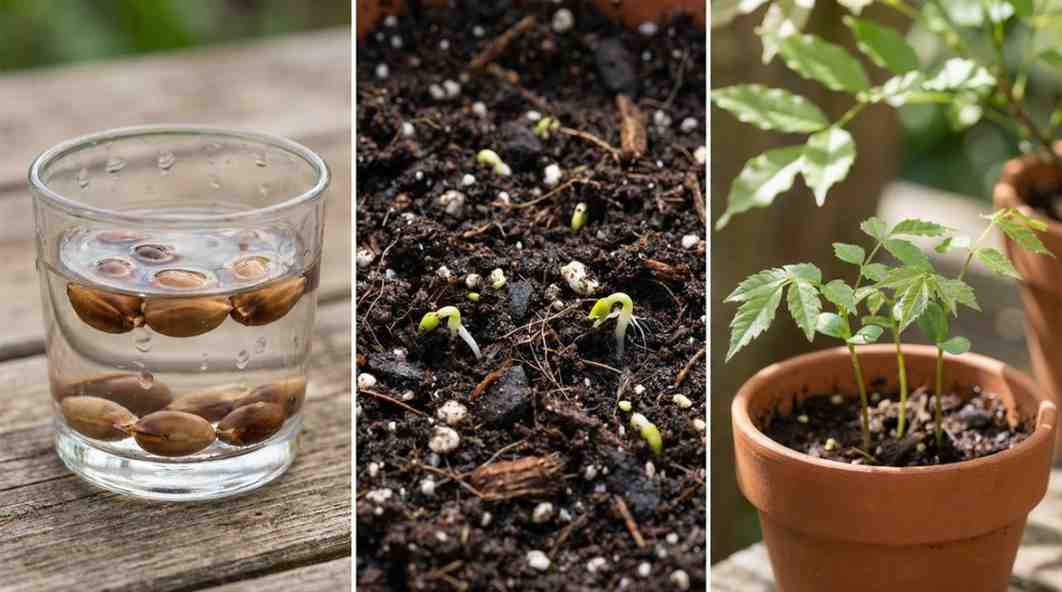
These steps simplify how to germinate seeds in water while minimizing the risk of mold or seed rot. To make germination easy, follow these steps. The table below summarizes the process clearly:
| Step | Action | Details & Tips |
|---|---|---|
| 1 | Select healthy seeds | Choose firm, undamaged seeds. Discard cracked or soft ones. |
| 2 | Prepare a container | Use a clean glass or jar. Ensure it is free from chemicals. |
| 3 | Add water | Fill the container with room temperature water. Avoid chlorinated water if possible. |
| 4 | Soak seeds | Soak for 12–24 hours depending on seed type. Do not over-soak. |
| 5 | Drain and rinse | After soaking, drain water and rinse seeds with fresh water. Prevent mold growth. |
| 6 | Provide warmth & light | Place the container in a warm, indirect light area. Temperature affects sprouting speed. |
| 7 | Monitor daily | Rinse seeds twice daily. Watch for root or sprout development. Remove any seeds that rot. |
Why Germinate Seeds in Water?
Germinating seeds in water offers several advantages and disadvantages:
Advantages
- Faster germination compared to soil.
- Easy to monitor growth and remove weak seeds.
- Reduces soil-borne diseases affecting seedlings.
- Ideal for beginners starting seeds indoors.
Disadvantages
- Limited oxygen exposure can affect some seeds.
- Requires daily attention to prevent mold.
- Not all seeds respond well; some need soil for rooting.
Ideal Conditions for Water Germination
| Factor | Optimal Range |
|---|---|
| Temperature | 20–25°C (68–77°F) for most seeds |
| Water quality | Room temperature, non-chlorinated |
| Light exposure | Indirect sunlight, avoid harsh rays |
| Container type | Clear glass or jar, clean and chemical-free |
Maintaining these conditions ensures consistent and healthy sprouting.
Seed Types Best for Water Germination
Some seeds respond better to water germination than others. When done correctly, how to germinate seeds in water supports uniform sprouting and stronger root development.
Recommended seeds:
- Bean seeds (kidney, lima, black)
- Pea seeds
- Lettuce and spinach seeds
- Cucumber and pumpkin seeds
Seeds to avoid:
- Corn and carrot seeds may not sprout well in water.
Signs Your Seeds Are Ready for Planting
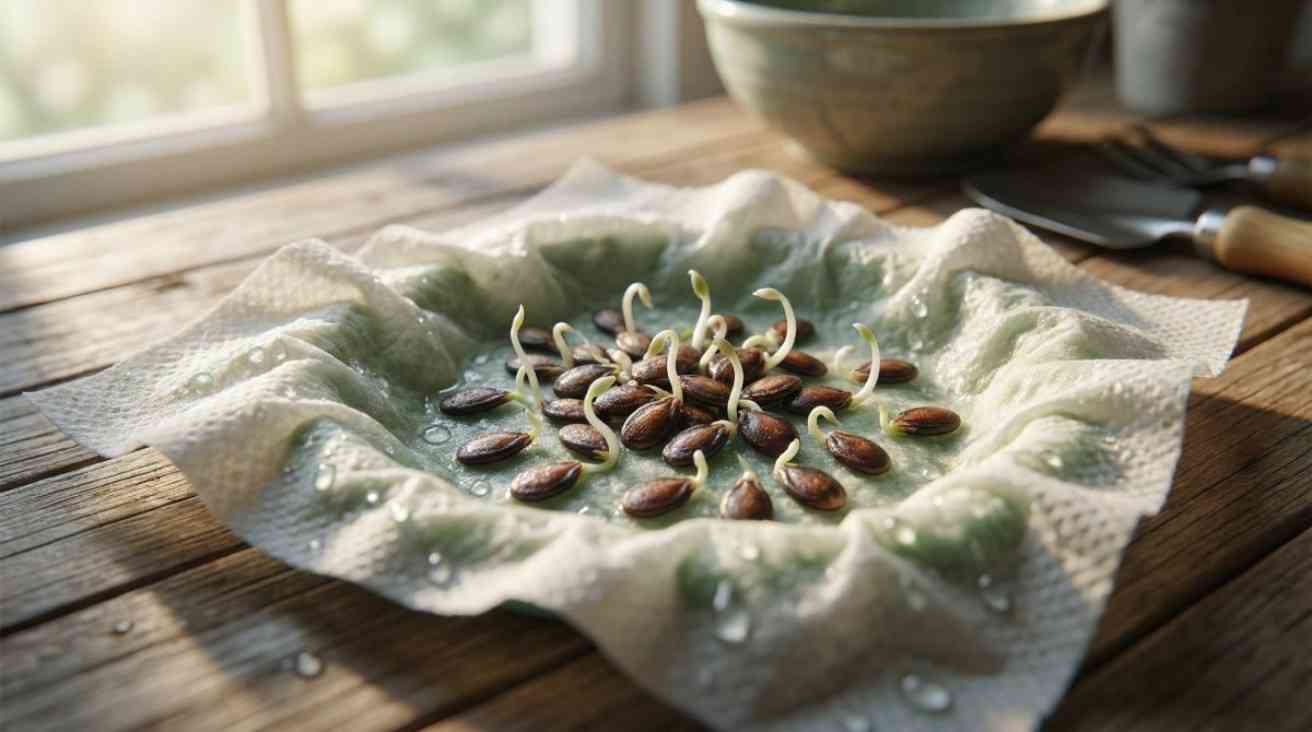
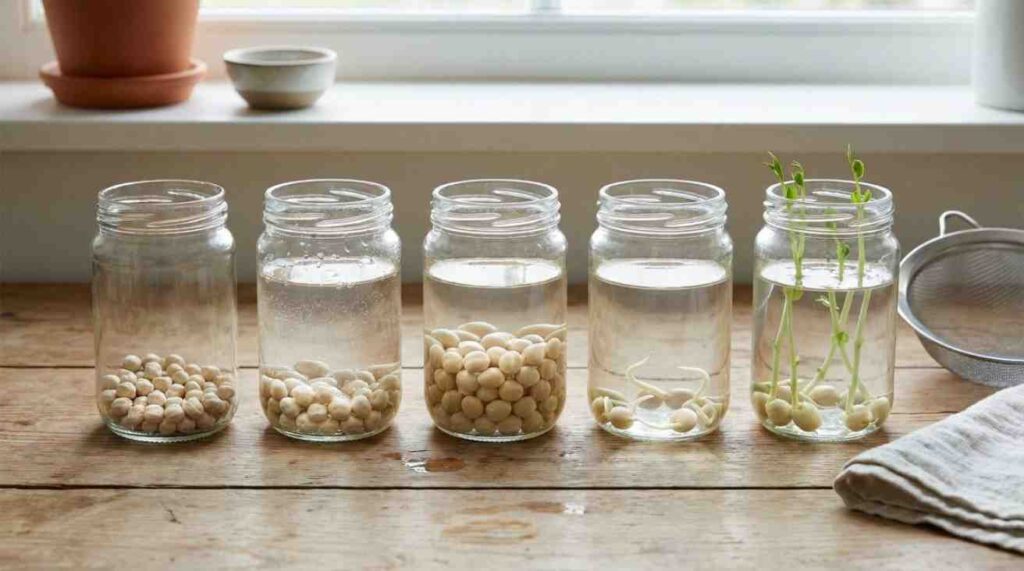
Once seeds sprout in water, they are ready for soil. Look for these visual indicators:
- Roots are 1–2 inches long
- Tiny green shoots appear
- Seed coat has fallen off
Common Mistakes to Avoid
| Mistake | Impact | How to Prevent |
|---|---|---|
| Over-soaking seeds | Seeds may rot | Limit soaking to 12–24 hours |
| Using dirty containers | Mold or bacterial growth | Sterilize jars or glasses |
| Lack of water change | Stagnant water causes rot | Rinse seeds twice daily |
| Too much sunlight | Burns delicate sprouts | Keep in indirect light |
How Long Does Germination Take in Water?
The time varies by seed type:
| Seed Type | Germination Time |
|---|---|
| Bean | 3–5 days |
| Pea | 4–6 days |
| Lettuce | 2–4 days |
| Cucumber | 3–7 days |
| Spinach | 5–7 days |
Tip: Most seeds show roots first, followed by shoots. Monitor daily to transfer to soil at the right time.
After Germination: Transferring to Soil
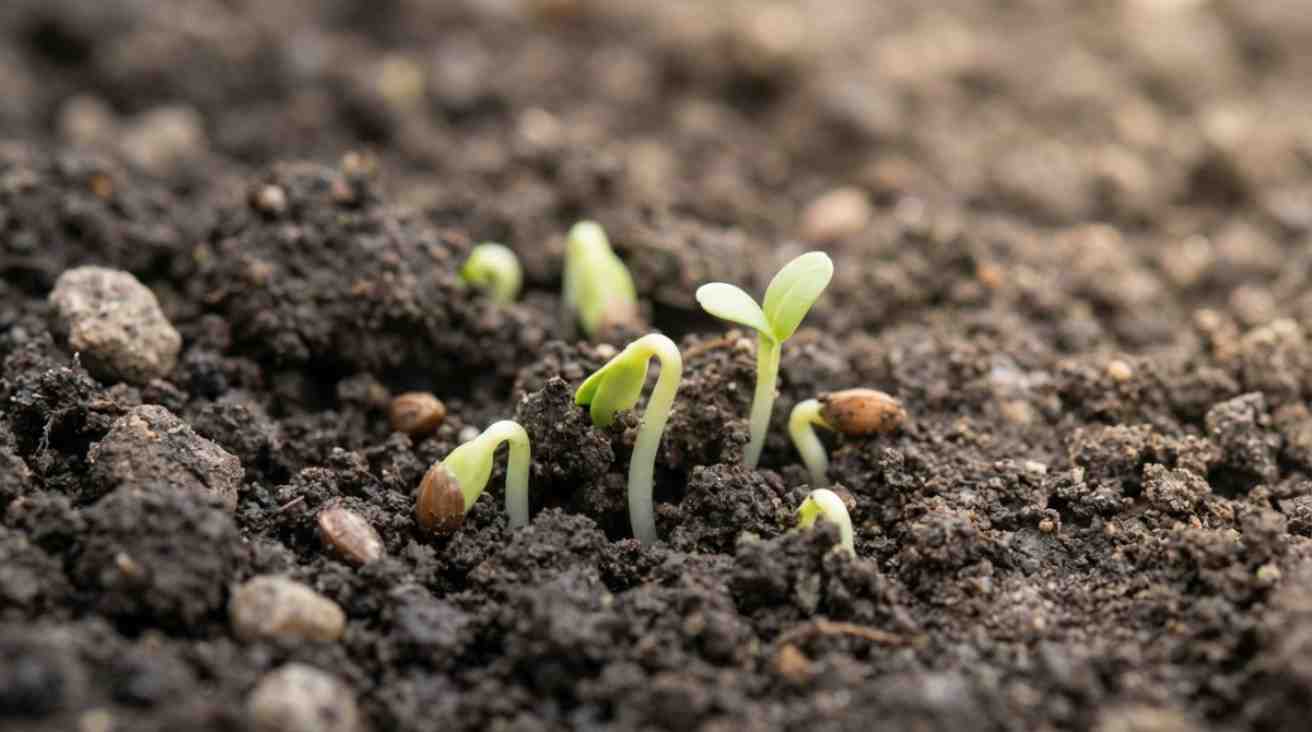
Compared to soil sowing, how to germinate seeds in water offers better observation of seed health and early growth. Steps to plant sprouts safely:
- Prepare seedling pots with light, well-draining soil.
- Make small holes for root insertion.
- Gently place sprouted seeds without damaging the root.
- Water lightly to settle the soil.
- Provide indirect light until seedlings establish.
This ensures a smooth transition from water to soil without shocking the plant.
Tips for Successful Water Germination
The success of how to germinate seeds in water depends on timing, moisture balance, and proper seed handling.
- Rinse seeds twice daily to prevent mold.
- Keep water temperature stable; sudden changes can slow growth.
- Use transparent containers to observe root and shoot development.
- Remove rotten seeds immediately to prevent contamination.
Benefits of Monitoring Seeds in Water
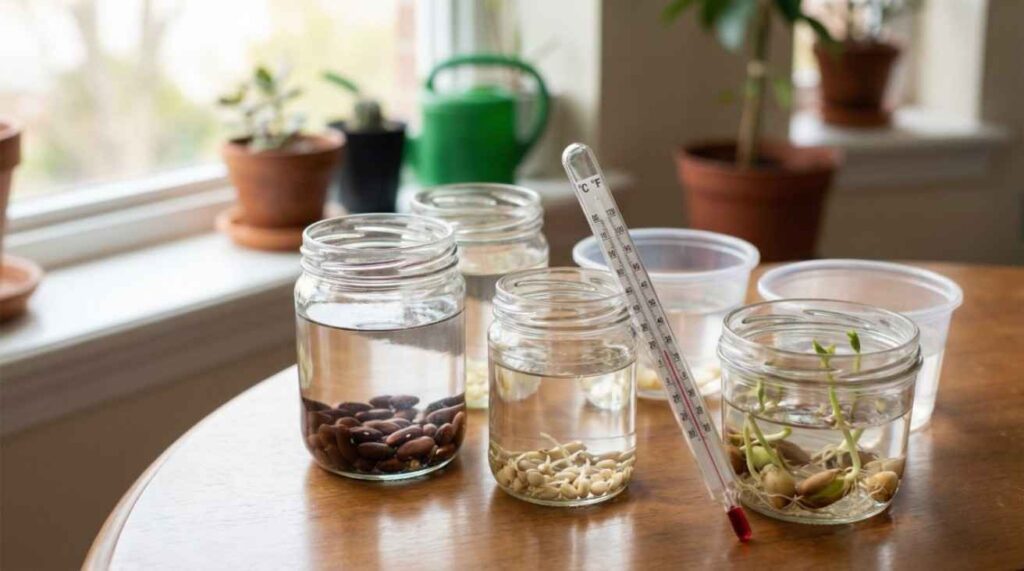
Monitoring seeds in water allows you to:
- Identify healthy seeds quickly
- Remove weak or rotten seeds
- Adjust conditions like water, light, and temperature
- Increase overall germination success rate
FAQs
1. Can all seeds germinate in water?
No, some seeds require soil or specific conditions to sprout properly.
2. How often should I rinse the seeds?
Twice daily is sufficient to prevent mold and ensure fresh oxygenated water.
3. Can I use tap water for germination?
Yes, but it’s better to let tap water sit for a few hours to reduce chlorine content.
4. How long before I can plant seeds into soil?
Usually, when roots are 1–2 inches long and shoots appear, seeds are ready.
5. What if my seeds start rotting?
Remove them immediately, clean the container, and adjust water or temperature.
6. Can I germinate multiple types of seeds together?
It’s possible, but different seeds have different germination times; monitor carefully.
7. Does water germination work for herbs?
Yes, many herbs like basil, mint, and cilantro germinate well in water.