Correct tomato seed saving improves germination, prevents mold, and preserves genetics. This guide explains how to save seeds from a tomato safely.
How to Save Seeds From a Tomato
Saving tomato seeds allows gardeners to preserve strong plant traits while reducing yearly seed costs.
Learning how to save seeds from a tomato correctly ensures higher germination and long-term viability.
Seeds collected improperly often fail due to moisture, mold, or weak parent plants. This guide explains the complete tomato seed saving process using clear steps and proven methods.
Tomato Seed Saving Overview
Tomato Seed Saving Stages and Purpose
| Stage | Purpose |
|---|---|
| Seed extraction | Separates seeds from fruit pulp |
| Fermentation | Removes gel coating |
| Drying | Prevents mold growth |
| Storage | Preserves viability |
Skipping any stage reduces success when learning how to save seeds from a tomato.
Understanding How to Save Seeds From a Tomato
Tomato seeds are living embryos protected by a gel layer.
This coating prevents premature sprouting but must be removed before drying.
- Tomatoes are self-pollinating
- Seed quality depends on parent plant health
- Open-pollinated varieties produce stable seeds
- Moisture exposure damages seed viability
Understanding these basics forms the foundation of how to save seeds from a tomato correctly.
Choosing the Right Tomatoes for Seed Saving
Seed success begins with proper fruit selection.
- Choose fully ripe tomatoes
- Avoid diseased or stressed plants
- Select true-to-type fruits
- Use heirloom or open-pollinated varieties
Seeds taken from immature or unhealthy tomatoes often fail to sprout.
Tools Needed to Save Tomato Seeds
| Tool | Purpose |
|---|---|
| Knife | Cutting tomatoes |
| Glass jar | Fermentation container |
| Water | Cleaning seeds |
| Paper towels | Drying surface |
| Labels | Variety identification |
Clean tools reduce contamination during tomato seed saving.
Step-by-Step: How to Save Seeds From a Tomato
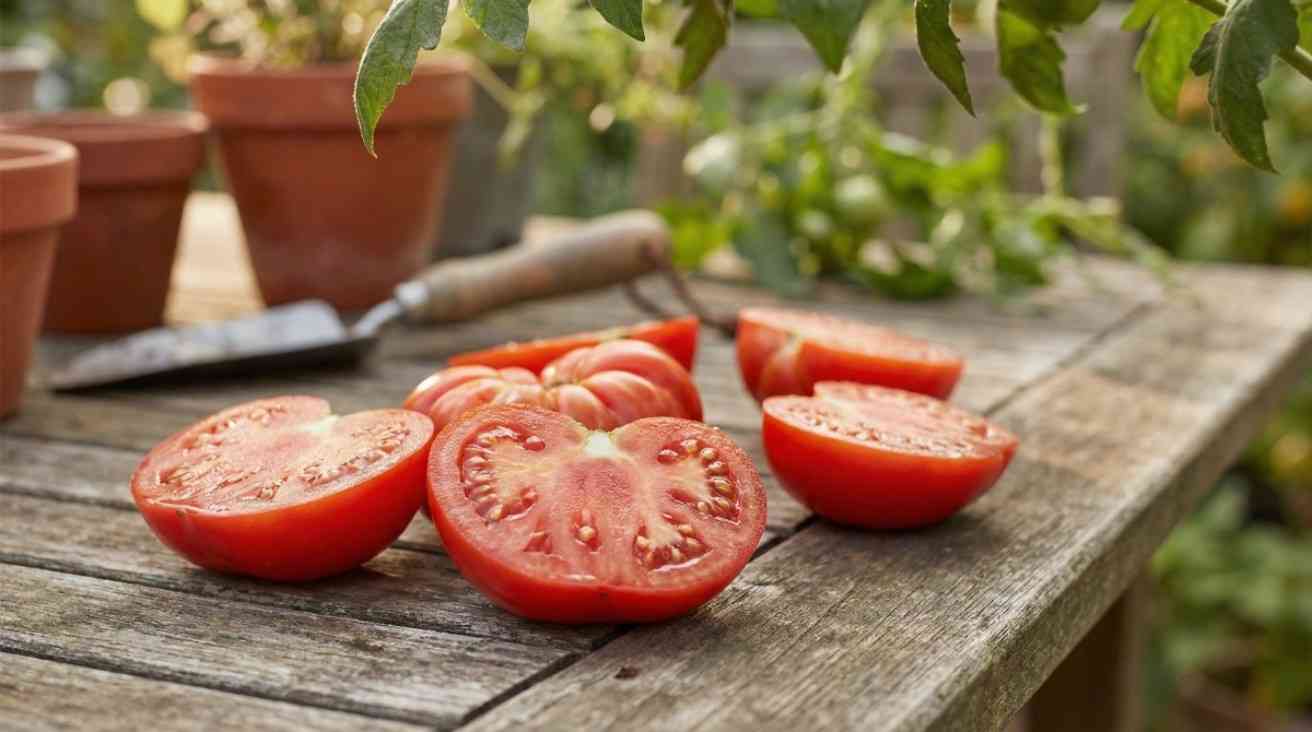
Step 1: Cut the Tomato
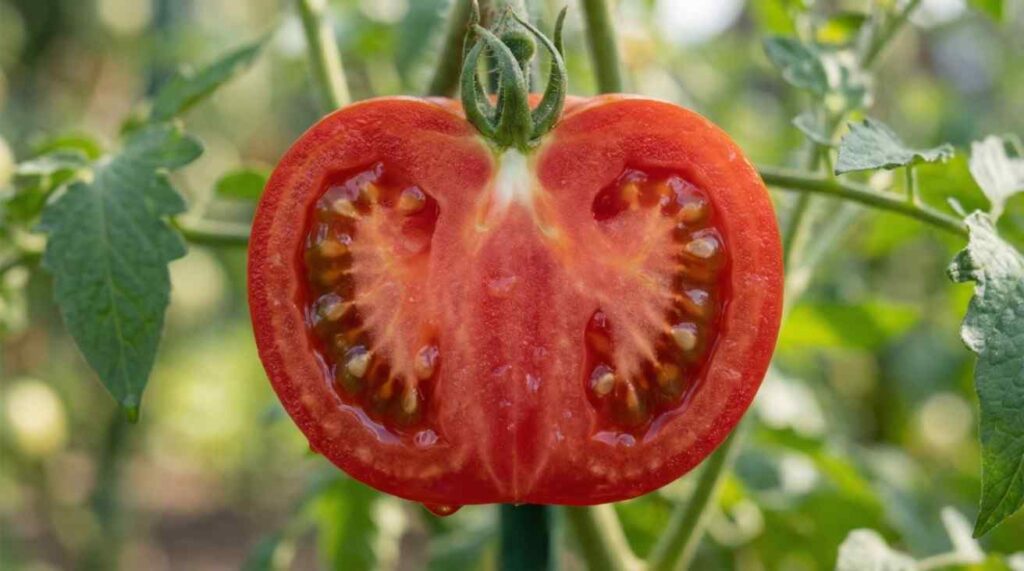
Slice the tomato horizontally to expose seed cavities.
Step 2: Scoop Out Seeds
Gently remove seeds and surrounding gel into a clean container.
Step 3: Start Fermentation
Add a small amount of water.
- Leave uncovered
- Store at room temperature
- Allow 2–3 days
Fermentation removes the gel coating essential for proper drying.
Fermentation Signs to Watch
| Sign | Meaning |
|---|---|
| Foam layer | Gel breakdown |
| Floating debris | Non-viable material |
| Sunken seeds | Healthy seeds |
This stage is critical when learning how to save seeds from a tomato.
Cleaning Tomato Seeds After Fermentation
- Add clean water
- Stir gently
- Pour off floating pulp
- Repeat until seeds are clean
Only dense seeds should remain at the bottom.
Drying Tomato Seeds Properly
Spread seeds in a single layer.
- Use paper towels or screens
- Avoid direct sunlight
- Ensure air circulation
- Dry for 7–10 days
Seeds must feel hard and snap under pressure.
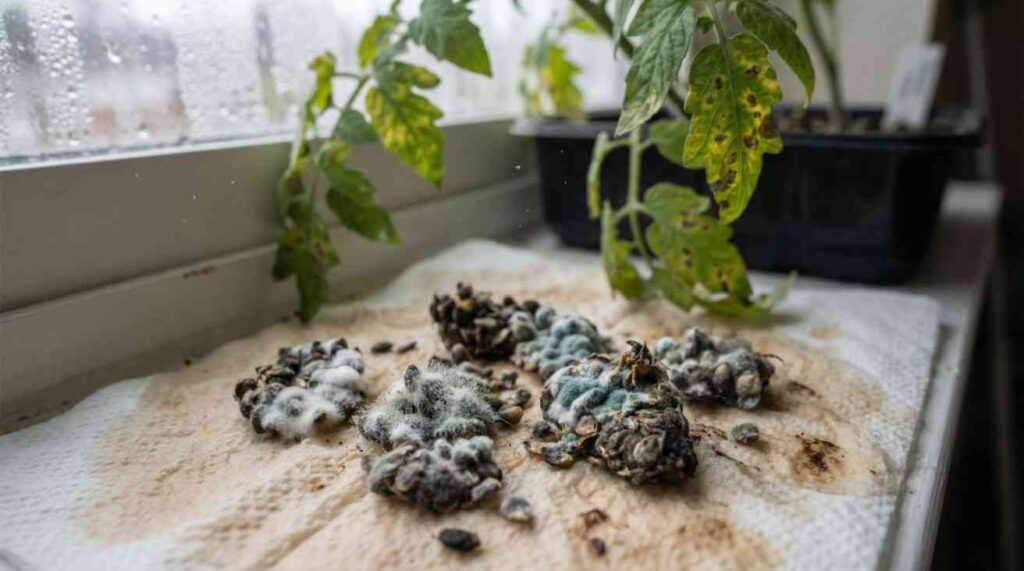
Common Drying Mistakes
| Mistake | Result |
|---|---|
| Stacked seeds | Mold growth |
| High humidity | Spoilage |
| Heat exposure | Reduced germination |
Improper drying is a major reason seed saving fails.
Testing Seed Dryness
- Seeds should not bend
- No surface moisture
- Even coloration
- No sticking together
Dry seeds ensure long-term storage success.
Storing Tomato Seeds Correctly
Best Storage Conditions
| Condition | Requirement |
|---|---|
| Temperature | Cool |
| Humidity | Low |
| Light | None |
| Airflow | Minimal |
Storage Containers
- Paper envelopes
- Glass jars
- Seed packets
Label each container with variety and date.
Shelf Life of Tomato Seeds
Properly stored seeds remain viable for 4–6 years.
Factors affecting lifespan:
- Moisture exposure
- Storage temperature
- Initial seed quality
Correct storage completes the process of how to save seeds from a tomato.
Preventing Cross-Pollination
Although tomatoes self-pollinate, cross-pollination can occur.
- Space varieties apart
- Use physical barriers
- Avoid saving seeds from hybrid plants
This maintains genetic consistency.
Common Problems and Solutions
Seed Saving Issues and Fixes
| Problem | Solution |
|---|---|
| Mold on seeds | Improve drying |
| Low germination | Check fermentation |
| Seed rot | Reduce moisture |
| Mixed traits | Isolate plants |
When Tomato Seeds Fail
Seed failure usually occurs due to:
- Short fermentation
- Excess humidity
- Poor parent plant selection
- Improper storage
Each issue directly impacts seed viability.
Why Saving Tomato Seeds Is Worth It
- Preserves trusted varieties
- Improves plant performance
- Reduces yearly seed costs
- Strengthens gardening skills
Understanding how to save seeds from a tomato provides long-term benefits.
FAQs
1. Can seeds be saved from any tomato?
Seeds should be saved from open-pollinated or heirloom tomatoes for reliable results.
2. How long should tomato seeds ferment?
Fermentation typically takes two to three days at room temperature.
3. Can tomato seeds dry in sunlight?
Direct sunlight damages seeds and reduces germination potential.
4. How do I know seeds are fully dry?
Dry seeds feel hard and do not bend or stick together.
5. How long do saved tomato seeds last?
When stored correctly, tomato seeds remain viable for several years.